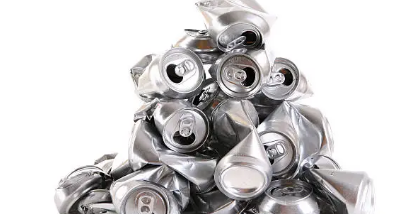
In Adelaide, industrial-scale can recycling is no longer just an optional sustainability initiative—it is increasingly a compliance-driven and cost-recovery strategy that directly impacts operational efficiency. Can recycling has become a critical focus for manufacturers, food processors, warehouses, and hospitality operators looking to reduce waste disposal costs while improving environmental performance.
From aluminium beverage cans generated in hospitality venues to steel food cans from large-scale production facilities, businesses across South Australia are recognising that proper segregation and recycling of metal waste can significantly reduce landfill contributions and generate measurable financial returns. This article explores how industrial can recycling Adelaide systems work, what businesses need to know, and how to optimise recycling processes for maximum value.
Understanding Industrial Can Recycling in Adelaide
Industrial can recycling refers to the structured collection, sorting, and processing of large volumes of aluminium and steel cans produced by commercial and industrial operations. Unlike household recycling, industrial systems are designed for high throughput, contamination control, and logistical efficiency.
In Adelaide’s industrial zones—such as Wingfield, Gepps Cross, and Edinburgh Parks—many businesses generate consistent streams of recyclable cans. These materials are typically compressed into bales or collected in bulk bins before being transported to metal recovery facilities.
Why Industrial Can Recycling Matters for Adelaide Businesses
The push for improved resource recovery in South Australia has made recycling a strategic operational priority. Businesses that implement structured can recycling systems benefit in several ways:
● Lower general waste disposal costs
● Revenue from scrap aluminium and steel recovery
● Improved ESG (Environmental, Social, and Governance) reporting
● Reduced landfill levies
● Stronger compliance with state waste regulations
For industries such as hospitality, food manufacturing, and logistics, waste can represent a surprisingly large portion of total waste output. By adopting formal can recycling Adelaide systems, businesses can turn what was once a cost centre into a recoverable asset stream.
How the Industrial Can Recycling Process Works
The industrial recycling process in Adelaide typically follows a structured flow designed for efficiency and material purity.
First, cans are separated at the source. Businesses install dedicated bins for aluminium and steel cans to minimise contamination. In larger facilities, balers or compactors are used to reduce volume and improve transport efficiency.
Next, the collected materials are transported to a processing facility where they are sorted, shredded, and cleaned. Aluminium is then melted and reformed into raw material for manufacturing new products, while steel undergoes magnetic separation before being reprocessed.
In the context of can recycling Adelaide, efficiency at each stage is crucial. Even small improvements in sorting accuracy or contamination reduction can significantly increase the resale value of recovered metals.
Key Industries Driving Can Recycling Demand in Adelaide
Several sectors in Adelaide generate substantial volumes of recyclable cans:
1. Food and Beverage Manufacturing
Large-scale production lines produce significant volumes of steel and aluminium packaging waste.
2. Hospitality and Tourism
Hotels, restaurants, and event venues generate high quantities of beverage cans.
3. Warehousing and Distribution
Packaging waste from imported goods often includes large volumes of metal containers.
4. Industrial Processing Plants
Manufacturing facilities frequently use canned chemicals, lubricants, and consumables.
Each of these sectors relies on structured can recycling Adelaide services to maintain operational cleanliness and sustainability compliance.
Environmental Benefits of Can Recycling in South Australia
The environmental impact of metal recycling is substantial. Aluminium, in particular, is one of the most energy-efficient materials to recycle, requiring up to 95% less energy than producing new aluminium from raw ore.
By improving participation in can recycling Adelaide programs, businesses in Adelaide contribute directly to reduced greenhouse gas emissions, lower resource extraction demand, and reduced landfill pressure.
Additionally, South Australia’s strong environmental policies encourage circular-economy practices, in which waste materials are continuously reused rather than discarded.
Cost Savings and Revenue Opportunities
One of the most overlooked advantages of industrial can recycling is direct financial return. Depending on market conditions, aluminium scrap can generate meaningful revenue when collected at scale.
Businesses participating in structured can recycling Adelaide programs often experience:
● Reduced general waste bin sizes and pickup frequency
● Scrap rebates from metal recyclers
● Improved operational cost forecasting
● Incentives for high-volume recycling contracts
For high-output industries, these savings can compound significantly over time, improving overall profit margins.
Best Practices for Effective Can Recycling Programs
To maximise efficiency, Adelaide businesses should implement several best practices:
● Separate aluminium and steel at the source
● Use clearly labelled, dedicated recycling stations
● Train staff on contamination prevention
● Partner with licensed recycling contractors
● Track waste volumes and recycling performance
Consistency is critical. Even minor contamination—such as food residue or mixed plastics—can reduce the value of recycled material in can recycling Adelaide systems.
Choosing the Right Recycling Partner in Adelaide
Selecting a reliable industrial recycling provider is essential for long-term success. Businesses should evaluate providers based on:
● Collection frequency and logistics capability
● Equipment provision (bins, compactors, balers)
● Reporting and sustainability tracking tools
● Compliance with South Australian waste regulations
● Transparency in pricing and rebate structures
A strong recycling partner ensures that recycling operations remain efficient, compliant, and financially beneficial.
Conclusion
Industrial can recycling is no longer just a waste management function—it is a strategic business process that improves sustainability performance while delivering measurable financial returns. In Adelaide, where environmental responsibility and resource efficiency are increasingly prioritised, structured recycling systems are becoming essential for competitive operations.
By implementing well-managed can recycling Adelaide programs, businesses across manufacturing, hospitality, and logistics can reduce costs, improve ESG outcomes, and contribute meaningfully to South Australia’s circular economy goals.