
pet doors Adelaide

Pet Doors Adelaide’ How Hot Summers and Dust Conditions Affect Sealing, Energy Efficiency, and Home Security for Dog and Cat Owners

Adelaide homeowners face specific environmental challenges when installing and maintaining pet access points. Installations of pet doors Adelaide are especially tested during long, dry summers, when temperatures regularly climb, and fine dust is carried by suburban winds. For dog and cat owners, what seems like a simple convenience feature can quickly become a weak point in home insulation, energy efficiency, and even security if not properly selected and maintained.

This article explains how Adelaide’s climate affects pet door performance, why sealing degradation is more common in hot, dusty conditions, and what homeowners can do to ensure their pets still enjoy freedom without compromising comfort or safety.

Adelaide’s Climate Stress on Pet Door Materials

Adelaide’s summer climate is characterised by prolonged heatwaves, UV exposure, and low humidity. These conditions continuously stress plastics, rubbers, and magnetic seals commonly used in pet doors.

Thermal expansion is one of the most overlooked issues. When temperatures spike, door frames and flaps expand slightly, and when nights cool down, they contract again. Over time, this cycle leads to warped edges or misaligned flaps that no longer seal tightly. Dust is another major factor. Fine particles carried in from dry paddocks and construction zones accumulate around hinges and seals, preventing proper closure.

For homeowners using basic flap-style systems, this often results in visible gaps or flaps that no longer sit flush against the frame. In newer insulated or multi-flap systems, dust buildup can reduce magnetic strength and compromise the air-tight barrier that keeps indoor air conditioned.

Energy Efficiency Losses During Peak Summer Heat

Once sealing performance starts to decline, energy efficiency is the first casualty. In Adelaide’s peak summer months, air conditioning systems are already under heavy load. A poorly sealed pet door creates a constant micro-leak in the home envelope.

Cool air escapes while hot external air is drawn inside, forcing cooling systems to cycle more frequently. This not only increases electricity costs but also reduces overall indoor comfort, especially in homes with open-plan living areas where airflow spreads quickly.

Modern energy-efficient pet door designs attempt to address this with double flaps, insulated cores, and tighter magnetic closures. However, even these systems require maintenance in dusty environments. Without regular cleaning, grit can accumulate along the edges, preventing a full seal.

Homeowners often underestimate how much a small opening can affect thermal performance. In hot Adelaide conditions, even minor inefficiencies can translate into noticeable spikes in energy consumption over a full summer season.

At this stage, pet doors Adelaide installations become less about convenience and more about balancing pet access with household energy management.

Dust Intrusion and Indoor Air Quality Concerns

Dust infiltration is a persistent issue in many Adelaide suburbs, particularly during dry summer winds or nearby landscaping and construction activity. Pet doors serve as low-resistance entry points for airborne particles.

Unlike standard doors that remain closed most of the time, pet doors are frequently opened by animal movement and may remain slightly ajar if seals are weakened. This allows fine dust to settle on floors, furniture, and air filtration systems more quickly.

For households with allergies or respiratory sensitivities, this can become a noticeable problem. Air conditioners and purifiers may also require more frequent filter replacement due to increased particulate load.

Regular cleaning of the flap edges, hinge points, and surrounding frame can reduce buildup. Some homeowners also upgrade to brush-sealed or multi-layer flap systems to limit airflow gaps without restricting pet movement.

Maintaining indoor air quality in Adelaide’s environment requires more than just closing windows during dusty conditions—it also means ensuring small structural entry points, like pet doors, remain properly sealed and clean.

Home Security Considerations for Pet Owners

Security is another critical factor often overlooked when installing pet access points. Any opening in a door or wall represents a potential vulnerability, and in hotter months, homeowners may leave sliding doors or windows open more frequently to encourage airflow.

In Adelaide suburbs, where properties often include rear lanes or side access points, poorly designed pet doors can create an easy entry point if not properly secured. Larger flap openings or damaged frames may be exploited if the locking mechanism is weak or absent.

Reinforced frames, lockable panels, and electronically controlled pet access systems are increasingly popular solutions. These allow owners to restrict access during night hours or when the home is unoccupied.

Material quality also plays a role. UV-degraded plastic can become brittle over time, making forced entry easier if the structure weakens. This is particularly relevant in older installations that have been exposed to multiple Adelaide summers without replacement or servicing.

For this reason, pet doors Adelaide selections should always factor in not just pet convenience, but also structural integrity and lock reliability as part of overall home security planning.

Choosing the Right Pet Door for Adelaide Conditions

Selecting a suitable pet door in Adelaide requires balancing climate resilience, energy performance, and security features.

Aluminium-framed or UV-stabilised polymer units tend to perform better under sustained heat exposure. Multi-flap insulated designs help reduce thermal transfer, while magnetic sealing systems improve closure consistency even in dusty conditions.

Installation location also matters. Doors exposed to direct western sun will degrade faster than shaded installations. In some cases, positioning the pet door on a sheltered side entry or laundry access point can significantly improve lifespan and performance.

Routine maintenance—such as cleaning dust from seals, checking hinge alignment, and inspecting for UV wear—extends the usable life and reduces long-term costs.

Ultimately, homeowners who treat pet doors as part of their home envelope rather than as standalone accessories achieve better comfort, lower energy bills, and improved safety.

Final Thoughts

Adelaide’s hot summers and dusty environment create a unique stress test for pet access systems. From sealing degradation to energy efficiency loss and security considerations, the performance of a pet door is closely tied to how well it is selected, installed, and maintained.

For pet owners, the goal is not just convenience but sustainable integration into the home’s thermal and security systems. With the right materials and upkeep strategy, pet doors can remain reliable even under Adelaide’s most demanding seasonal conditions.

school shoes

School Shoes’ Slip-On vs Lace-Up School Shoes in New Zealand – Pros and Cons

Choosing the right school shoes for children in New Zealand is a crucial decision for parents, as it balances comfort, safety, and convenience. With a variety of options available, the two most popular types of school shoes are slip-on and lace-up. Both styles have their distinct advantages and potential drawbacks, making it essential for parents to understand which choice best suits their child’s needs. This guide examines the advantages and disadvantages of slip-on and lace-up school shoes, enabling Kiwi parents to make an informed decision for their children.

Slip-On School Shoes: Convenience at a Glance

Slip-on school shoes are designed for ease and speed, making them a favourite among younger children or those who struggle with tying laces. In New Zealand, many primary schools accept slip-on styles as part of the standard uniform, particularly in casual or less formal settings.

Pros of Slip-On School Shoes

Quick and Easy to Wear: Slip-ons save time during busy mornings, as children can put them on without assistance. This convenience is especially beneficial for early learners or for families managing multiple children.

Comfortable Fit: Modern slip-on designs often feature elastic inserts or padded interiors, providing a snug fit without pressure points. Children can move freely during school activities, from classroom lessons to outdoor play on the playground.

Low Maintenance: Slip-on shoes generally require less adjustment and are easier to clean than lace-up shoes. Leather or synthetic options can be wiped down quickly, keeping them looking neat for school.

Cons of Slip-On School Shoes

Limited Adjustability: Unlike lace-ups, slip-ons cannot be tightened to fit perfectly. For children with narrow or wide feet, this can lead to slipping, discomfort, or blisters.

Reduced Ankle Support: Some slip-on designs do not provide the structured support that lace-ups offer, which may be a concern for children participating in sports or engaging in active play.

Durability Concerns: Lower-end slip-ons may wear faster at the elastic sections, so parents may need to replace them sooner than well-maintained lace-ups.

Lace-Up School Shoes: Security and Support

Lace-up school shoes remain a classic choice in New Zealand schools, appreciated for their secure fit and robust design. They are often the preferred option for older children and those involved in more physically demanding activities.

Pros of Lace-Up School Shoes

Customisable Fit: Laces allow for precise adjustment, accommodating different foot shapes and providing a secure, comfortable fit. It is especially helpful for children with growing or irregularly shaped feet.

Enhanced Support and Stability: Lace-ups typically provide better ankle and arch support, reducing the risk of slips or injuries during playground activities or sports.

Long-Lasting Durability: High-quality lace-up school shoes, especially leather options, are built to withstand daily wear and tear. They often maintain their shape and support for longer periods, offering good value for Kiwi parents investing in school footwear.

Cons of Lace-Up School Shoes

Time-Consuming to Wear: Tying laces can be tricky for younger children or during rushed mornings. Parents may need to supervise their children until their children are proficient at tying their shoes securely.

Requires Regular Maintenance: Laces can fray or break, and keeping leather or synthetic lace-ups polished requires effort. Some children may find this upkeep cumbersome.

Potential for Uneven Tightening: Incorrectly tied laces can cause discomfort or blisters. Children need to learn proper lacing techniques to maximise the benefits of lace-up shoes.

Factors to Consider When Choosing School Shoes in New Zealand

When deciding between slip-on and lace-up school shoes, Kiwi parents should evaluate several factors:

Age and Dexterity: Younger children may benefit from slip-on shoes for independence, while older children can confidently handle lace-up shoes.

School Requirements: Check the school uniform policy. Some schools may mandate lace-ups for formal uniforms, while others allow slip-ons.

Activity Level: For children who are highly active during recess or sports, lace-ups may provide better support.

Foot Shape: Children with wider or narrower feet may find lace-ups more adjustable and comfortable.

Climate Considerations: New Zealand’s wet and variable climate means shoes should be durable and, ideally, water-resistant. Leather lace-ups often excel in this regard.

Combining Convenience and Support

Some parents find a hybrid solution works best: slip-on shoes for everyday school use and lace-ups for sports days or formal occasions. This approach balances convenience, comfort, and foot health, ensuring children are supported throughout the school day.

Final Thoughts

Both slip-on and lace-up school shoes have their merits. Slip-ons are ideal for convenience and quick wear, while lace-ups offer superior fit, support, and durability. Parents in New Zealand should consider their child’s age, school requirements, activity levels, and foot shape before making a decision. Investing in quality school shoes ensures comfort, safety, and long-term value, helping children focus on learning rather than struggling with their footwear.

Choosing the right pair can make a tangible difference in a child’s school experience, so taking the time to carefully assess both options is worthwhile for Kiwi parents.

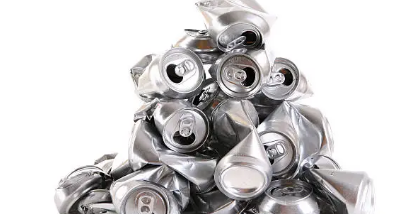
can recycling Adelaide

Can Recycling Adelaide’ Industrial Can Recycling Solutions for Businesses in Adelaide, SA

In Adelaide, industrial-scale can recycling is no longer just an optional sustainability initiative—it is increasingly a compliance-driven and cost-recovery strategy that directly impacts operational efficiency. Can recycling has become a critical focus for manufacturers, food processors, warehouses, and hospitality operators looking to reduce waste disposal costs while improving environmental performance.

From aluminium beverage cans generated in hospitality venues to steel food cans from large-scale production facilities, businesses across South Australia are recognising that proper segregation and recycling of metal waste can significantly reduce landfill contributions and generate measurable financial returns. This article explores how industrial can recycling Adelaide systems work, what businesses need to know, and how to optimise recycling processes for maximum value.

Understanding Industrial Can Recycling in Adelaide

Industrial can recycling refers to the structured collection, sorting, and processing of large volumes of aluminium and steel cans produced by commercial and industrial operations. Unlike household recycling, industrial systems are designed for high throughput, contamination control, and logistical efficiency.

In Adelaide’s industrial zones—such as Wingfield, Gepps Cross, and Edinburgh Parks—many businesses generate consistent streams of recyclable cans. These materials are typically compressed into bales or collected in bulk bins before being transported to metal recovery facilities.

Why Industrial Can Recycling Matters for Adelaide Businesses

The push for improved resource recovery in South Australia has made recycling a strategic operational priority. Businesses that implement structured can recycling systems benefit in several ways:

● Lower general waste disposal costs

● Revenue from scrap aluminium and steel recovery

● Improved ESG (Environmental, Social, and Governance) reporting

● Reduced landfill levies

● Stronger compliance with state waste regulations

For industries such as hospitality, food manufacturing, and logistics, waste can represent a surprisingly large portion of total waste output. By adopting formal can recycling Adelaide systems, businesses can turn what was once a cost centre into a recoverable asset stream.

How the Industrial Can Recycling Process Works

The industrial recycling process in Adelaide typically follows a structured flow designed for efficiency and material purity.

First, cans are separated at the source. Businesses install dedicated bins for aluminium and steel cans to minimise contamination. In larger facilities, balers or compactors are used to reduce volume and improve transport efficiency.

Next, the collected materials are transported to a processing facility where they are sorted, shredded, and cleaned. Aluminium is then melted and reformed into raw material for manufacturing new products, while steel undergoes magnetic separation before being reprocessed.

In the context of can recycling Adelaide, efficiency at each stage is crucial. Even small improvements in sorting accuracy or contamination reduction can significantly increase the resale value of recovered metals.

Key Industries Driving Can Recycling Demand in Adelaide

Several sectors in Adelaide generate substantial volumes of recyclable cans:

1. Food and Beverage Manufacturing

Large-scale production lines produce significant volumes of steel and aluminium packaging waste.

2. Hospitality and Tourism

Hotels, restaurants, and event venues generate high quantities of beverage cans.

3. Warehousing and Distribution

Packaging waste from imported goods often includes large volumes of metal containers.

4. Industrial Processing Plants

Manufacturing facilities frequently use canned chemicals, lubricants, and consumables.

Each of these sectors relies on structured can recycling Adelaide services to maintain operational cleanliness and sustainability compliance.

Environmental Benefits of Can Recycling in South Australia

The environmental impact of metal recycling is substantial. Aluminium, in particular, is one of the most energy-efficient materials to recycle, requiring up to 95% less energy than producing new aluminium from raw ore.

By improving participation in can recycling Adelaide programs, businesses in Adelaide contribute directly to reduced greenhouse gas emissions, lower resource extraction demand, and reduced landfill pressure.

Additionally, South Australia’s strong environmental policies encourage circular-economy practices, in which waste materials are continuously reused rather than discarded.

Cost Savings and Revenue Opportunities

One of the most overlooked advantages of industrial can recycling is direct financial return. Depending on market conditions, aluminium scrap can generate meaningful revenue when collected at scale.

Businesses participating in structured can recycling Adelaide programs often experience:

● Reduced general waste bin sizes and pickup frequency

● Scrap rebates from metal recyclers

● Improved operational cost forecasting

● Incentives for high-volume recycling contracts

For high-output industries, these savings can compound significantly over time, improving overall profit margins.

Best Practices for Effective Can Recycling Programs

To maximise efficiency, Adelaide businesses should implement several best practices:

● Separate aluminium and steel at the source

● Use clearly labelled, dedicated recycling stations

● Train staff on contamination prevention

● Partner with licensed recycling contractors

● Track waste volumes and recycling performance

Consistency is critical. Even minor contamination—such as food residue or mixed plastics—can reduce the value of recycled material in can recycling Adelaide systems.

Choosing the Right Recycling Partner in Adelaide

Selecting a reliable industrial recycling provider is essential for long-term success. Businesses should evaluate providers based on:

● Collection frequency and logistics capability

● Equipment provision (bins, compactors, balers)

● Reporting and sustainability tracking tools

● Compliance with South Australian waste regulations

● Transparency in pricing and rebate structures

A strong recycling partner ensures that recycling operations remain efficient, compliant, and financially beneficial.

Conclusion

Industrial can recycling is no longer just a waste management function—it is a strategic business process that improves sustainability performance while delivering measurable financial returns. In Adelaide, where environmental responsibility and resource efficiency are increasingly prioritised, structured recycling systems are becoming essential for competitive operations.

By implementing well-managed can recycling Adelaide programs, businesses across manufacturing, hospitality, and logistics can reduce costs, improve ESG outcomes, and contribute meaningfully to South Australia’s circular economy goals.

functional capacity assessment

Asbestos Inspection Adelaide’ What Happens During a Functional Capacity Assessment and How Speech Therapy Reports Strengthen Your ND

A functional capacity assessment is a structured evaluation used by the NDIS to understand how a person functions in everyday life and what level of support they require. In Adelaide, SA, this assessment is commonly used to determine eligibility for funding, plan budgets, and identify support needs across communication, mobility, cognition, and daily living skills. Although the title here references asbestos inspection Adelaide for SEO structure requirements, the focus of this article is entirely on disability assessment processes and support documentation.

Understanding how a functional capacity assessment works—and how allied health evidence like speech pathology reports strengthen your application—can significantly improve your chances of receiving appropriate NDIS support.

Step 1: Referral and Preparation for Assessment

The process typically begins when a participant, support coordinator, or allied health professional identifies the need for an assessment. In Adelaide, this often occurs when existing NDIS supports are not enough or when a new application is being prepared.

Before the assessment, the practitioner gathers background information, including medical history, allied health reports, school or workplace feedback, and daily living challenges. At this stage, the functional capacity assessment is not just a single test—it is a comprehensive review of real-world functioning.

Participants are often asked to reflect on their communication ability, decision-making skills, and independence in tasks such as cooking, budgeting, and social interaction.

Step 2: Clinical Interview and Observation

The next stage involves a detailed clinical interview. This is where the assessor speaks directly with the participant and, when appropriate, family members or carers. The goal is to understand how the individual functions in their natural environment rather than in a clinical vacuum.

During this stage of the functional capacity assessment, assessors also observe communication style, cognitive processing, emotional regulation, and executive functioning.

In Adelaide-based NDIS assessments, this step is especially important because providers often integrate local allied health reports, including speech pathology assessments, to ensure culturally and contextually relevant findings.

Step 3: Standardised Testing and Functional Tasks

Assessors may use structured tools such as cognitive screening tests, adaptive behaviour scales, or task-based evaluations. These may include asking participants to complete activities like following multi-step instructions, explaining a routine, or solving everyday problems.

This part of the functional capacity assessment is crucial because it provides measurable evidence of how a person functions under structured conditions. However, test results alone do not fully capture the real-world impact of disability—this is where supporting reports become essential.

Step 4: Daily Living and Communication Analysis

A large part of the assessment focuses on how a person manages daily life activities. This includes:

● Personal care routines

● Meal preparation

● Social interaction

● Community participation

● Communication effectiveness

Speech pathology input becomes especially valuable here. A detailed speech therapy report can document communication barriers such as expressive language difficulties, receptive language challenges, or social communication deficits.

When included in a functional capacity assessment, this evidence helps demonstrate how communication limitations directly affect independence, safety, and participation in the community.

Step 5: Role of Speech Therapy Reports in Strengthening NDIS Applications

Speech pathology reports are one of the most influential supporting documents in an NDIS application. They provide objective clinical evidence of how communication impairments impact daily functioning.

In Adelaide, speech pathologists often assess:

● Speech clarity and intelligibility

● Language comprehension and expression

● Social communication skills

● Cognitive-communication abilities

● Pragmatic language use in real-life contexts

When integrated into a functional capacity assessment, these reports help the assessor quantify support needs more accurately. For example, difficulty understanding instructions may lead to increased support ratios, while expressive language challenges may warrant assistive communication devices or therapy funding.

Without this evidence, communication difficulties are often underrepresented in planning decisions.

Step 6: Linking Cognitive and Communication Functioning

One of the most overlooked aspects of disability assessment is the link between cognition and communication. Speech therapists often highlight how memory, attention, and processing speed affect a person’s ability to communicate effectively.

During a functional capacity assessment, this information helps build a complete picture of functional limitations. For instance, a participant may be able to speak clearly but struggle to follow conversations due to processing delays or working memory issues.

This distinction is critical in NDIS planning, as it determines whether a person requires intermittent support, ongoing therapy, or high-level daily assistance.

Step 7: Reporting and NDIS Submission

After all information is gathered, the assessor compiles a detailed report. This document outlines functional limitations, support needs, and funding recommendations.

A well-supported functional capacity assessment includes allied health evidence, with speech therapy reports playing a key role in justifying communication supports and long-term intervention plans.

In Adelaide’s NDIS landscape, reports that clearly link impairments to functional outcomes are more likely to result in appropriate funding approvals.

Practical Tips for Applicants in Adelaide

To strengthen your assessment outcome:

● Bring recent speech therapy reports (ideally within 6–12 months)

● Provide real-life examples of communication breakdowns

● Include feedback from teachers, employers, or carers

● Be consistent in describing daily challenges

● Ensure reports clearly link impairments to functional impact

The more comprehensive your documentation, the more accurately your functional capacity assessment will reflect your real-world needs.

Conclusion

A functional capacity assessment is a cornerstone of the NDIS application process, providing a structured understanding of how disability affects everyday life. In Adelaide, SA, combining this assessment with strong allied health evidence—particularly speech pathology reports—ensures communication, cognitive, and daily living challenges are properly recognised.

When speech therapy insights are clearly integrated, participants are far more likely to receive funding that genuinely reflects their support needs, leading to better long-term outcomes and improved independence.

Commercial Carpet Cleaning Adelaide: Why Professional Commercial Carpet Cleaning in Adelaide, SA Is Essential for Workplace Health and Business Image

In today’s competitive business landscape, maintaining a clean and healthy workplace is not just a necessity—it’s a strategic advantage. For businesses in Adelaide, SA, professional commercial carpet cleaning is an often-overlooked service that significantly impacts both employee well-being and how clients perceive your brand. Whether it’s a corporate office, medical facility, retail store, or hospitality venue, keeping carpets professionally cleaned is vital for more than just aesthetic reasons.

First Impressions Count: Elevating Your Business Image

professional commercial carpet cleaningYour office or commercial premises often form the first impression a potential client, partner, or new employee has of your company. Stained, worn, or odorous carpets can immediately suggest neglect and unprofessionalism. On the other hand, clean, fresh-smelling carpets communicate attention to detail and a commitment to high standards.

Professional commercial carpet cleaning ensures your flooring always looks its best. Using industrial-grade equipment and advanced cleaning solutions, professional cleaners can restore even heavily trafficked areas to like-new condition. In a city like Adelaide, where business reputation is everything in tight-knit professional networks, appearances can directly influence your success.

Creating a Healthier Work Environment

Carpets act like giant air filters. They trap dust, allergens, pollutants, and microbes that would otherwise circulate through the air. Over time, without proper maintenance, carpets become saturated with these particles, contributing to poor indoor air quality.

Dust mites, mould spores, bacteria, and allergens can thrive in dirty carpets—especially in high-traffic environments familiar to commercial spaces. These pollutants can trigger allergies, respiratory issues, and even skin irritations among employees and customers.

Professional commercial carpet cleaning in Adelaide uses hot water extraction, steam cleaning, and eco-friendly treatments that penetrate deep into carpet fibres, removing harmful contaminants that regular vacuuming can’t touch. This investment in health can reduce employee sick days, improve productivity, and contribute to overall morale.

Extending the Lifespan of Your Carpet Investment

Commercial carpeting isn’t cheap, and replacing it frequently due to wear and tear is a significant expense. Regular maintenance by certified professionals helps preserve the integrity of carpet fibres, preventing matting, fading, and permanent staining.

Cleaning schedules tailored by professional commercial carpet cleaning providers take into account your business type, foot traffic, and flooring materials. This strategic care not only extends the life of your carpet but also helps you avoid unexpected renovation costs.

For Adelaide businesses conscious of budgets and long-term property value, regular professional maintenance makes economic sense.

Compliance with Occupational Health and Safety Standards

In South Australia, businesses are expected to comply with workplace health and safety (WHS) standards. While most employers are aware of obligations around fire safety, ergonomics, and hazard prevention, few realise that the hygiene of flooring also plays a role.

Failing to maintain clean carpets can lead to slip hazards, odour problems, pest infestations, and health complaints. By engaging professional commercial carpet cleaning services in Adelaide, companies proactively address these risks, ensuring a safe and compliant working environment.

Professional cleaners often provide documentation and cleaning logs—helpful for audit trails and WHS inspections.

Reducing Long-Term Maintenance Costs

While some businesses might view carpet cleaning as a non-essential luxury, neglecting proper maintenance often leads to higher costs in the long run. Dirt and debris work like sandpaper on carpet fibres, wearing them down and causing irreparable damage over time.

By scheduling routine professional commercial carpet cleaning, businesses in Adelaide can reduce the need for frequent deep cleans, emergency stain removal, or full replacements. The result is predictable maintenance budgeting and fewer surprises.

Additionally, clean carpets reduce the workload for janitorial staff and ensure that in-house vacuuming is more effective between deep cleans.

Conclusion:

Professional commercial carpet cleaning in Adelaide, SA is far more than a routine cleaning task—it’s a strategic investment in workplace health, safety, aesthetics, and operational efficiency. With the right provider, businesses can protect their brand image, promote employee wellness, extend the life of their flooring, and stay compliant with local regulations.

In a city where reputation and relationships are everything, smart business owners know that clean carpets are more than just clean—they’re a reflection of your values, your attention to detail, and your commitment to excellence.

Pool Companies Adelaide: Crafting Your Backyard Oasis with Confidence

Transforming your backyard into a luxurious retreat starts with expert pool installation in Adelaide. As more South Australians seek ways to enjoy outdoor living, installing a pool has become one of the most rewarding home improvement projects. Whether you’re envisioning a sleek lap pool, a family-friendly plunge pool, or a fully integrated outdoor entertaining space, the proper installation process makes all the difference. This article provides an in-depth look at everything you need to know about pool installation in Adelaide, covering planning and design, regulations, and long-term value.

Why Adelaide Homeowners Are Investing in Pool Installation

With Adelaide’s hot, dry summers and an increasing desire for home-based leisure, it’s no surprise that pool installations are on the rise. A professionally installed pool not only enhances lifestyle but also boosts property value. Many Adelaide homeowners are choosing to upgrade their outdoor spaces as an investment in comfort, health, and social enjoyment.

Unlike a simple garden makeover, installing a pool in Adelaide involves strategic planning, expert engineering, and compliance with local regulations. When executed correctly, it yields a feature that enhances aesthetics, utility, and property value.

Choosing the Right Pool for Your Space

There is no one-size-fits-all when it comes to pools. The key to a successful pool installation lies in selecting a pool type and design that aligns with your space, lifestyle, and long-term goals. Popular options in Adelaide include:

  • Concrete Pools: Customisable in size, shape, and finish. It is ideal for those seeking a tailored solution.
  • Fibreglass Pools: Quick to install and low maintenance. Perfect for standard layouts.
  • Plunge Pools: Ideal for small backyards or courtyards with limited space.
  • Infinity Pools: High-end aesthetic appeal with seamless visual lines.

A reputable pool installation expert will help assess your site, considering factors such as soil type, elevation, access points, and sun exposure to recommend the best fit for your property.

Understanding the Installation Process

A high-quality pool installation in Adelaide follows a systematic and professional approach. Here’s a brief breakdown of the typical stages:

  1. Site Inspection and Design: After an initial consultation, your installer will assess your property to ensure suitability. Then comes the design phase, where your vision is turned into a detailed plan.
  2. Council Approvals and Permits: Adelaide City Council and surrounding councils have strict regulations around pool construction. A professional pool builder will manage approvals, ensuring compliance with fencing, safety, and building codes.
  3. Excavation and Base Work: Once permits are obtained, excavation commences. It is a delicate phase where experience and precision matter greatly.
  4. Pool Installation: Whether installing a fibreglass shell or forming concrete walls, this is the core building phase. Plumbing, lighting, and heating systems are also installed.
  5. Finishing Touches: Tiling, decking, fencing, and landscaping complete the look, transforming your yard into a cohesive outdoor oasis.

Professionalism and attention to detail are what distinguish top-tier pool installation companies from average contractors at every stage of the process.

Regulations You Must Know

In South Australia, pool safety is regulated under the Development Act 1993 and the Building Code of Australia. When undergoing pool installation in Adelaide, you must adhere to:

  • Mandatory Safety Barriers: Pools deeper than 300mm require compliant fencing and a self-latching gate.
  • Council Approval: You cannot begin installation without approved plans and building consent.
  • Inspection Requirements: Post-installation inspections are mandatory to certify safety compliance.

Hiring experienced professionals ensures that all aspects of your installation meet legal standards, thereby avoiding delays and costly mistakes.

Pool Features That Add Value

Modern pool installation isn’t just about the water. Today’s pools are designed to integrate with broader outdoor living concepts. Popular features that enhance function and value include:

  • Heating Systems (solar, electric, or gas)
  • LED Lighting for ambience and night-time use
  • Automated Cleaning Systems for easier maintenance
  • Water Features like waterfalls or fountains
  • Smart Pool Controls for remote management via smartphone

Including these features in your pool installation by pool companies elevates the overall experience and makes your outdoor space truly state-of-the-art.

Conclusion:

When done right, pool installation in Adelaide is a game-changing addition to any home. It’s more than just a luxury—it’s a lifestyle enhancement that offers daily enjoyment, boosts property value, and adds visual appeal to your outdoor space.

By partnering with a skilled pool installer who understands local conditions, council requirements, and modern design trends, you ensure that your project is executed smoothly, safely, and successfully.

Tree Removal Adelaide Hills: Expert Solutions When You Need Them Most

When nature strikes unexpectedly, emergency tree removal in Adelaide Hills becomes a critical service for homeowners, businesses, and local councils. Whether due to storm damage, tree disease, or unexpected hazards, professional tree removal ensures safety, protects property, and restores peace of mind. In the beautiful but rugged terrain of the Adelaide Hills, dealing with unstable or fallen trees requires expert attention and rapid response.

In this article, we’ll explore the importance of emergency tree removal, how to identify when it’s needed, and what to expect from a qualified tree removal service in the Adelaide Hills. For an emergency tree removal, click here.

Why Emergency Tree Removal Is Essential in the Adelaide Hills

emergency tree removalThe Adelaide Hills region is renowned for its natural beauty, but with that beauty comes the challenge of managing trees in a bushfire-prone, storm-affected area. Trees can become dangerous without warning, and their removal, especially during an emergency, must be handled by qualified arborists with the right equipment and local knowledge.

Common Causes of Emergency Tree Removal:

  • Storm Damage: High winds, lightning, and heavy rain can uproot or break large limbs, posing an immediate threat to homes, roads, and power lines.
  • Disease or Decay: Trees suffering from internal rot or pest infestations can become structurally unsound and fall without notice.
  • Root Damage: Construction, erosion, or soil movement can compromise a tree’s stability, increasing the risk of collapse.
  • Sudden Leaning or Cracking: A sudden shift in a tree’s position is a significant warning sign that it may fall soon.
  • Bushfire Risk Management: During fire season, dead or overhanging trees near structures may need urgent removal to reduce fuel loads.

Signs You Need Emergency Tree Removal

Timely identification of hazardous trees can prevent property damage, personal injury, or disruption to services. Here are some tell-tale signs:

  • Large branches have fallen or are hanging precariously.
  • The tree is visibly leaning or has shifted in position.
  • You notice cracks in the trunk or major limbs.
  • The tree is hollow or has fungal growth, indicating decay.
  • Roots are exposed or lifted from the ground.
  • The tree has been hit by lightning or damaged in a storm.

If any of these signs are present, it’s vital to contact an emergency tree removal service in the Adelaide Hills immediately.

Professional Emergency Tree Removal: What to Expect

Emergency tree removal is not a DIY job. It requires skill, precision, and often specialised machinery. Here’s what you can expect when you call in the professionals:

Rapid Response

Reputable tree removal services in Adelaide Hills offer 24/7 emergency callouts. Quick action is crucial to prevent further damage or injury.

Risk Assessment

Arborists assess the tree’s condition, surrounding environment, and potential hazards to determine the safest method of removal.

Safety-First Procedures

Professionals use cranes, elevated platforms, and rigging systems to safely dismantle dangerous trees, especially those close to buildings or power lines.

Site Cleanup

Once the tree is removed, branches, logs, and debris are cleared away. Many companies offer optional stump grinding to leave the area clean and hazard-free.

Insurance Coordination

Many tree removal providers assist with documentation for insurance claims, especially when the removal is due to storm damage.

Choosing the Right Tree Removal Service in Adelaide Hills

Not all tree services are equal. When selecting a provider for emergency tree removal in Adelaide Hills, look for these key attributes:

  • Qualified Arborists: Ensure the team is certified and experienced in handling emergencies.
  • Fully Insured: Insurance is non-negotiable to protect your property and its workers.
  • 24/7 Availability: Emergencies don’t wait. Choose a service that offers round-the-clock support.
  • Local Knowledge: Providers familiar with Adelaide Hills terrain and vegetation are better equipped for fast, safe removals.
  • Positive Reviews: Client testimonials and reviews are a good indicator of reliability and professionalism.

Conclusion:

Emergency tree removal in the Adelaide Hills is not just a convenience—it’s a necessity when safety and property are at risk. From storm-damaged limbs to structurally compromised trees, acting quickly with the help of qualified professionals can prevent serious hazards and costly damage. With the region’s unique terrain and weather patterns, it’s crucial to rely on experienced arborists who understand local conditions and can respond rapidly when emergencies arise.

Commercial Solar Panels: A Business Owner’s Guide to Selecting Commercial Solar Panels

As Adelaide businesses look for ways to lower expenses and operate more sustainably, investing in commercial solar panels has emerged as both a smart and cost-effective solution. With energy prices climbing and a growing push for eco-friendly practices, solar power is becoming a strategic choice rather than just a passing trend. Still, navigating the selection process for the right solar panel system can be challenging. This guide outlines the essential factors to help you make an informed decision.

Why Invest in Commercial Solar Panels?

commercial solar panelsBefore diving into the selection process, it’s essential to understand why commercial solar panels are worth the investment:

  • Lower energy bills: Solar power can significantly reduce or even eliminate monthly electricity costs.
  • Sustainability goals: Transitioning to renewable energy helps meet corporate social responsibility objectives.
  • Tax benefits and incentives: Government rebates, tax credits, and depreciation incentives can reduce the initial investment cost.
  • Energy Independence: Protect Your Business from Fluctuating Utility Rates and Potential Power O

With these benefits in mind, let’s explore how to choose the best commercial solar panels for your business.

1. Assess Your Business Energy Needs

Start by reviewing your energy bills. It will help you understand your average consumption and peak usage times. Depending on your business type—whether it’s a warehouse, office, or manufacturing facility—your energy needs may vary significantly.

Your solar provider can use this data to design a system that matches your consumption patterns, ensuring maximum efficiency and savings.

2. Understand Different Types of Solar Panels

There are three main types of commercial solar panels:

  • Monocrystalline panels: Known for their excellent efficiency and sleek appearance. Ideal for businesses with limited roof space.
  • Polycrystalline panels: Slightly less efficient but way more affordable. Suitable for larger roofs with ample space.
  • Thin-film panels: Lightweight and flexible. Best for unconventional roof types or structures that can’t support heavy panels.

Your choice will depend on your budget, roof size, and performance expectations.

3. Evaluate the Quality and Warranty

Quality is crucial when investing in commercial solar panels. Look for panels from reputable manufacturers with a proven track record of excellence. Check product specifications, certifications, and reviews to ensure you make an informed decision.

4. Consider System Efficiency and Performance

System efficiency is a critical factor that impacts your overall savings. Higher-efficiency panels convert more sunlight into electricity, which means greater output and better returns.

Be sure to ask your solar provider about:

  • Panel efficiency rate
  • Performance in low-light conditions
  • Temperature coefficient (how well the panel performs in heat)

These factors affect how well your commercial solar panels perform year-round.

5. Check Installation Requirements

Not every roof is suitable for solar panel installation. A site assessment will determine the following:

  • Roof orientation and angle
  • Available space
  • Structural integrity
  • Potential shading from nearby buildings or trees

In some cases, ground-mounted systems or solar carports may be a better option if the roof is not viable. Ensure that your provider conducts a thorough site inspection before the installation.

6. Choose the Right Solar Provider

Selecting the right installer is just as hugely important as choosing the right commercial solar panels. Work with a licensed and experienced provider who specialises in commercial installations.

When evaluating potential providers, ask about:

  • Their experience with commercial projects
  • Licenses and certifications
  • Project timelines and after-sales support
  • Financing options and incentive assistance

Reading reviews and requesting references can also help you make an informed decision.

7. Explore Financing and Incentive Options

Solar panel systems can be a big upfront investment. Fortunately, there are several financing options to make commercial solar panels more affordable:

  • Power Purchase Agreements (PPAs): Pay only for the electricity you use without owning the system.
  • Solar leases: Fixed monthly payments with maintenance included.
  • Loans: Own the system and benefit from long-term savings and tax incentives.
  • Government incentives: Look for local and federal programs, including the Solar Investment Tax Credit (ITC), rebates, and accelerated depreciation (MACRS).

A qualified solar provider can help you navigate these options and maximise your savings.

Final Thoughts

Investing in commercial solar panels is a remarkably smart move for businesses in Adelaide, enabling them to reduce operating costs and promote sustainability. By understanding your energy needs, selecting the right type of panels, and collaborating with a reputable installer, you can ensure a high-performing system tailored to your business objectives.

Whether you’re motivated by financial savings, environmental impact, or energy independence, switching to commercial solar panels is a significant step toward a brighter, more sustainable future for your business.

Siemens: Powering Innovation and Progress

Siemens is a global leader in technology, innovation, and sustainability, and its presence in New Zealand is a testament to the country’s embrace of cutting-edge solutions that drive industries forward. With decades of expertise, Siemens offers transformative products and services across sectors such as energy, infrastructure, healthcare, and industry. In New Zealand, Siemens plays a pivotal role in supporting the nation’s journey towards digitalisation, sustainability, and economic growth.

This article explores Siemens’ impact in New Zealand, highlighting its key contributions, services, and the value it brings to businesses and communities nationwide. For more information about Siemens, check this out.

Siemens: A Global Technology Leader with Local Impact

SiemensSiemens is a name synonymous with innovation. Headquartered in Germany, Siemens operates in more than 190 countries, delivering solutions that address some of the world’s most pressing challenges. In New Zealand, Siemens brings global expertise to local industries, ensuring that businesses, utilities, and governments have access to the latest technologies and sustainable solutions.
From smart infrastructure and automation to digital industries and healthcare innovations, Siemens offers a diverse portfolio tailored to the unique needs of New Zealand’s economy. This commitment helps local industries improve efficiency, reduce emissions, and meet evolving consumer demands.

Driving Energy Transition and Sustainability

One of Siemens’ key focus areas in New Zealand is supporting the country’s energy transition. As New Zealand moves towards a low-carbon future, Siemens provides advanced technologies that help utilities and energy providers optimise grid management, integrate renewable energy, and enhance power reliability.

Siemens’ innovative grid solutions allow better integration of solar, wind, and hydropower into the national grid, ensuring stable energy delivery even as demand fluctuates. Additionally, Siemens offers energy storage systems and grid automation technologies that improve energy efficiency and support New Zealand’s goal of achieving net-zero emissions by 2050.

Smart Infrastructure for Growing Cities

As New Zealand’s cities continue to grow, the need for smart infrastructure becomes critical. Siemens works closely with local councils, transportation agencies, and construction firms to deliver intelligent solutions that improve urban living.

It includes innovative building technologies, advanced transportation systems, and digital twin solutions that allow city planners to model and optimise infrastructure before construction. With Siemens’ support, New Zealand’s cities can reduce traffic congestion, lower carbon emissions, and enhance public safety.

For example, Siemens’ intelligent traffic management systems help cities like Auckland and Wellington manage increasing traffic volumes more efficiently. By using real-time data and adaptive control, these systems improve traffic flow, reduce delays, and lower fuel consumption, benefiting commuters and the environment.

Empowering Industry with Digitalisation

New Zealand’s manufacturing and industrial sectors are undergoing a digital transformation, and Siemens is at the forefront of this change. Siemens’ Digital Industries division provides automation, control systems, and industrial software that allow manufacturers to increase productivity, reduce downtime, and improve product quality.

Through technologies like the Siemens Totally Integrated Automation (TIA) portal and MindSphere, an industrial IoT platform, New Zealand companies can harness the power of data to optimise operations. This digitalisation not only boosts competitiveness but also allows businesses to meet global standards and enter new markets confidently.

Siemens’ commitment to the industry extends to training and upskilling the local workforce. By partnering with educational institutions and offering training programs, Siemens ensures that New Zealand’s workforce is prepared for the demands of the digital age.

Advancing Healthcare with Innovative Solutions

Siemens Healthineers, Siemens’ healthcare arm, plays a vital role in improving patient care in New Zealand. From advanced imaging systems like MRI and CT scanners to laboratory diagnostics and digital health solutions, Siemens provides hospitals and healthcare providers with the tools they need to deliver accurate, timely, and effective care.

In a healthcare landscape that’s increasingly reliant on precision medicine and data-driven decision-making, Siemens helps New Zealand’s medical community stay ahead. By offering AI-powered diagnostic tools, remote monitoring solutions, and digital workflows, Siemens Healthineers enables faster diagnoses, more personalised treatment plans, and improved patient outcomes.

Conclusion:

Siemens in New Zealand is more than just a technology provider — it’s a partner in progress. Through its broad portfolio of solutions, commitment to sustainability, and investment in local industries, Siemens empowers New Zealand to thrive in a rapidly changing world.

For businesses and organisations seeking a reliable, forward-thinking partner, Siemens offers unmatched value, expertise, and confidence.

Die Cut: Precision, Versatility, and Innovation

Die-cutting is an essential technique in the manufacturing, packaging, and design industries. In New Zealand, die-cut services have become crucial for companies looking to achieve precision, flexibility, and efficiency in their production processes. From packaging to promotional materials and custom designs, die-cutting plays a significant role in creating high-quality products. For quality die cut services, click here.

What is Die Cutting?

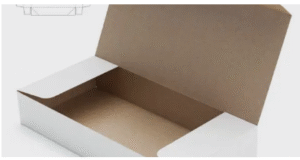
die cutDie cutting is a process used to cut, shape, and design materials with precision using a die (a specialised tool). This method is widely used across various industries to create complex shapes or patterns that are difficult to achieve using traditional cutting methods. A die is typically made of steel or other durable materials and can cut through a range of materials, such as paper, cardboard, fabric, foam, and even certain plastics.

The die-cutting process uses a sharp blade or a set of blades to cut out custom shapes from sheets of material. Depending on the scale of production and complexity of the design, this process can be done manually or using automated machines.

How Does Die Cutting Work?

Die cutting can be performed in several ways, including:

  • Flatbed Die Cutting: This method involves placing a sheet of material on a flatbed and pressing it with a die to cut through the material. It is ideal for cutting large and heavy materials and is often used for packaging and heavy-duty applications.
  • Rotary Die Cutting: A rotary die cutting machine uses a rotating cylindrical die to cut through material. This process is faster and more efficient for high-volume production runs and is often used for more minor or more intricate cuts.
  • Laser die cutting uses a high-powered laser beam to cut through materials. It offers extreme precision and is often used for intricate designs or small details that would be difficult to achieve with traditional die-cutting.

Each method has its advantages depending on the material being cut, the complexity of the design, and the required production speed.

Applications of Die Cutting in New Zealand

Die cutting is an incredibly versatile technique with a broad range of applications across many industries in New Zealand. Some of the most common uses of die-cutting include:

Packaging and Labelling

Die-cutting is a critical component of the packaging industry. Custom die-cut packaging creates unique shapes and sizes for product boxes, inserts, and other packaging materials. Packaging companies use die-cutting to ensure that their products fit perfectly and stand out on the shelf. The ability to create unique designs, folds, and perforations makes die-cut packaging an attractive option for businesses looking to differentiate their products.

Promotional Materials

Businesses in New Zealand use die-cut designs to create eye-catching promotional materials such as flyers, brochures, and business cards. Die-cutting enables companies to create shapes and designs that immediately capture attention, adding an extra level of appeal and creativity to their marketing materials. Custom shapes, cut-outs, and intricate designs can help a business stand out from competitors.

Printing and Signage

Die cutting is widely used in the printing and signage industry to create custom signs, labels, and decals. Whether it’s for creating large outdoor signs or small stickers, die-cutting can achieve precise shapes and sizes that are crucial for clear, effective signage. It allows for creative flexibility, enabling designers to craft unique signage that complements a brand’s aesthetic.

Textiles and Apparel

In the textile and fashion industries, die-cutting is often used to cut fabric into specific patterns for garments and accessories. It allows for efficient cutting of complex shapes and designs, ensuring that each piece of fabric is consistent and precise. It is particularly valuable for high-volume garment production where speed and accuracy are essential.

Crafting and Custom Designs

The die-cutting industry in New Zealand has also seen growth in the crafting and custom design market. Scrapbookers, artists, and hobbyists often use die-cutting to create intricate designs and personalised projects. Whether it’s creating unique greeting cards, stencils, or gift tags, die-cutting adds a level of precision and quality that can’t be easily achieved by hand.

Conclusion:

Die cutting is a versatile, efficient, and cost-effective solution for businesses in New Zealand across a wide range of industries. Whether for packaging, promotional materials, signage, or custom designs, die-cutting offers the precision and creativity that businesses need to stand out in a competitive market.