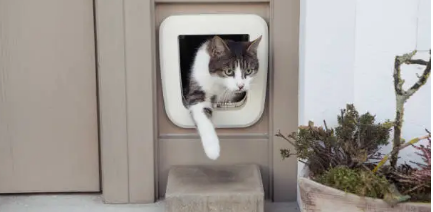
Adelaide homeowners face specific environmental challenges when installing and maintaining pet access points. Installations of pet doors Adelaide are especially tested during long, dry summers, when temperatures regularly climb, and fine dust is carried by suburban winds. For dog and cat owners, what seems like a simple convenience feature can quickly become a weak point in home insulation, energy efficiency, and even security if not properly selected and maintained.
This article explains how Adelaide’s climate affects pet door performance, why sealing degradation is more common in hot, dusty conditions, and what homeowners can do to ensure their pets still enjoy freedom without compromising comfort or safety.
Adelaide’s Climate Stress on Pet Door Materials
Adelaide’s summer climate is characterised by prolonged heatwaves, UV exposure, and low humidity. These conditions continuously stress plastics, rubbers, and magnetic seals commonly used in pet doors.
Thermal expansion is one of the most overlooked issues. When temperatures spike, door frames and flaps expand slightly, and when nights cool down, they contract again. Over time, this cycle leads to warped edges or misaligned flaps that no longer seal tightly. Dust is another major factor. Fine particles carried in from dry paddocks and construction zones accumulate around hinges and seals, preventing proper closure.
For homeowners using basic flap-style systems, this often results in visible gaps or flaps that no longer sit flush against the frame. In newer insulated or multi-flap systems, dust buildup can reduce magnetic strength and compromise the air-tight barrier that keeps indoor air conditioned.
Energy Efficiency Losses During Peak Summer Heat
Once sealing performance starts to decline, energy efficiency is the first casualty. In Adelaide’s peak summer months, air conditioning systems are already under heavy load. A poorly sealed pet door creates a constant micro-leak in the home envelope.
Cool air escapes while hot external air is drawn inside, forcing cooling systems to cycle more frequently. This not only increases electricity costs but also reduces overall indoor comfort, especially in homes with open-plan living areas where airflow spreads quickly.
Modern energy-efficient pet door designs attempt to address this with double flaps, insulated cores, and tighter magnetic closures. However, even these systems require maintenance in dusty environments. Without regular cleaning, grit can accumulate along the edges, preventing a full seal.
Homeowners often underestimate how much a small opening can affect thermal performance. In hot Adelaide conditions, even minor inefficiencies can translate into noticeable spikes in energy consumption over a full summer season.
At this stage, pet doors Adelaide installations become less about convenience and more about balancing pet access with household energy management.
Dust Intrusion and Indoor Air Quality Concerns
Dust infiltration is a persistent issue in many Adelaide suburbs, particularly during dry summer winds or nearby landscaping and construction activity. Pet doors serve as low-resistance entry points for airborne particles.
Unlike standard doors that remain closed most of the time, pet doors are frequently opened by animal movement and may remain slightly ajar if seals are weakened. This allows fine dust to settle on floors, furniture, and air filtration systems more quickly.
For households with allergies or respiratory sensitivities, this can become a noticeable problem. Air conditioners and purifiers may also require more frequent filter replacement due to increased particulate load.
Regular cleaning of the flap edges, hinge points, and surrounding frame can reduce buildup. Some homeowners also upgrade to brush-sealed or multi-layer flap systems to limit airflow gaps without restricting pet movement.
Maintaining indoor air quality in Adelaide’s environment requires more than just closing windows during dusty conditions—it also means ensuring small structural entry points, like pet doors, remain properly sealed and clean.
Home Security Considerations for Pet Owners
Security is another critical factor often overlooked when installing pet access points. Any opening in a door or wall represents a potential vulnerability, and in hotter months, homeowners may leave sliding doors or windows open more frequently to encourage airflow.
In Adelaide suburbs, where properties often include rear lanes or side access points, poorly designed pet doors can create an easy entry point if not properly secured. Larger flap openings or damaged frames may be exploited if the locking mechanism is weak or absent.
Reinforced frames, lockable panels, and electronically controlled pet access systems are increasingly popular solutions. These allow owners to restrict access during night hours or when the home is unoccupied.
Material quality also plays a role. UV-degraded plastic can become brittle over time, making forced entry easier if the structure weakens. This is particularly relevant in older installations that have been exposed to multiple Adelaide summers without replacement or servicing.
For this reason, pet doors Adelaide selections should always factor in not just pet convenience, but also structural integrity and lock reliability as part of overall home security planning.
Choosing the Right Pet Door for Adelaide Conditions
Selecting a suitable pet door in Adelaide requires balancing climate resilience, energy performance, and security features.
Aluminium-framed or UV-stabilised polymer units tend to perform better under sustained heat exposure. Multi-flap insulated designs help reduce thermal transfer, while magnetic sealing systems improve closure consistency even in dusty conditions.
Installation location also matters. Doors exposed to direct western sun will degrade faster than shaded installations. In some cases, positioning the pet door on a sheltered side entry or laundry access point can significantly improve lifespan and performance.
Routine maintenance—such as cleaning dust from seals, checking hinge alignment, and inspecting for UV wear—extends the usable life and reduces long-term costs.
Ultimately, homeowners who treat pet doors as part of their home envelope rather than as standalone accessories achieve better comfort, lower energy bills, and improved safety.
Final Thoughts
Adelaide’s hot summers and dusty environment create a unique stress test for pet access systems. From sealing degradation to energy efficiency loss and security considerations, the performance of a pet door is closely tied to how well it is selected, installed, and maintained.
For pet owners, the goal is not just convenience but sustainable integration into the home’s thermal and security systems. With the right materials and upkeep strategy, pet doors can remain reliable even under Adelaide’s most demanding seasonal conditions.