A concussion can affect far more than an athlete’s ability to think clearly. Dizziness, blurred vision, poor balance, headaches, and difficulty tracking moving objects can all interfere with training and everyday activities. For athletes in Newton and surrounding Adelaide suburbs, finding an experienced physio near Newton can be an important step when these symptoms persist after a sports-related head injury. Vestibular and oculomotor rehabilitation targets the systems responsible for balance, eye movement and visual stability, helping athletes work toward a safe return to normal activity and sport. Research supports targeted rehabilitation when vestibular or visual symptoms are present after concussion.
How Concussions Affect Balance and Vision
The vestibular system helps the brain understand movement and maintain balance. The oculomotor system controls how the eyes move, focus and coordinate with head movement.
After a concussion, these systems may not work together normally. An athlete might experience:
● Dizziness or nausea when moving the head
● Blurred or double vision
● Difficulty focusing on a ball or opponent
● Headaches triggered by reading or screen use
● Poor balance or coordination
● Sensitivity to busy visual environments
● Symptoms when running or changing direction
These issues can make normal sporting movements difficult and may require more than simple rest.
What Vestibular Rehabilitation Involves
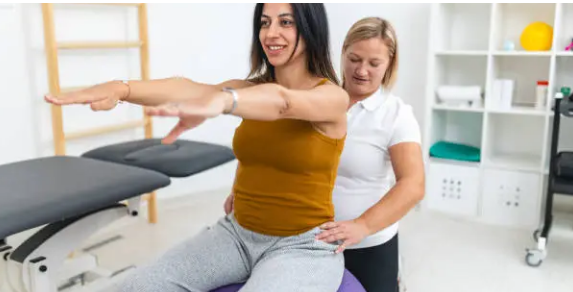
A concussion physio can assess how the athlete responds to head movement, visual motion and changes in position. Depending on the findings, rehabilitation may include balance exercises, gaze-stability drills and carefully graded head and body movements.
The goal is not to overwhelm the athlete with symptoms. Instead, exercises progress according to the athlete’s individual response and functional demands.
For example, an athlete who becomes dizzy while turning their head may begin with controlled gaze-stability work before progressing to more challenging movements. Balance exercises can then become increasingly dynamic and sport-specific.
Oculomotor Rehab for Athletes
Oculomotor rehabilitation focuses on how effectively the eyes track, shift focus and coordinate with head and body movement. This is particularly relevant for sports that demand rapid visual processing, such as football, soccer, basketball, and cricket.
A suitably trained therapist may use activities involving:
1. Smooth pursuit: tracking a moving target with the eyes.
2. Saccades: rapidly shifting the eyes between targets.
3. Near-to-far focusing: changing visual focus between different distances.
4. Visual motion exercises: gradually improving tolerance to visually complex environments.
Where appropriate, a physiotherapist may also coordinate care with an optometrist, ophthalmologist, GP or sports physician.
Sports Head Injury Rehab and Return to Play
Sports head injury rehab should be individualised rather than based on a fixed timetable. Current guidance recommends a gradual return-to-sport progression, with athletes moving through stages only when they can tolerate the current level without new or worsening symptoms. Each stage typically takes at least 24 hours.
For athletes seeking a physio near Newton, rehabilitation may form one part of a broader medical management plan. An appropriate healthcare professional should first assess a suspected concussion, and athletes should not return to play on the day of injury.
When to Seek Concussion Physio
If dizziness, visual problems, headaches, balance difficulties or exercise intolerance continue after a concussion, professional assessment can help identify which systems are contributing to symptoms.
A physio near Newton with appropriate concussion and vestibular experience can develop a rehabilitation program around the athlete’s symptoms, sport and recovery goals. Discuss persistent or worsening symptoms with a medical practitioner, especially when recovery isn’t progressing as expected.
Get Back to Sport Safely
Concussion recovery is not simply about waiting until symptoms disappear. Vestibular and oculomotor rehabilitation can address specific impairments affecting balance, vision, and movement, while a graded return-to-sport program helps athletes rebuild tolerance safely.
If you are an athlete in Newton, Campbelltown or Adelaide’s eastern suburbs dealing with ongoing concussion symptoms, consider consulting a qualified physio near Newton experienced in concussion rehabilitation. Early, appropriate assessment can help establish the right pathway toward training and competition.
—
Frequently Asked Questions
1. Can physiotherapy help after a sports concussion?
Yes. Physiotherapy may help address concussion-related vestibular, balance, movement and exercise-tolerance problems when these impairments are identified.
2. What is vestibular rehabilitation for concussion?
It is targeted rehabilitation designed to improve symptoms related to balance, dizziness, gaze stability and sensitivity to movement.
3. What does oculomotor rehabilitation involve?
It may include exercises targeting eye tracking, rapid eye movements, focusing and coordination between visual and movement systems.
4. When can an athlete return to sport after concussion?
Return to sport should follow medical guidance and a gradual progression. Athletes should only advance when they tolerate the current stage without new or worsening symptoms.
5. When should I see a concussion physio?
Consider assessment when concussion-related dizziness, balance problems, visual symptoms or exercise intolerance continue or interfere with normal activities and sporting goals.