Smeg appliances

Smeg Appliances Review’ Are Premium Italian Kitchenware Range Units Worth It for Adelaide Homes’

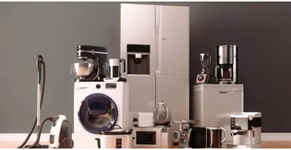
Smeg has a broad range of ovens, cooktops, refrigerators, dishwashers and small appliances. So, are they worth the premium? The answer depends on your priorities, kitchen design and willingness to pay more for distinctive styling and features.

Choosing premium kitchen appliances involves more than comparing price tags. Smeg appliances reviews often focus on the brand’s distinctive Italian styling, but appearance is only one part of the decision. Adelaide homeowners also need to consider cooking performance, energy use, available features, installation requirements and long-term servicing.

Why Smeg Appliances Stand Out

Smeg is particularly well known for combining retro-inspired design with modern kitchen technology. Its appliances can suit everything from contemporary Adelaide renovations to character homes in suburbs such as Norwood, Unley and Glenelg.

The design is a major reason buyers consider Smeg. However, weigh premium styling against practical requirements, including capacity, controls, cleaning functions, and installation dimensions.

For Adelaide homeowners, consider these factors before buying:

● Kitchen layout: Check appliance dimensions and ventilation requirements.

● Cooking habits: Choose oven functions and cooktop configurations that match how you prepare meals.

● Capacity: Compare the refrigerator and oven capacities to your household’s needs.

● Servicing: Confirm that qualified technicians can service the model in your area.

● Warranty: Understand what the manufacturer’s warranty covers and how service claims are handled.

Smeg Retro Fridge Review SA: Style Versus Practicality

A Smeg retro fridge review SA search often leads buyers to the brand’s iconic rounded designs and bold finishes. These refrigerators can become a visual centrepiece, particularly in kitchens where the appliance is intentionally part of the décor.

However, retro styling does not automatically make a refrigerator the best choice. Compare internal capacity, shelving configuration, freezer space, dimensions and energy efficiency with other models at a similar price.

This is particularly important when renovating an Adelaide kitchen where cabinetry and available floor space have already been planned. Measure the installation area carefully rather than choosing a refrigerator based solely on appearance.

Smeg Oven Repairs & Performance: What Buyers Should Consider

Ovens are used heavily, so performance and after-sales support deserve as much attention as appearance. When researching Smeg oven repairs & performance, consider the model’s cooking functions, controls, cleaning features, and warranty arrangements.

A premium oven can be a worthwhile investment if its functions genuinely suit your cooking style. For example, frequent home cooks may benefit more from precise temperature control and useful cooking modes than from decorative features.

It is also sensible to identify local appliance service options before purchasing. Adelaide homeowners should keep the model number, warranty information and purchase documentation available if servicing becomes necessary.

Are Smeg Appliances Worth the Premium?

The best Smeg appliance reviews tend to make one point clear: value depends on what you expect from the appliance.

Smeg may be worth considering if you prioritise:

● Distinctive Italian-inspired design

● A coordinated kitchen appliance range

● Premium finishes and presentation

● Features that match your cooking requirements

● A long-term kitchen design where aesthetics matter

On the other hand, buyers focused primarily on maximum capacity, basic functionality, or the lowest purchase price may find better value elsewhere.

Final Verdict

Smeg appliances can make sense for Adelaide homes when design, functionality, and brand presentation all matter. They are not necessarily the right choice for every kitchen, particularly when budget or straightforward practicality takes priority.

Before committing, compare the exact model rather than judging the brand as a whole. Check dimensions, specifications, warranty terms, energy information and local servicing options.

If you’re planning a kitchen renovation or replacing an ageing appliance, compare several Smeg models with competing brands and speak with a reputable Adelaide appliance retailer or qualified installer before making your final choice.

—

Frequently Asked Questions

1. Are Smeg appliances worth the money?

They can be, particularly for buyers who value distinctive design, premium finishes and features that suit their cooking needs. Compare individual models before purchasing.

2. Are Smeg appliances good for Adelaide homes?

Yes, provided the selected appliance suits the kitchen’s dimensions, electrical requirements, ventilation needs and household cooking habits.

3. Is a Smeg retro refrigerator practical?

It can be, but buyers should compare its capacity, internal layout, energy efficiency, and dimensions rather than choosing it solely for its appearance.

4. What should I know about Smeg oven repairs?

Check the warranty and identify suitable local appliance servicing options before purchasing. Keep your model and purchase details for future service requirements.

5. Should I buy a complete Smeg appliance range?

A coordinated range can create a consistent kitchen design, but buying individual appliances based on their specific performance and features may provide better value.

novated lease calculator

Novated Lease Calculator’ Estimate Your Tax Savings & Take-Home Pay

If you are considering a novated lease in Adelaide, understanding the numbers before you commit is essential. A novated lease calculator can help estimate your vehicle costs, potential tax savings and how a salary-packaged car could affect your take-home pay. For South Australian employees, this can make it easier to compare a novated lease with buying and financing a vehicle privately. While an online calculator provides an estimate rather than a final quote, it is a useful starting point for understanding how salary packaging may fit your budget and driving needs.

How Does a Novated Lease Calculator Work?

A novated lease calculator generally uses information such as your salary, vehicle price, lease term and estimated annual kilometres to produce an indicative calculation.

Depending on the calculator, you may be able to compare:

● Estimated pre-tax and post-tax contributions

● Potential income tax savings

● Vehicle finance and running costs

● Estimated change to your take-home pay

● Residual value at the end of the lease

● Overall vehicle costs over the lease term

The results can help you see the potential financial impact before requesting a formal novated lease quote.

Estimate Your Tax Savings in Adelaide

One of the key attractions of salary packaging a vehicle is the potential to pay eligible vehicle expenses from a combination of pre-tax and post-tax income. Tax treatment depends on your circumstances, the vehicle, and current Australian rules.

For many eligible electric vehicles, additional FBT considerations may also apply. However, eligibility and exemptions have specific requirements, so you should not treat an estimate as tax advice.

An SA salary packaging car calculator can be particularly useful if you work for an organisation that offers salary packaging. Entering your approximate salary and vehicle details can give you a clearer picture of whether the arrangement deserves further investigation.

What Information Do You Need?

To get a more realistic estimate, have these details available:

1. Annual salary: Your gross income can influence the potential tax impact.

2. Vehicle price: Include the specific vehicle you are considering, rather than a generic example.

3. Annual kilometres: Your expected driving can affect running-cost estimates.

4. Lease term: Common lease periods can vary, so check the options available to you.

5. Running costs: Consider fuel or charging, registration, insurance, servicing and tyres.

The more accurate your inputs, the more useful the estimate will be.

Compare Your Potential Novated Lease Savings

A novated lease savings calculator is most useful when you compare scenarios rather than focusing on one headline savings figure.

For example, you could compare a petrol vehicle with an eligible EV, or examine different vehicle prices and lease terms. Then consider how each option affects your estimated fortnightly or monthly take-home pay.

Remember that calculated savings are estimates. Your actual outcome may differ due to your tax position, employer arrangements, vehicle costs, financing terms, and other factors.

Novated Lease Calculator vs. Car Salary Sacrifice Calculator

You may also see tools marketed as a car salary sacrifice calculator. In practice, these tools can perform similar functions by estimating how packaging vehicle expenses through your salary may affect your net pay.

However, calculators are not a substitute for a formal quote. A provider should confirm the finance structure, running-cost budget, residual value, applicable taxes, and employer requirements before you decide.

What Adelaide Drivers Should Consider

Adelaide motorists should look beyond the estimated tax benefit. Think about your typical commute, parking, weekend driving, charging access (if considering an EV), insurance costs, and how long you expect to keep the vehicle.

A lower purchase price doesn’t automatically mean a lower total cost, and higher estimated tax savings don’t necessarily make a vehicle the best choice.

Get a Clearer Picture Before You Sign

A novated lease calculator is a practical first step for Adelaide employees who want to understand how salary packaging could affect their vehicle budget and take-home pay. Use it to compare realistic vehicle options, then validate the figures with a qualified novated lease provider or tax professional.

Before committing, request a detailed quote and check the assumptions behind the calculation. Start with accurate numbers, compare your options and make your decision based on the total cost—not just the projected tax saving.

________________________________________

Frequently Asked Questions

1. What is a novated lease calculator?

A novated lease calculator estimates how financing and salary packaging a vehicle may affect your vehicle costs, tax position and take-home pay.

2. Can a novated lease calculator show my exact savings?

No. Calculator results are estimates. Your actual outcome depends on your salary, vehicle, lease structure, employer arrangements and applicable tax rules.

3. What should I enter into a novated lease calculator?

Typically, you will need your salary, vehicle price, lease term and estimated annual kilometres. Some calculators also ask for running-cost information.

4. Is a novated lease available to all Adelaide employees?

Availability depends on your employer and employment arrangement. Your employer needs to support novated leasing or salary packaging for you to use the arrangement.

5. Should I use a calculator before getting a quote?

Yes. A calculator can help you compare vehicles and understand the potential impact on your budget before requesting a formal quote.

silage plastic

Silage Plastic for Condensation Control on Coastal Dairy Farms

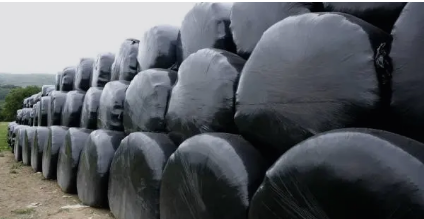
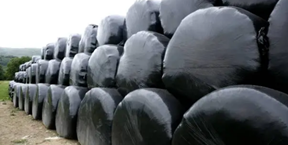
Coastal dairy farms face a persistent silage challenge: moisture persists even after the bunker is sealed. In humid areas such as Gippsland and the South Coast, temperature changes beneath bunker covers can create condensation, allowing water droplets to form on the underside of the sheet. This can create small, damp microclimates where mould and localised spoilage develop. Choosing the right silage plastic can help reduce this risk. Specialised anti-fog formulations control surface condensation and help maintain a more stable environment across the sealed silage face.

Why Condensation Matters in Coastal Silage

A sealed bunker is intended to maintain anaerobic conditions and protect fermented forage from oxygen and moisture. However, temperature differences between the silage, cover and surrounding air can cause water vapour to condense beneath the top-layer sheet.

Rather than remaining evenly distributed, condensation can collect into droplets. These droplets may wet sections of the silage surface and contribute to localised deterioration, particularly where sealing is already compromised.

This makes condensation control an important consideration for dairy operations in humid coastal regions. Gippsland, southern Victoria, and Australia’s South Coast can experience weather conditions in which moisture management becomes particularly important during storage.

How Anti-Fog Silage Plastic Works

Managing Water Droplet Formation

An anti-fog silage plastic cover dairy solution uses additives in the plastic formulation to change how moisture behaves on the sheet’s inner surface. Instead of allowing water vapour to form distinct droplets, the treatment can encourage moisture to spread more evenly across the film.

This reduces the formation of concentrated water droplets beneath the cover. It does not eliminate moisture from the bunker, but it can help reduce the conditions that allow isolated wet patches to develop.

Supporting a More Stable Microclimate

The space immediately beneath a bunker cover can behave differently from the surrounding environment. Temperature and humidity changes can create small internal microclimates, particularly near the upper silage layer.

A properly selected silage plastic with anti-fog properties can help manage condensation across this interface. This is especially useful when combined with good bunker construction, firm packing and effective sealing along the edges.

Choosing an Anti-Fog Bunker Sheet

When comparing silage covers for coastal dairy applications, consider:

● Anti-fog performance: Look for a film specifically formulated to reduce visible condensation droplets.

● Barrier performance: The sheet should provide effective protection against oxygen movement.

● UV resistance: Outdoor storage exposes plastic to prolonged sunlight, making UV stabilisation important.

● Mechanical strength: A durable cover is better able to withstand handling, installation and farm conditions.

● Compatibility with sealing systems: The sheet should work effectively with the bunker walls, weights and sealing layers used on the farm.

Anti-fog technology should not be viewed as a substitute for proper sealing. It is one component of an overall silage preservation system.

Best Practices for Coastal Dairy Farms

Before covering a bunker, ensure the forage is packed tightly, and the surface is reasonably smooth. Apply the silage plastic promptly after filling to minimise unnecessary oxygen exposure.

Use appropriate weights across the cover, paying particular attention to edges, joins and areas where wind could lift the sheet. Inspect the cover regularly and repair punctures or damage as soon as you identify them.

For farms in humid regions, selecting an anti-fog top-layer sheet can complement these practices by helping manage condensation beneath the cover.

Conclusion

Condensation can create small, wet environments beneath bunker covers, increasing the risk of localised mould and spoilage. For dairy farms in Gippsland, the South Coast, and other humid Australian regions, an anti-fog silage plastic cover solution can help manage water droplet formation and support more consistent storage conditions.

The best results come from combining suitable silage plastic, thorough packing, effective sealing and regular inspections. Speak with an agricultural plastics supplier about anti-fog bunker sheets suited to your storage system and local climate.

—

FAQs

1. What causes condensation under silage plastic?

Temperature and humidity differences can cause water vapour beneath the cover to condense into droplets on the film surface.

2. What is anti-fog silage plastic?

It is a specialised plastic film containing additives designed to reduce the formation of distinct water droplets on the underside of the cover.

3. Does anti-fog plastic prevent silage spoilage?

It can help reduce condensation-related risks, but effective spoilage prevention also depends on proper packing, sealing and oxygen exclusion.

4. Is anti-fog silage plastic useful in Gippsland?

It can be particularly relevant in humid coastal and dairy-producing regions where moisture and temperature fluctuations can contribute to condensation beneath bunker covers.

5. How should coastal dairy farms use bunker covers?

Cover packed silage promptly, maintain effective edge sealing, use suitable weights, inspect for damage and consider anti-fog film where condensation is a recurring concern.

construction companies Adelaide

Construction Companies Adelaide’ How Modern Builders in Adelaide Stay Ahead with Technology and Construction Standards

The construction industry in South Australia is undergoing a rapid transformation, driven by digital innovation, stricter compliance frameworks, and rising expectations for efficiency and sustainability. For clients and developers, choosing the right construction companies Adelaide increasingly means looking beyond traditional building capability and focusing on technological competence, regulatory awareness, and adaptability to modern standards.

In today’s market, construction companies Adelaide are expected to integrate advanced systems such as digital modelling, real-time project tracking, and sustainability-focused building methods. This shift is particularly important in a growing city like Adelaide, South Australia, where infrastructure development must balance heritage preservation, urban expansion, and environmental responsibility. Firms that fail to adapt risk falling behind in both compliance and competitiveness.

1. Digital Transformation and Building Information Modelling (BIM)

One of the most significant advancements reshaping the industry is the adoption of Building Information Modelling (BIM), a digital representation of a structure’s physical and functional characteristics. BIM enables collaboration across architects, engineers, and contractors, reducing errors and improving project efficiency.

Modern construction companies Adelaide are increasingly investing in BIM platforms to streamline workflows from design through to construction and maintenance. By using BIM, project teams can detect design clashes early, simulate construction phases, and improve cost estimation accuracy.

Alongside BIM, many firms now use cloud-based project management systems that allow real-time updates across job sites. This reduces delays caused by miscommunication and ensures all stakeholders are aligned throughout the project lifecycle.

Industry bodies such as Engineers Australia actively support the upskilling of professionals in digital engineering practices, ensuring that the workforce remains competent in emerging technologies. This is a key reason why construction companies Adelaide continue to evolve their technical capabilities at a rapid pace.

2. Compliance with the National Construction Code and Industry Standards

Staying current with regulations is just as important as adopting new technology. Construction in Australia is governed by the National Construction Code (NCC), which sets out minimum requirements for safety, accessibility, energy efficiency, and structural integrity.

To remain competitive, construction companies Adelaide must continuously update their processes to align with changes introduced by the Australian Building Codes Board. These updates often reflect new research, environmental targets, and safety expectations.

In addition to national regulations, local industry groups such as Master Builders South Australia provide ongoing training, certification programs, and compliance resources. These programs help contractors stay informed about legislative changes and best practices.

For builders, compliance is no longer a static requirement—it is a dynamic process that requires constant learning and adaptation. This is especially relevant for construction companies Adelaide working on large-scale commercial or infrastructure projects, where regulatory non-compliance can lead to costly delays or penalties.

3. Sustainable Construction and Smart Building Technologies

Sustainability is now a central pillar of modern construction practice. Clients, regulators, and communities increasingly expect energy-efficient, environmentally responsible buildings that reduce long-term operational costs.

To meet these expectations, construction companies Adelaide are adopting smart building technologies such as energy monitoring systems, automated lighting controls, and high-performance building materials. These innovations not only reduce environmental impact but also enhance building performance over time.

Green building certifications and energy ratings are also influencing design decisions from the earliest planning stages. Many firms now collaborate with sustainability consultants to ensure projects meet or exceed environmental benchmarks.

Smart construction sites are also becoming more common, using IoT sensors to monitor equipment performance, worker safety, and material usage. This data-driven approach improves efficiency and reduces waste, aligning with global trends in construction modernisation.

In addition, industry- and engineering-focused frameworks encourage firms to integrate sustainability into every phase of the project lifecycle. As a result, construction companies Adelaide are increasingly positioning themselves as leaders in environmentally responsible development.

4. Workforce Training and Continuous Professional Development

Technology and standards evolve rapidly, but skilled professionals are what ultimately drive successful adoption. Continuous training is therefore essential in ensuring construction teams remain competent and competitive.

Many construction companies Adelaide invest heavily in upskilling programs, apprenticeships, and certification pathways. These programs cover areas such as digital construction tools, safety compliance, and advanced project management techniques.

Training often includes exposure to modern construction software, site automation tools, and updated safety procedures. Professional development is further supported by industry bodies, which offer workshops and accreditation programs tailored to different roles within the construction sector.

By prioritising education and skill development, firms ensure that their teams can effectively implement new technologies and comply with evolving standards. This creates a workforce that is not only technically capable but also adaptable to future industry changes.

Conclusion: The Future of Construction in Adelaide

The construction industry in South Australia is becoming increasingly sophisticated, with a strong emphasis on technology integration, regulatory compliance, sustainability, and workforce development. For clients, this means that selecting the right partner requires careful evaluation of how well a company adapts to modern practices.

Ultimately, the most successful construction companies Adelaide are those that embrace innovation while maintaining strict adherence to standards and safety requirements. As Adelaide continues to grow and modernise, these firms will play a crucial role in shaping the city’s infrastructure, economy, and long-term sustainability.

Liebherr fridge

Liebherr fridge’ Preserving Freshness in Adelaide’s Summer Heat

Adelaide summers can test household appliances, especially when temperatures climb and kitchens get noticeably warmer. For homeowners seeking dependable food storage and a streamlined kitchen design, a Liebherr fridge freezer offers precise cooling technology, integrated installation, and food-freshness features. Liebherr’s Australian range includes fully integrated fridge-freezers equipped with technologies such as BioFresh and NoFrost, designed to provide controlled storage conditions while blending discreetly into contemporary cabinetry.

Why Precision Cooling Matters in Adelaide

Keeping food at stable temperatures is important throughout the year, but it becomes especially relevant during Adelaide’s hotter months. Frequent door opening, warm groceries and higher kitchen temperatures can all place greater demands on refrigeration.

Liebherr appliances are designed around controlled temperature management rather than simply making a compartment cold. Features such as BioFresh create specialised storage zones around 0°C, with humidity conditions suited to different types of food.

For Adelaide households that regularly buy fresh produce, meat, dairy and seafood, this approach can make everyday food organisation more practical.

Integrated Design for Modern Adelaide Kitchens

A major advantage of an integrated Liebherr fridge freezer is that it can sit behind matching cabinetry, creating a cohesive kitchen appearance. This is particularly useful for renovated homes and new builds where clean lines and uninterrupted cabinetry are central to the design.

Fully integrated models are available in different configurations and sizes, allowing homeowners to consider the available kitchen cavity, storage requirements and preferred layout before choosing an appliance. Liebherr’s Australian range includes integrated fridge-freezers with BioFresh and NoFrost technologies.

A Better Approach to Fresh Food Storage

The growing interest in integrated BioFresh refrigeration in SA reflects a broader focus on preserving fresh ingredients while making kitchen storage easier to manage.

BioFresh compartments operate close to 0°C, with different storage conditions for fruit and vegetables, and meat and dairy. Selected Liebherr models also offer BioFresh Professional with HydroBreeze, which uses a cold mist within the freshness compartment.

These features can be particularly useful for households that prefer fresh produce and want greater flexibility between grocery trips.

NoFrost and Everyday Convenience

Adelaide homeowners also need refrigeration that is straightforward to maintain. Liebherr’s integrated fridge-freezer range includes NoFrost technology, which prevents ice build-up that would otherwise require manual defrosting.

Depending on the model, other practical features can include:

● Dedicated BioFresh storage compartments

● NoFrost freezer technology

● Soft-closing door mechanisms

● Interior water dispensing on selected models

● Flexible integrated configurations

● Quiet operation on selected appliances

The right combination depends on the household’s storage needs, kitchen dimensions, and preferred features.

Choosing the Right Liebherr Fridge Freezer for Your Home

Choose a Liebherr fridge freezer based on more than appearance. Before purchasing, Adelaide homeowners should check:

1. Cabinet dimensions: Confirm the required aperture height, width and depth.

2. Storage capacity: Consider household size and grocery habits.

3. Freshness features: Decide whether standard refrigeration or BioFresh suits you better.

4. Freezer requirements: Look at freezer capacity and whether NoFrost is included.

5. Installation: Make sure the appliance fits the planned cabinetry and kitchen layout.

Professional advice can also help avoid costly installation surprises, particularly for custom cabinetry.

Bring Precision Cooling Into Your Adelaide Kitchen

For homeowners upgrading a kitchen, integrated BioFresh refrigeration in SA can provide a sophisticated balance of food preservation, organisation and discreet design. Liebherr’s integrated range demonstrates how advanced refrigeration technology can be incorporated without compromising the visual character of a modern Adelaide home.

If you are considering a Liebherr fridge freezer, speak with an authorised Australian distributor or specialist appliance retailer to compare current models, dimensions and installation requirements before making your choice.

Conclusion

Adelaide’s demanding summer conditions make reliable refrigeration an important part of a well-equipped home. With precise storage environments, BioFresh options, NoFrost technology and integrated cabinetry designs, Liebherr provides solutions suited to homeowners who value both performance and aesthetics. Explore the available range and choose a configuration that fits your kitchen, lifestyle, and long-term food storage needs.

—

Frequently Asked Questions

1. Is a Liebherr fridge freezer suitable for Adelaide homes?

Yes. Liebherr offers integrated fridge-freezer models with controlled-cooling technologies, including BioFresh and NoFrost, that suit modern Adelaide kitchens.

2. What is BioFresh refrigeration?

BioFresh uses specialised compartments with temperatures close to 0°C and tailored humidity conditions to provide suitable storage environments for different foods.

3. What does integrated refrigeration mean?

An integrated refrigerator or fridge-freezer is designed to be installed within kitchen cabinetry, allowing the appliance to blend into the overall kitchen design.

4. Does every Liebherr fridge freezer have BioFresh?

No. Features vary between models, so buyers should check the specifications of the particular appliance they are considering.

5. Why consider integrated BioFresh refrigeration in SA?

It combines discreet kitchen integration with specialised food-storage conditions, making it an appealing option for Adelaide homeowners who prioritise freshness, organisation and premium kitchen design.

pools Adelaide fibreglass

Pools Adelaide Fibreglass’ The Backyard Upgrade That’s Quietly Changing How South Australians Entertain at Home

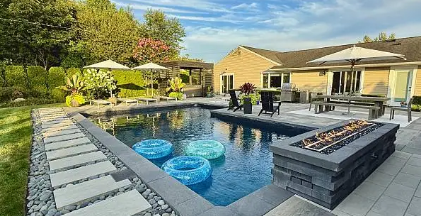
When people think about installing a swimming pool, they often picture cooling off on a hot summer’s day. But for many South Australian homeowners, the decision goes far beyond swimming. Pools Adelaide fibreglass are becoming the centrepiece of a lifestyle transformation, turning ordinary backyards into spaces where families gather, friends linger, and weekends feel like a holiday without leaving home. In Adelaide’s warm climate and outdoor-focused culture, a well-designed fibreglass pool is changing how people entertain, relax, and spend their leisure time.

More Than a Pool—A New Way to Entertain at Home

Modern entertaining has shifted from formal indoor dining to relaxed outdoor living. Instead of booking restaurants or planning elaborate outings, many Adelaide families now prefer hosting in their own backyards.

A fibreglass pool naturally becomes the focal point for social occasions because it encourages people to stay longer and enjoy the space together.

Some of the biggest lifestyle benefits include:

● Creating a destination at home for birthdays, barbecues, and weekend gatherings.

● Making outdoor spaces more versatile, with pools complemented by alfresco kitchens, decking, and shaded entertaining areas.

● Encouraging spontaneous get-togethers where friends and neighbours can drop by without extensive planning.

Rather than seeing the backyard as unused space, homeowners are treating it as an extension of the home itself.

The Staycation Trend Is Here to Stay

Holiday budgets have increased in recent years, and many families are reconsidering how they spend their leisure money. Instead of planning multiple expensive trips each year, some are investing in their homes to create lasting enjoyment.

This is one reason fibreglass pools in Adelaide continue to attract homeowners seeking long-term lifestyle value.

A backyard pool can help families:

● Reduce the need for frequent holiday accommodation and travel costs.

● Enjoy school holidays without organising interstate or overseas trips.

● Create memorable experiences that children and extended family can enjoy year after year.

There’s something uniquely relaxing about stepping outside after work and feeling like you’ve escaped everyday routines without leaving Adelaide.

While a pool isn’t a replacement for every holiday, it offers a convenient outdoor recreation area available every weekend throughout the warmer months.

Bringing Families Together in Everyday Life

Technology has changed how families spend time together, often leading everyone into separate rooms with different devices. A pool creates opportunities for genuine interaction without elaborate planning.

Whether it’s an afternoon swim, a family barbecue, or simply relaxing beside the water, outdoor spaces naturally encourage conversation and shared experiences.

Fibreglass pools contribute to family life by:

● Encouraging active recreation instead of extended screen time.

● Providing a safe and enjoyable environment for children to play while adults socialise nearby.

● Creating regular routines, such as evening swims during Adelaide’s warm summers or weekend family gatherings.

These moments may seem ordinary at first, but over time, they become the memories families remember most.

Rather than reserving quality time for annual holidays, homeowners can enjoy it throughout the swimming season.

Why Fibreglass Pools Fit Adelaide’s Outdoor Lifestyle

Adelaide enjoys long, warm summers and a strong culture of outdoor entertaining, making swimming pools a natural addition to many homes.

Fibreglass pools have become increasingly popular because they complement this lifestyle while offering practical advantages.

Homeowners appreciate features such as:

● Smooth surfaces that are comfortable underfoot.

● Faster installation compared with many alternative pool types.

● Durable construction designed for years of everyday use.

These practical benefits let homeowners spend more time enjoying their outdoor spaces and less time dealing with lengthy construction or ongoing maintenance.

As a result, Adelaide fibreglass pools are increasingly viewed as part of a complete outdoor living design rather than a standalone feature.

Many homeowners now plan landscaping, lighting, seating areas, pergolas, and outdoor kitchens alongside their pool to create a cohesive entertaining environment.

Outdoor Living Is Becoming the New Living Room

The traditional Australian backyard has evolved dramatically over the past decade. Instead of simply having lawn and garden beds, homeowners are creating multifunctional outdoor spaces that serve as dining rooms, lounges, play areas, and entertainment zones.

A fibreglass pool often anchors this transformation by encouraging thoughtful landscape design around it.

Features commonly paired with pools include:

● Covered alfresco dining spaces for year-round entertaining.

● Fire pits and outdoor lounges for cooler Adelaide evenings.

● Low-maintenance gardens that complement the pool environment.

This integrated approach allows families to enjoy every part of their backyard, whether they’re swimming, entertaining guests, or simply relaxing after work.

The result is a home that feels larger, more inviting, and better suited to modern Australian living.

Conclusion

A fibreglass pool is no longer just a place to swim—it’s becoming the centre of a lifestyle that prioritises connection, relaxation, and outdoor living. From reducing the need for frequent holidays to creating more opportunities for family time and effortless entertaining, pools Adelaide fibreglass are quietly reshaping how South Australians enjoy their homes.

If you’re considering upgrading your outdoor space, think beyond the pool itself. Explore how a professionally designed fibreglass pool can serve as the foundation for a backyard built for entertaining, everyday enjoyment, and lasting memories. Speak with a trusted local pool specialist to discover how your Adelaide property can become the place everyone looks forward to visiting.

physio Newton

Physio Newton’ Vestibular & Oculomotor Rehab for Sports Concussions in SA Athletes

A concussion can affect far more than an athlete’s ability to think clearly. Dizziness, blurred vision, poor balance, headaches, and difficulty tracking moving objects can all interfere with training and everyday activities. For athletes in Newton and surrounding Adelaide suburbs, finding an experienced physio near Newton can be an important step when these symptoms persist after a sports-related head injury. Vestibular and oculomotor rehabilitation targets the systems responsible for balance, eye movement and visual stability, helping athletes work toward a safe return to normal activity and sport. Research supports targeted rehabilitation when vestibular or visual symptoms are present after concussion.

How Concussions Affect Balance and Vision

The vestibular system helps the brain understand movement and maintain balance. The oculomotor system controls how the eyes move, focus and coordinate with head movement.

After a concussion, these systems may not work together normally. An athlete might experience:

● Dizziness or nausea when moving the head

● Blurred or double vision

● Difficulty focusing on a ball or opponent

● Headaches triggered by reading or screen use

● Poor balance or coordination

● Sensitivity to busy visual environments

● Symptoms when running or changing direction

These issues can make normal sporting movements difficult and may require more than simple rest.

What Vestibular Rehabilitation Involves

A concussion physio can assess how the athlete responds to head movement, visual motion and changes in position. Depending on the findings, rehabilitation may include balance exercises, gaze-stability drills and carefully graded head and body movements.

The goal is not to overwhelm the athlete with symptoms. Instead, exercises progress according to the athlete’s individual response and functional demands.

For example, an athlete who becomes dizzy while turning their head may begin with controlled gaze-stability work before progressing to more challenging movements. Balance exercises can then become increasingly dynamic and sport-specific.

Oculomotor Rehab for Athletes

Oculomotor rehabilitation focuses on how effectively the eyes track, shift focus and coordinate with head and body movement. This is particularly relevant for sports that demand rapid visual processing, such as football, soccer, basketball, and cricket.

A suitably trained therapist may use activities involving:

1. Smooth pursuit: tracking a moving target with the eyes.

2. Saccades: rapidly shifting the eyes between targets.

3. Near-to-far focusing: changing visual focus between different distances.

4. Visual motion exercises: gradually improving tolerance to visually complex environments.

Where appropriate, a physiotherapist may also coordinate care with an optometrist, ophthalmologist, GP or sports physician.

Sports Head Injury Rehab and Return to Play

Sports head injury rehab should be individualised rather than based on a fixed timetable. Current guidance recommends a gradual return-to-sport progression, with athletes moving through stages only when they can tolerate the current level without new or worsening symptoms. Each stage typically takes at least 24 hours.

For athletes seeking a physio near Newton, rehabilitation may form one part of a broader medical management plan. An appropriate healthcare professional should first assess a suspected concussion, and athletes should not return to play on the day of injury.

When to Seek Concussion Physio

If dizziness, visual problems, headaches, balance difficulties or exercise intolerance continue after a concussion, professional assessment can help identify which systems are contributing to symptoms.

A physio near Newton with appropriate concussion and vestibular experience can develop a rehabilitation program around the athlete’s symptoms, sport and recovery goals. Discuss persistent or worsening symptoms with a medical practitioner, especially when recovery isn’t progressing as expected.

Get Back to Sport Safely

Concussion recovery is not simply about waiting until symptoms disappear. Vestibular and oculomotor rehabilitation can address specific impairments affecting balance, vision, and movement, while a graded return-to-sport program helps athletes rebuild tolerance safely.

If you are an athlete in Newton, Campbelltown or Adelaide’s eastern suburbs dealing with ongoing concussion symptoms, consider consulting a qualified physio near Newton experienced in concussion rehabilitation. Early, appropriate assessment can help establish the right pathway toward training and competition.

—

Frequently Asked Questions

1. Can physiotherapy help after a sports concussion?

Yes. Physiotherapy may help address concussion-related vestibular, balance, movement and exercise-tolerance problems when these impairments are identified.

2. What is vestibular rehabilitation for concussion?

It is targeted rehabilitation designed to improve symptoms related to balance, dizziness, gaze stability and sensitivity to movement.

3. What does oculomotor rehabilitation involve?

It may include exercises targeting eye tracking, rapid eye movements, focusing and coordination between visual and movement systems.

4. When can an athlete return to sport after concussion?

Return to sport should follow medical guidance and a gradual progression. Athletes should only advance when they tolerate the current stage without new or worsening symptoms.

5. When should I see a concussion physio?

Consider assessment when concussion-related dizziness, balance problems, visual symptoms or exercise intolerance continue or interfere with normal activities and sporting goals.

dentist Glenelg

Dentist Glenelg’ The Smart Patient’s Guide to Better Dental Value in Glenelg, SA

In a coastal suburb like Glenelg, SA, where lifestyle and healthcare quality both matter, knowing how to optimise your dental visits can save you thousands over time while also preventing avoidable dental problems. Finding a reliable dentist Glenelg residents can trust is only the first step. The real challenge for many patients is ensuring they are getting the best long-term value from their dental care—financially, clinically, and in terms of overall oral health outcomes.

This guide explains practical, evidence-based ways to make the most out of every appointment with your dentist Glenelg, from preventive care strategies to treatment planning and cost management.

1. Focus on Preventive Dentistry, Not Just Treatment (The Long-Term Saver)

One of the biggest mistakes patients make is only visiting a dentist when something hurts. Preventive dentistry is where the real value lies. Regular check-ups, scale-and-cwhat a root canal or crown would laterleans, and early detection of issues like decay or gum disease can significantly reduce the need for expensive procedures later.

A dentist Glenelg patients visit regularly will typically recommend a six-month recall schedule. This allows minor issues to be treated before they become major problems. For example, a small cavity treated early may cost a fraction of a root canal or crown later on.

Preventive care also includes fluoride treatments, sealants, and oral hygiene education. These services are often low-cost but provide substantial long-term savings. If you are trying to maximise value, prioritising prevention over reactive treatment is the single most effective strategy.

2. Ask for a Comprehensive Treatment Plan Before Committing

Many patients feel pressured into immediate treatment decisions. A high-quality dentist Glenelg clinic should instead provide a clear, written treatment plan that outlines:

● All required procedures

● Estimated costs per stage

● Alternative treatment options

● Urgency level (immediate vs optional care)

This allows you to compare options and budget properly. In some cases, treatment can be staged over time, which reduces financial strain without compromising outcomes.

Always ask your dentist to explain why each procedure is necessary. Understanding the “why” behind recommendations ensures you are paying for value—not just procedures.

3. Understand Private Health Insurance and Medicare Benefits

Maximising value also means understanding how your benefits work. Many dentist Glenelg practices are familiar with Australian private health insurance systems and can help you optimise claims.

If you have extras cover, you may be entitled to partial or full coverage for:

● Check-ups and cleans

● X-rays

● Fillings

● Minor oral surgery

It’s also important to track annual limits. Some patients unknowingly exceed their benefits in one year when treatments could have been spread across two benefit cycles.

Additionally, children may be eligible for the Child Dental Benefits Schedule (CDBS), which provides subsidised dental care for eligible families.

4. Compare Treatment Options—Not All Dental Solutions Are Equal

Different dental issues often have multiple treatment paths. For example, missing teeth may be treated with bridges, dentures, or implants—each with different costs and longevity.

A good dentist Glenelg will present these options objectively rather than pushing the most expensive solution. Your goal should be to understand:

● Short-term vs long-term cost efficiency

● Durability of each option

● Maintenance requirements

● Aesthetic outcomes

Sometimes a slightly higher upfront cost leads to significantly lower lifetime expenses. Other times, a conservative approach is more appropriate. The key is informed decision-making, not automatic acceptance of the first suggestion.

5. Book Strategically to Avoid Emergency Costs

Emergency dental care is significantly more expensive than scheduled visits. Pain-driven appointments often involve urgent diagnostics, extra procedures, and limited treatment options.

By visiting your dentist Glenelg regularly, you reduce the risk of emergencies such as:

● Severe tooth infections

● Cracked or broken teeth

● Advanced gum disease

● Impacted wisdom teeth complications

Scheduling routine visits during quieter periods (mid-week mornings or non-peak seasons) can also improve appointment availability and, in some cases, reduce waiting times for elective procedures.

6. Invest in Good At-Home Oral Hygiene (Reduces Future Costs)

Even the best dental care cannot fully compensate for poor daily habits. Your dentist will always emphasise brushing twice daily, flossing, and using fluoride toothpaste.

A skilled dentist Glenelg will often tailor oral hygiene advice to your specific needs—whether that involves gum care, sensitivity management, or orthodontic maintenance.

Small upgrades in your routine, such as using an electric toothbrush or interdental brushes, can dramatically reduce plaque buildup and long-term treatment needs. This is one of the simplest yet most overlooked ways to reduce lifetime dental costs.

7. Build a Long-Term Relationship with One Clinic

Continuity of care is often underrated. When you consistently see the same dentist Glenelg, your provider develops a detailed understanding of your dental history, risk factors, and treatment patterns.

This leads to:

● More accurate diagnoses

● Better long-term planning

● Reduced duplication of tests

● More personalised care recommendations

Over time, this relationship often leads to more cost-efficient care because unnecessary procedures can be avoided and preventive strategies are fine-tuned to your needs.

Conclusion: Value Comes from Strategy, Not Just Price

Getting the most from your dentist Glenelg isn’t about finding the cheapest clinic—it’s about making informed, proactive decisions that reduce long-term costs while improving oral health outcomes.

By focusing on prevention, understanding treatment plans, leveraging insurance benefits, and building a trusted dental relationship, patients in Glenelg can achieve significantly better value from their dental care.

Ultimately, smart dental care is not reactive—it is strategic.

net replacement film

Net Replacement Film’ The Packaging Switch That Could Make Recycling Less Complicated

What if one of the biggest packaging headaches in Australia’s supply chain isn’t the amount of material being used, but the number of different materials being used together? From fresh produce growers in Queensland to food distributors in Victoria and retailers across Western Australia, packaging choices can affect far more than product presentation. Net replacement film offers an alternative approach that may help businesses rethink how they package goods while simplifying handling, storage, and end-of-life management.

The conversation around sustainable packaging has become increasingly complex. Businesses are under pressure to reduce waste, consumers want more environmentally responsible choices, and manufacturers need packaging that still protects products during transport. Yet the most sustainable option isn’t necessarily the one with the fewest grams of material. Sometimes, the bigger opportunity lies in choosing a packaging format that is easier to manage throughout its entire lifecycle.

The Hidden Problem With Multi-Material Packaging

Packaging can become complicated when different materials are combined to achieve a single function. Traditional netting, for example, may be used alongside plastic film, labels, trays, clips, or other components. While each element may serve a purpose, the combination can create challenges for businesses and consumers trying to manage packaging after use.

For Australian businesses, the issue becomes particularly relevant when products travel long distances between farms, distribution centres, supermarkets, and consumers.

● Multiple components can complicate sorting: Packaging made from several materials may require separation before individual components can be managed appropriately.

● Convenience can create confusion: Consumers may not always know which parts belong in household recycling, soft-plastics collection systems, or general waste.

● Supply chains benefit from standardisation: Reducing unnecessary packaging variations can make packing, storage, and handling more straightforward.

This is where net replacement film becomes an interesting option. Rather than viewing packaging as a collection of individual components, manufacturers can explore whether a film-based format can perform the required function with a simpler overall design.

That doesn’t automatically make every film recyclable or environmentally preferable. Material selection, local recycling infrastructure, product specifications, and disposal pathways all matter. However, simplifying the packaging system can be an important first step toward better lifecycle management.

A Packaging Change That Could Affect the Entire Supply Chain

Imagine an Australian produce company shipping thousands of units of fresh goods each week. Traditionally, the packaging process might involve several steps, with netting added for ventilation, protection, or visual appeal and additional materials used to secure or label the product.

Now imagine replacing that approach with a film solution tailored to the application.

The biggest advantage might not appear on the recycling bin at all. It could emerge earlier in the supply chain.

● Packing lines may become more consistent: A packaging format designed for automated or streamlined application could reduce handling steps.

● Storage can become more efficient: A compact packaging material may occupy less space than bulky netting or multiple packaging components.

● Product presentation can be improved: a clear or transparent film can maintain visibility, allowing customers to see the product while it remains packaged.

The key is to assess the entire process, not just the material itself. Evaluate a packaging solution based on its performance, durability, transport requirements, resource consumption, and end-of-life options.

The Recycling Question Isn’t as Simple as “Is It Plastic?”

One of the biggest misconceptions in packaging sustainability is that replacing one plastic product with another automatically solves the recycling problem. It doesn’t.

The real question is whether the packaging fits the available infrastructure and where it will actually be disposed of. Australia’s recycling landscape varies across states, territories, councils, and collection programs, making local context critical.

● Check the end-of-life pathway: Businesses should identify what happens to the packaging after consumers discard it, rather than assuming it will be recycled.

● Consider packaging complexity: A simpler format may be easier to sort or manage, but its actual recyclability still depends on material composition and available facilities.

● Design for the Australian market: Packaging decisions should account for local waste-management systems and the realities of Australia’s recycling infrastructure.

For companies considering net replacement film, sustainability claims must be supported by evidence. The right questions include: What material is being used? Can it be collected? Can it be processed? Is there an established recycling pathway? Does the packaging reduce material use without compromising product protection?

These questions help businesses move beyond marketing language and toward genuine packaging improvements.

The Bigger Opportunity: Designing Packaging Around Its Entire Lifecycle

The most interesting shift isn’t necessarily from netting to film. It is from thinking about packaging as a disposable object to viewing it as part of a larger system.

A successful packaging redesign should consider what happens before, during, and after the product reaches the customer.

● Before use: Can the packaging be manufactured efficiently and transported without unnecessary bulk?

● During use: Does it protect the product effectively and reduce damage or food waste?

● After use: Is there a practical pathway for collection, recovery, recycling, or responsible disposal?

This lifecycle approach is particularly important for Australia’s food and agricultural industries. If better packaging prevents even a small amount of fresh produce from being damaged during transportation, the potential resource savings may extend beyond the packaging itself.

At the same time, businesses should avoid assuming that packaging changes automatically deliver environmental benefits. A robust comparison should measure material use, product protection, logistics, operational efficiency, and end-of-life outcomes together.

The goal is not simply to find a different material. It is to find a better-performing packaging system.

Conclusion: Make the Packaging Switch With Evidence, Not Assumptions

The move toward net replacement film could allow Australian businesses to rethink packaging complexity from the ground up. By reducing the number of components involved in packaging, businesses can streamline operations, improve product presentation, and explore simpler end-of-life pathways.

But the real opportunity lies in asking better questions. Don’t just ask whether a new packaging material looks more sustainable. Ask how it performs across the entire supply chain—from manufacturing and packing to transport, retail, consumer use, and disposal.

The next step is simple: if your business currently relies on traditional netting, conduct a packaging lifecycle audit. Compare your existing solution with a suitable film alternative across material consumption, packing efficiency, product protection, transport performance, and realistic Australian recycling pathways. The results may reveal that the smartest packaging switch isn’t just about replacing one material with another—it is about designing a system that creates less complexity at every stage.