foiling

Foiling How Advanced Riders Elevate the Game on Water

Foiling has taken the watersports world in Auckland by storm, captivating riders with the sensation of effortlessly gliding above the water. While beginners quickly fall in love with the freedom of hydrofoiling, it’s in the realm of advanced foiling where the sport truly comes alive. From high-speed carving to jaw-dropping aerial maneuvers, advanced riders are redefining what’s possible on a foil. For those who crave progression and adrenaline, advanced foiling offers the ultimate ride.

The Evolution of Foiling

Initially developed for sailing and windsurfing, hydrofoiling has evolved into a diverse sport that is now also embraced by surfers, kiteboarders, wakeboarders, and even stand-up paddlers. As foil technology has improved—becoming lighter, faster, and more responsive—riders have pushed the limits of performance.

Today, advanced foiling isn’t just about speed or stability; it’s about control, style, and pushing personal boundaries. It’s a progression from simply riding to mastering the art of flying across water with precision and creativity.

What Defines Advanced Foiling?

So what exactly qualifies as advanced foiling? While there’s no strict definition, experienced riders tend to exhibit a number of skills and traits that separate them from casual foilers:

Mastery of various conditions – Advanced foilers can handle choppy waters, gusty winds, or large swells with ease.

Technical tricks and maneuvers – From carving 360s and tacks to aerial spins and backflips, they elevate their riding with impressive skills.

Efficient pumping techniques – Mastering pump foiling enables advanced riders to maintain momentum without relying on continuous waves or towing.

Switch stance riding – Being able to ride comfortably in both regular and goofy stances increases versatility and flow.

The Equipment Behind the Ride

One of the most exciting aspects of advanced foiling is access to specialised gear. As riders improve, they often switch to smaller, more responsive foils for better maneuverability and performance. Boards also become more compact and streamlined, allowing for tighter turns and higher speeds.

Foil wings with high aspect ratios are popular among advanced riders because they offer greater lift and glide. These components respond to even the smallest body movements, giving seasoned foilers an unmatched sense of control.

Moreover, tech-savvy brands now offer modular foil systems, enabling advanced riders to fine-tune their setups for different disciplines—be it surf foiling, wing foiling, kite foiling, or e-foiling.

The Thrill of Progression

One of the key motivations for riders stepping into advanced foiling is the constant challenge. Every ride presents a new opportunity to improve—whether it’s landing a new trick, reading a complex wave pattern, or linking multiple turns together with fluidity.

This pursuit of progression is what keeps foilers coming back for more. The sensation of weightlessness, the quiet hum of the foil underwater, and the rush of acceleration all combine to create a one-of-a-kind experience that never gets old.

Community and Competition

Advanced foiling isn’t just about solo sessions. Across the globe, passionate communities of foilers share tips, videos, and personal milestones. Competitions have also become more frequent, with athletes showcasing the next level of skill in freestyle and race formats.

Events like the GWA Wingfoil World Tour and the M2O Molokai Challenge highlight the evolving nature of advanced foiling and how it’s quickly gaining recognition in professional water sports.

These events push innovation and inspire everyday riders to explore new possibilities in their own riding journeys.

Safety and Responsibility

As with any extreme sport, advanced foiling demands a high level of responsibility. Riding at high speeds or attempting technical tricks can increase the risk of injury without the right precautions. Advanced riders always prioritise:

Wearing proper safety gear, such as helmets and impact vests

Keeping a safe distance from swimmers and other riders

Regularly checking equipment for signs of wear and tear.

Understanding the environment—currents, tides, and local regulations

Elevating your ride doesn’t mean ignoring safety—it means refining every aspect of your performance, including your awareness and preparation.

Why Riders Chase the Next Level

For many, advanced foiling represents the ultimate freedom on water. It’s the reward for hours of practice, wipeouts, and steady improvement. It’s about expressing yourself through movement, connecting with the ocean, and unlocking a new level of excitement every time your foil lifts.

Whether you’re carving through deep blue swells or catching air with your wing foil, the experience is both powerful and poetic, blending athleticism with art.

Final Thoughts

Advanced foiling is more than a skillset; it’s a mindset. It’s about constantly seeking growth, embracing challenges, and discovering what lies beyond the next wave. With the right gear, technique, and dedication, riders can elevate their game and experience the water in ways they never imagined.

If you’re ready to take your foiling to the next level, now is the time. The future of water sports is flying, and advanced foiling is leading the way.

Foiling How Advanced Riders Elevate the Game on Water

Foiling has taken the watersports world in Auckland by storm, captivating riders with the sensation of effortlessly gliding above the water. While beginners quickly fall in love with the freedom of hydrofoiling, it’s in the realm of advanced foiling where the sport truly comes alive. From high-speed carving to jaw-dropping aerial maneuvers, advanced riders are redefining what’s possible on a foil. For those who crave progression and adrenaline, advanced foiling offers the ultimate ride.

The Evolution of Foiling

Initially developed for sailing and windsurfing, hydrofoiling has evolved into a diverse sport that is now also embraced by surfers, kiteboarders, wakeboarders, and even stand-up paddlers. As foil technology has improved—becoming lighter, faster, and more responsive—riders have pushed the limits of performance.

Today, advanced foiling isn’t just about speed or stability; it’s about control, style, and pushing personal boundaries. It’s a progression from simply riding to mastering the art of flying across water with precision and creativity.

What Defines Advanced Foiling?

So what exactly qualifies as advanced foiling? While there’s no strict definition, experienced riders tend to exhibit a number of skills and traits that separate them from casual foilers:

Mastery of various conditions – Advanced foilers can handle choppy waters, gusty winds, or large swells with ease.

Technical tricks and maneuvers – From carving 360s and tacks to aerial spins and backflips, they elevate their riding with impressive skills.

Efficient pumping techniques – Mastering pump foiling enables advanced riders to maintain momentum without relying on continuous waves or towing.

Switch stance riding – Being able to ride comfortably in both regular and goofy stances increases versatility and flow.

The Equipment Behind the Ride

One of the most exciting aspects of advanced foiling is access to specialised gear. As riders improve, they often switch to smaller, more responsive foils for better maneuverability and performance. Boards also become more compact and streamlined, allowing for tighter turns and higher speeds.

Foil wings with high aspect ratios are popular among advanced riders because they offer greater lift and glide. These components respond to even the smallest body movements, giving seasoned foilers an unmatched sense of control.

Moreover, tech-savvy brands now offer modular foil systems, enabling advanced riders to fine-tune their setups for different disciplines—be it surf foiling, wing foiling, kite foiling, or e-foiling.

The Thrill of Progression

One of the key motivations for riders stepping into advanced foiling is the constant challenge. Every ride presents a new opportunity to improve—whether it’s landing a new trick, reading a complex wave pattern, or linking multiple turns together with fluidity.

This pursuit of progression is what keeps foilers coming back for more. The sensation of weightlessness, the quiet hum of the foil underwater, and the rush of acceleration all combine to create a one-of-a-kind experience that never gets old.

Community and Competition

Advanced foiling isn’t just about solo sessions. Across the globe, passionate communities of foilers share tips, videos, and personal milestones. Competitions have also become more frequent, with athletes showcasing the next level of skill in freestyle and race formats.

Events like the GWA Wingfoil World Tour and the M2O Molokai Challenge highlight the evolving nature of advanced foiling and how it’s quickly gaining recognition in professional water sports.

These events push innovation and inspire everyday riders to explore new possibilities in their own riding journeys.

Safety and Responsibility

As with any extreme sport, advanced foiling demands a high level of responsibility. Riding at high speeds or attempting technical tricks can increase the risk of injury without the right precautions. Advanced riders always prioritise:

Wearing proper safety gear, such as helmets and impact vests

Keeping a safe distance from swimmers and other riders

Regularly checking equipment for signs of wear and tear.

Understanding the environment—currents, tides, and local regulations

Elevating your ride doesn’t mean ignoring safety—it means refining every aspect of your performance, including your awareness and preparation.

Why Riders Chase the Next Level

For many, advanced foiling represents the ultimate freedom on water. It’s the reward for hours of practice, wipeouts, and steady improvement. It’s about expressing yourself through movement, connecting with the ocean, and unlocking a new level of excitement every time your foil lifts.

Whether you’re carving through deep blue swells or catching air with your wing foil, the experience is both powerful and poetic, blending athleticism with art.

Final Thoughts

Advanced foiling is more than a skillset; it’s a mindset. It’s about constantly seeking growth, embracing challenges, and discovering what lies beyond the next wave. With the right gear, technique, and dedication, riders can elevate their game and experience the water in ways they never imagined.

If you’re ready to take your foiling to the next level, now is the time. The future of water sports is flying, and advanced foiling is leading the way.

SUP Foiling: Riding the Wind and Waves

New Zealand’s diverse coastline and strong water sports culture have long made it a haven for surf enthusiasts. In recent years, a thrilling evolution of traditional paddleboarding—SUP foiling—has taken the scene by storm. Combining the glide of stand-up paddleboarding with the lift of a hydrofoil, SUP foiling offers a near-magical sensation of flying above the water. With ideal conditions from Northland to the South Island, New Zealand is fast becoming a hotspot for this emerging sport.

Whether you’re a seasoned paddler or a curious newcomer, SUP foiling in New Zealand opens up new dimensions of water exploration, wave riding, and even flat-water cruising. Here’s what makes it so exciting—and how you can get started.

What is SUP Foiling?

SUP foilingSUP foiling is a form of stand-up paddleboarding that incorporates a hydrofoil mounted beneath the board. The hydrofoil consists of a mast and wings, which generate lift as the board gains speed. This lift causes the board to rise above the water’s surface, drastically reducing drag and giving the rider a smooth, silent ride—even over choppy waves or flat water.
Unlike traditional paddleboarding, SUP foiling allows riders to harness smaller waves, light winds, or boat wakes. It is a versatile and adrenaline-pumping option in a wide range of New Zealand’s marine environments.

Why New Zealand is Perfect for SUP Foiling

New Zealand’s varied coastline provides a treasure trove of foiling opportunities. The country is blessed with numerous sheltered bays, point breaks, and consistent ocean swells—all of which are ideal for stand-up paddleboarding (SUP) foiling.

  • North Island: The east coast of Northland and the Coromandel Peninsula are particularly well-suited, offering long, rolling waves and relatively warm water. The Bay of Plenty and Mount Maunganui also boast conditions that are ideal for beginners and intermediate foilers.
  • South Island: For those further south, places like Sumner Beach in Christchurch and the Otago Peninsula offer wave setups that can be perfect for more experienced riders looking to push their skills.
  • Wellington & Taranaki: These windier regions are ideal for those keen on SUP foil-down winding—a discipline that uses wind-generated swells for long, exhilarating rides across the surface.

With a bit of local knowledge and the right weather, virtually every coastal region in New Zealand has the potential for stand-up paddleboarding (SUP) foiling.

The Benefits of SUP Foiling

One of the key attractions of SUP foiling is its ability to turn small, often overlooked conditions into rideable playgrounds. Here’s what sets it apart:

  • Efficiency: The hydrofoil lifts the board above the surface, eliminating friction and enabling longer rides with less effort.
  • Low-Impact: Because it reduces jarring impacts from choppy water, SUP foiling is often easier on the joints than traditional surfing or paddleboarding.
  • Extended Wave Time: Foilers can ride much further on a single wave than surfers can due to the minimal drag.
  • Versatility: From wave riding to flat-water exploration and downwind foiling, SUP foiling accommodates a range of skill levels and styles.

In a country like New Zealand, where ocean conditions can change quickly, SUP foiling’s flexibility is a major advantage.

Getting Started: Gear and Training

Entering the world of SUP foiling requires some initial investment and guidance, but the payoff is worth it. Here’s what beginners should know:

  • The Board: SUP foil boards are shorter and thicker than standard paddleboards, and their reinforced construction provides support for the foil.
  • The Foil: Beginners should look for a larger front wing for better lift and stability. Aluminium setups are more affordable, while carbon options offer higher performance.
  • The Paddle: A strong, lightweight paddle helps with getting up to speed for takeoff.
  • Safety Gear: A helmet, impact vest, and waist leash are strongly recommended, especially in surf or downwind conditions.

Many New Zealand water sports schools now offer stand-up paddleboarding (SUP) foiling lessons. Locations such as Raglan, Auckland’s Takapuna Beach, and the Abel Tasman region offer ideal learning environments, complete with trained instructors and rental equipment.

Conclusion:

SUP foiling in New Zealand is more than a trend—it’s a revolutionary approach to water sports that seamlessly blends innovation with the natural environment. With ideal coastal conditions, an emerging community, and multiple disciplines to explore, there has never been a better time to try this exciting sport. Whether you’re cruising above a glassy lake or catching endless ocean swells, SUP foiling offers a uniquely Kiwi way to ride the water—fast, smooth, and unforgettable.

Tips for Buying Rafting Gear

A raft with patches on the bottom is a warning sign that it has been punctured. The fewer the patches, the better. Look for patches that have not come off the raft and should not be duct taped. Look for hardware, too. If it has been glued on, it’s probably not the raft you want. Gluing hardware isn’t a big deal if you replace it later.

Catarafts are more maneuverable than self-bailing rafts

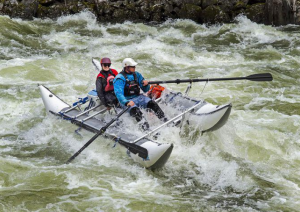
Outdoor Play raftingWhile self-bailing rafts have a lot of benefits, catarafts aren’t for everyone. The narrow, lightweight frames of catarafts don’t leave much room for overnight gear. The lack of a centre pontoon means passengers can’t put everything in one place and aren’t as safe as traditional rafts. Unlike a self-bailing raft, a cataraft must be tied onto the pontoons with a rope.

Another advantage of a cataraft is its weight and ease of setup. A cataraft is more maneuverable than a self-bailing raft, which makes it easier to manoeuvre around the river and handle waves. It is also much easier to transport and store than a standard raft. It can even accommodate seven paddlers. So whether you’re planning a family day trip or a romantic weekend with friends, a cataraft can fit the bill.

If you’re looking for a sporty ride, a cataraft is the right choice. Although these boats aren’t as maneuverable as a self-bailing raft, they can be used to float on the water. The only difference between the two is the safety factor. While self-bailing rafts are great for safety, they’re not recommended for whitewater.

Another advantage of a self-bailing raft is its versatility. They don’t need buckets to drain water. That feature can be crucial in higher water levels and a real boon in big rapids. However, some guides argue that self-bailing rafts track better than self-bailing rafts, which means that they don’t have to make as many micro-corrections in the middle of the river.

They are lighter than self-bailing rafts

When choosing a whitewater Outdoor Play rafting, you must consider its size and weight. While they are a little less fast than self-bailing rafts, they’re surprisingly durable and safe. If you plan on navigating swift, boulder-strewn rapids, you may want to opt for a raft. It would be best to consider safety, stability, and ease of use regardless of style. Bushcraft Hungry is a good source of outdoor gear.

The material of the raft’s body will be based on its intended use. Most rafts are made from a combination of three materials: urethane, PVC, and Hypalon. Urethane is light and durable but can be expensive and difficult to store. PVC is less expensive but can be damaged by UV light. Hypalon-constructed rafts have a higher price tag.

A few materials are better than others for rafts. Urethane is lightweight but offers superior resistance to chemicals and UV light. While it’s more expensive than Hypalon, the raft’s overall weight is more manageable. Besides, they are more flexible and easy to roll. Despite its higher price, Hypalon rafts are better than PVC in many ways.

They are more expensive than self-bailing rafts

Regarding materials, there are two main choices: PVC and Hypalon. PVC is cheap and light, while Hypalon is more durable and resistant to chemicals. However, the downside of PVC is that it doesn’t hold up as well to UV rays and other chemicals. To compensate for this weakness, most manufacturers use other coatings on the material to make it more chemically resistant. For example, narrow rafts are more stable but weigh more, and wide ones are easier to control.

They are less expensive than self bailing rafts

The price difference between a self-bailing raft and a bucket raft is mainly due to their different construction. While bucket rafts are made of a solid wooden frame, a self-bailing raft has holes on its floor where water can exit. In addition, a self-bailing raft has a floor made of a thick inflated chamber. As a result, water splashing into the raft moves across the floor, flows over the top, and exits the bottom through the holes.