Protects against UV rays
Regular automotive glass does not protect drivers from UV rays, which can lead to skin cancer. Most UV rays reach the skin, including 99% of UVA rays, which can damage the leather seats in a car. This dangerous ray can cause premature aging and make a person look older than their true age. This exposure is even more dangerous for those who spend a lot of time driving, such as truck and bus drivers. Commuters are especially at risk and can get a significant dose of UVA rays from the sun.
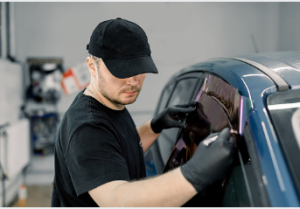 UV rays also damage the leather inside a car, causing it to fade and crack. It is especially problematic for leather seats, which are extremely sensitive to UV damage. UV rays damage glass windows, which can fade the interior and affect window functionality. A car window tinting service can prevent this by protecting the interiors from the sun’s rays.
While there are other benefits to car window tinting, its primary benefit is protection from the sun’s UV rays. The film, applied to automotive windows, can block up to 99% UV rays. This protection can protect the driver from sunburn, wrinkles, and other skin issues. It has been estimated that 53% of skin cancers occur on the driver’s side of the car.
In addition to protecting the skin, car window tinting is also beneficial for the car itself. The film can help reduce the number of UV rays entering the car while letting the natural light in. Another benefit of window tinting is the reduction of heat inside the car.
Reduces glare
Xpert car window tinting is a common option for people who want to reduce glare from the sun. It works by blocking out light in the rear and side windows. The darker the tint, the less light will pass through. A standard tint can block up to 80% of infrared light. More expensive tints can even block up to 99% of UV rays.
Car window tinting can also improve visibility. Blocking glare helps the driver see better at night. The glare from headlights and streetlights can reduce visibility and make it difficult to see objects. It can cause drivers to swerve and not see hazards ahead.
Many accidents happen because of glare. In addition, it can cause a variety of physical and psychological ailments, from headaches to migraines. It can cause the driver to miss the turn in front of them or run a red light. Auto tinting can help reduce glare and improve visual comfort, which is important for safety.
The sun’s glare is a major concern while driving. It can make it difficult to see road signs and is a leading cause of car accidents. Choosing window films that help reduce glare will make driving a safer experience. For example, you can opt for ceramic or vinyl films. While vinyl films are cheaper, ceramic films last longer and are more effective at reducing heat and UV rays.
One way to reduce glare while driving is to hold your hand in front of the side window. You can then slide it straight forward until your thumb is near the left eye. Adding window tint will reduce glare, improve visibility, and minimise sun glare from reflective surfaces.
Blocks harmful UV rays
Not only can car window tinting block harmful UV rays, but it also provides better ventilation for the car. It makes your car feel cooler in hot weather. It can also prevent your air conditioning from becoming too hot. Unfortunately, the sun’s rays can also be distracting while driving since they can be blinding.
In addition to protecting your skin from harmful UV rays, auto window tinting also protects your interior from glare and can improve the value of your vehicle. Adding tinting to your car windows also helps protect your leather seats from fading and protects the colour of your interior.
Reduces cost
Car windows are directly exposed to sunlight, absorbing heat and solar radiation. Moreover, they are large surfaces, absorbing a great deal of light. Hence, getting your car’s windows tinted is important to prevent your interior and exterior from becoming overheated.
Time required to install
The time required to install car window tinting varies from vehicle to vehicle. For example, the time needed to tint a four-door sedan is significantly shorter than that of a two-door coupe. The number of windows in your vehicle also affects the time required. The tinting process may take several hours if your car has several large windows.
The time required to install car window tinting depends on the size and shape of the windows on your car. Generally, a sedan with two doors or a compact SUV will take two hours, while a full-size SUV will take four or more hours. However, if the tinting is done correctly, it will save you a lot of money and help protect your car’s interior.
One of the most common questions people ask when considering car window tinting is how long the process will take. Fortunately, this question is often answered easily by consulting with a tinting service. These professionals can give you an accurate estimate of the time it will take to apply the tinting.
 It is widely accepted that