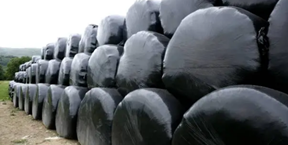
Coastal dairy farms face a persistent silage challenge: moisture persists even after the bunker is sealed. In humid areas such as Gippsland and the South Coast, temperature changes beneath bunker covers can create condensation, allowing water droplets to form on the underside of the sheet. This can create small, damp microclimates where mould and localised spoilage develop. Choosing the right silage plastic can help reduce this risk. Specialised anti-fog formulations control surface condensation and help maintain a more stable environment across the sealed silage face.
Why Condensation Matters in Coastal Silage
A sealed bunker is intended to maintain anaerobic conditions and protect fermented forage from oxygen and moisture. However, temperature differences between the silage, cover and surrounding air can cause water vapour to condense beneath the top-layer sheet.
Rather than remaining evenly distributed, condensation can collect into droplets. These droplets may wet sections of the silage surface and contribute to localised deterioration, particularly where sealing is already compromised.
This makes condensation control an important consideration for dairy operations in humid coastal regions. Gippsland, southern Victoria, and Australia’s South Coast can experience weather conditions in which moisture management becomes particularly important during storage.
How Anti-Fog Silage Plastic Works
Managing Water Droplet Formation
An anti-fog silage plastic cover dairy solution uses additives in the plastic formulation to change how moisture behaves on the sheet’s inner surface. Instead of allowing water vapour to form distinct droplets, the treatment can encourage moisture to spread more evenly across the film.
This reduces the formation of concentrated water droplets beneath the cover. It does not eliminate moisture from the bunker, but it can help reduce the conditions that allow isolated wet patches to develop.
Supporting a More Stable Microclimate
The space immediately beneath a bunker cover can behave differently from the surrounding environment. Temperature and humidity changes can create small internal microclimates, particularly near the upper silage layer.
A properly selected silage plastic with anti-fog properties can help manage condensation across this interface. This is especially useful when combined with good bunker construction, firm packing and effective sealing along the edges.
Choosing an Anti-Fog Bunker Sheet
When comparing silage covers for coastal dairy applications, consider:
● Anti-fog performance: Look for a film specifically formulated to reduce visible condensation droplets.
● Barrier performance: The sheet should provide effective protection against oxygen movement.
● UV resistance: Outdoor storage exposes plastic to prolonged sunlight, making UV stabilisation important.
● Mechanical strength: A durable cover is better able to withstand handling, installation and farm conditions.
● Compatibility with sealing systems: The sheet should work effectively with the bunker walls, weights and sealing layers used on the farm.
Anti-fog technology should not be viewed as a substitute for proper sealing. It is one component of an overall silage preservation system.
Best Practices for Coastal Dairy Farms
Before covering a bunker, ensure the forage is packed tightly, and the surface is reasonably smooth. Apply the silage plastic promptly after filling to minimise unnecessary oxygen exposure.
Use appropriate weights across the cover, paying particular attention to edges, joins and areas where wind could lift the sheet. Inspect the cover regularly and repair punctures or damage as soon as you identify them.
For farms in humid regions, selecting an anti-fog top-layer sheet can complement these practices by helping manage condensation beneath the cover.
Conclusion
Condensation can create small, wet environments beneath bunker covers, increasing the risk of localised mould and spoilage. For dairy farms in Gippsland, the South Coast, and other humid Australian regions, an anti-fog silage plastic cover solution can help manage water droplet formation and support more consistent storage conditions.
The best results come from combining suitable silage plastic, thorough packing, effective sealing and regular inspections. Speak with an agricultural plastics supplier about anti-fog bunker sheets suited to your storage system and local climate.
—
FAQs
1. What causes condensation under silage plastic?
Temperature and humidity differences can cause water vapour beneath the cover to condense into droplets on the film surface.
2. What is anti-fog silage plastic?
It is a specialised plastic film containing additives designed to reduce the formation of distinct water droplets on the underside of the cover.
3. Does anti-fog plastic prevent silage spoilage?
It can help reduce condensation-related risks, but effective spoilage prevention also depends on proper packing, sealing and oxygen exclusion.
4. Is anti-fog silage plastic useful in Gippsland?
It can be particularly relevant in humid coastal and dairy-producing regions where moisture and temperature fluctuations can contribute to condensation beneath bunker covers.
5. How should coastal dairy farms use bunker covers?
Cover packed silage promptly, maintain effective edge sealing, use suitable weights, inspect for damage and consider anti-fog film where condensation is a recurring concern.