PET bottles are hygienic, durable and resistant to microorganism attacks. As a result, they are a good choice for medicine packaging. However, there are concerns that they could pose a health risk to children and pregnant women.
PET bottles are hygienic
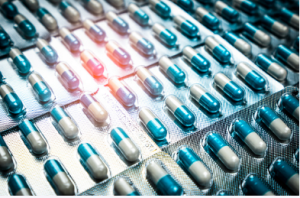 It is widely accepted that pharmpac_NZ PET packaging bottles are hygienic. These containers meet all the standards the Food and Drug Administration (FDA) sets. The materials used for the bottles are biodegradable and resistant to microorganisms. They can also withstand repeated exposure to food. Furthermore, these bottles are lightweight and will not break easily. It makes them an excellent choice for packaging many food and beverages.
While PET bottles are hygienic, they must be stored properly. For example, they should not be stored in the sun and kept at room temperature. However, some bottles made from PET can leach antimony, so it is essential to store them properly.
They are strong
PET bottles for medicines are strong and lightweight and are a natural choice for pharmaceutical packaging. Unlike glass or aluminium, they don’t break under pressure. Their strong, thin walls and excellent gas barrier properties make them ideal for packaging medicines and other pharmaceutical products. The bottles are also extremely lightweight, making them easy to transport and store.
PET is also safe and recyclable. While plastic bottles are not biodegradable, PET bottles are recyclable. As a result, they can be used in medical and non-pharmaceutical products. In addition, PET bottles are accepted in most recycling programs.
They are resistant to attack by microorganisms.
The polyethylene terephthalate (PET) material used in manufacturing bottles for medicines is resistant to attack by microorganisms. This material is approved by the FDA and is safe for contact with food and beverages. Furthermore, PET is transparent and non-reactive to gas, water, and alcohol. Moreover, PET is non-toxic and does not contain BPA, phthalates, or dioxins.
This material has many advantages over glass bottles. It is transparent, strong, shatterproof, and has a glossy finish. In addition, its high melting point makes it suitable for microwavable and hot-filled applications. It is also more affordable than glass and is becoming the packaging material of choice worldwide.
They are lightweight
Medical pharmpac_NZ PET packaging bottles are moulded easily and are strong and lightweight. As a result, they are more resistant to breakage and ideal for storing, mixing, and sampling pharmaceuticals. The resins used in PET bottles are free from heavy metals and have a three-year shelf life. They are also a good choice for all other types of packaging.
They won’t break
One million bottles are produced every minute. Ninety per cent of them end up in landfills, oceans, and parks. Many of these bottles are not recycled and can take hundreds of years to break down naturally. Instead, manufacturers use recycled PET, which is commonly used for textiles. PET contains bisphenol A, which may cause adverse effects on children and fetuses. This chemical is also harmful to the brain and prostate glands of infants.
This lightweight, clear plastic is FDA approved and is made of the same chemicals used for soft drinks and bottled water. PET is also non-toxic, non-carcinogenic, and biocompatible, which means it’s safe for pharmaceutical products. In addition, the European Food Safety Authority, Health Canada, and FDA have all approved PET for food contact. Using this material is an important part of drug development and manufacturing.
They are recyclable
If you are thinking about recycling plastic bottles that contain medicines, the first thing you need to do is to know how to recycle them. Unfortunately, not all bottles can be recycled, depending on their composition. For example, to recycle a medicine bottle, it must be empty. In addition, the size of the bottle is a deterrent for recycling companies.
Many large pharmacies accept empty pill bottles for recycling. However, they may not accept bottles that have labels on them. In addition to recycling these bottles, some programs allow you to donate them. For example, the Matthew 25 Ministries organisation collects empty pill bottles and distributes them to developing countries. They provide instructions for cleaning and packaging them for donation.