banquette seating

Banquette Seating’ Maximizing Small Café Spaces in Adelaide

When it comes to creating cozy and efficient dining areas, banquette seating has become a popular choice for cafés and restaurants in Adelaide, SA. Not only does this seating style offer a sleek, stylish look, but it also provides a practical solution for maximising limited floor space. With Adelaide’s growing café culture, especially in bustling areas like Rundle Mall, Glenelg, and North Adelaide, investing in banquette seating can elevate both customer comfort and business efficiency.

The Benefits of Banquette Seating for Adelaide Cafés

Banquette seating is essentially bench-style seating that runs along a wall, often paired with tables and chairs. For Adelaide café owners, this setup offers several advantages:

1. Space Efficiency – Adelaide cafés often contend with smaller indoor spaces. Banquette seating accommodates more diners along a single wall without overcrowding, making it an ideal choice for compact city-centre venues.

2. Enhanced Comfort – Unlike individual chairs, banquette seating provides continuous support and cushioning, encouraging longer stays. Comfortable seating can improve customer satisfaction and increase repeat visits.

3. Stylish Aesthetic – Banquettes come in a variety of materials, from leather and velvet to sustainable timber and upholstered fabrics. This allows Adelaide cafés to align seating with local design trends, whether aiming for modern minimalism in East End establishments or rustic charm in suburban areas like Norwood or Prospect.

Designing Banquette Seating for Adelaide Spaces

The key to successful banquette seating lies in thoughtful design. Adelaide’s climate and urban layout make it essential to consider factors such as sun exposure, durability, and maintenance. Some design tips include:

● Choosing the Right Materials – Given Adelaide’s warm summers and occasional rainy seasons, durable, easy-to-clean materials like faux leather or treated fabric are practical. For outdoor terraces, weather-resistant timber or metal frames can complement the banquette while withstanding the elements.

● Custom Fit for Space Optimisation – Many cafés in Adelaide have irregular layouts. Custom banquette designs can maximise wall space, corner areas, and nooks that might otherwise go unused. Built-in storage beneath the seating can further enhance functionality, ideal for storing menus, extra cushions, or cleaning supplies.

● Incorporating Local Design Elements – Incorporating locally inspired patterns, fabrics, or timber finishes can give banquette seating a distinctly Adelaidean feel. For example, using warm timber tones from SA forests or cushions with motifs inspired by the Adelaide Hills can make the space uniquely inviting.

Placement and Layout Considerations

Proper placement of banquette seating is crucial. In high-traffic Adelaide streets like Gouger Street or Hutt Street, strategic seating can help maintain smooth customer flow while maximising table capacity. Consider these layout tips:

● Against a Wall – Traditional placement along walls or windows helps save space and encourages group seating.

● Corner Banquettes – Utilising corners creates cozy dining nooks while reducing wasted space.

● Mixed Seating – Pairing banquettes with freestanding tables and chairs allows flexible arrangements for different group sizes, making the café more versatile for lunch crowds and evening diners alike.

Local Trends in Adelaide Café Culture

Adelaide’s café scene values both aesthetics and functionality. Many new cafés in areas like East End, Semaphore, and Glenelg are adopting banquette seating to create visually appealing, sociable environments. The integration of banquettes encourages communal dining, which aligns with Adelaide’s trend of casual, community-oriented cafés.

Moreover, cafés are increasingly blending indoor and outdoor spaces. Banquette seating that continues onto outdoor patios can create a seamless, stylish look, encouraging customers to enjoy both environments comfortably.

Maintaining Banquette Seating

Durability and upkeep are key for Adelaide café owners. Regular cleaning, stain protection, and periodic maintenance of cushioning and upholstery ensure that banquette seating remains inviting and long-lasting. Choosing locally sourced, high-quality materials can also reduce wear and tear, a significant factor for busy urban cafés.

Conclusion

For cafés and restaurants in Adelaide, SA, banquette seating offers a practical and stylish way to maximise small spaces. From increasing seating capacity to enhancing customer comfort and creating a visually appealing environment, banquettes have become an essential feature of modern dining establishments. By carefully considering design, material choice, and placement, Adelaide café owners can transform their spaces into functional, welcoming, and trend-forward venues that keep customers coming back.

Whether you are opening a new café in North Adelaide or updating an existing spot in the CBD, banquette seating offers a versatile solution that meets both aesthetic and operational goals, reflecting the unique character of Adelaide’s thriving café culture.

Modbury electrician

Modbury Electrician’ Essential Electrical Safety Tips Every Homeowner Should Know

Ensuring your home’s electrical system is safe is crucial for protecting your family and property. A certified Modbury electrician can handle complex wiring, but every homeowner should also be aware of basic electrical safety practices. Understanding these precautions can prevent hazards, reduce the risk of fire, and ensure your home remains compliant with safety standards in Modbury, SA. From proper appliance use to routine inspections, these tips are designed to help homeowners maintain a safe and efficient electrical environment.

1. Inspect Electrical Cords and Outlets Regularly

Damaged cords or faulty outlets are common causes of household electrical accidents. Regularly check your cords for fraying, cracks, or exposed wires, and replace any that appear unsafe. Avoid overloading outlets by plugging in too many appliances, as this can cause overheating and potentially a fire. A Modbury electrician can assess your home for overloaded circuits and recommend upgrades if needed, especially in older properties with outdated wiring.

2. Install Safety Devices

Modern homes should include safety devices such as circuit breakers, residual-current devices (RCDs), and surge protectors. Circuit breakers prevent electrical overloads, while RCDs detect electrical current leaks and shut off power instantly to prevent electrocution. Surge protectors safeguard your appliances against voltage spikes caused by storms or power surges. Consulting with a professional Modbury electrician ensures these devices are properly installed and functioning.

3. Maintain Proper Lighting in Key Areas

Poorly lit areas such as stairwells, garages, and outdoor pathways can lead to accidents when combined with faulty electrical systems. Ensure all areas are well lit with safe fixtures, and replace burnt-out bulbs immediately. Motion-sensor lights are also a practical safety feature, particularly for outdoor spaces. Your local Modbury electrician can recommend energy-efficient lighting solutions that improve safety without driving up your electricity bill.

4. Keep Electrical Panels Accessible

Your home’s electrical panel is the central hub for all circuits. Ensure it is easily accessible, clearly labelled, and free from obstructions. In an emergency, quick access to the panel lets you shut off power efficiently. A Modbury electrician can inspect your panel to verify it meets current safety standards and advise on any necessary upgrades, especially if your home has undergone recent renovations.

5. Educate Family Members on Electrical Safety

Children and guests may not recognise potential electrical hazards. Teaching your family about safe practices, such as not touching outlets with wet hands or inserting objects into sockets, is essential. Place safety covers on unused outlets, particularly in households with young children. A Modbury electrician can also provide tips for childproofing your electrical system and suggest products that enhance home safety.

6. Avoid DIY Electrical Work Beyond Your Skill Level

While minor tasks like changing a light bulb are safe for most homeowners, more complex work, such as rewiring, installing new circuits, or repairing damaged outlets, should be handled by professionals. Attempting DIY electrical repairs can result in serious injury or property damage. Engaging a licensed Modbury electrician ensures the work is completed safely and in compliance with South Australian regulations.

7. Regular Professional Inspections

Scheduling a professional inspection at least once every two years can help identify hidden risks in your electrical system. A certified Modbury electrician will check for outdated wiring, faulty outlets, and other potential hazards before they become serious problems. Inspections are especially important for older homes or properties that have experienced frequent power surges or electrical issues.

8. Practice Fire Safety Measures

Electrical fires can start unnoticed and spread quickly. Ensure smoke detectors are installed near bedrooms, kitchens, and living areas, and check their batteries regularly. Keep flammable materials away from electrical appliances and cords. If you detect unusual burning smells, sparks, or flickering lights, turn off the affected circuit and call a Modbury electrician immediately.

9. Upgrade Old Wiring and Appliances

Older homes in Modbury may still have outdated electrical systems that cannot handle modern power demands. Upgrading wiring, replacing old appliances, and installing additional circuits can prevent overloading and improve overall safety. A professional Modbury electrician can assess your system and recommend practical upgrades that protect your home and family.

10. Be Prepared for Emergencies

Always have an emergency plan in case of electrical faults or power outages. Keep the contact details of a trusted Modbury electrician handy, and make sure everyone in your household knows how to turn off the main power supply. Having these precautions in place ensures a swift response, minimising risk and damage.

Maintaining a safe electrical system requires a combination of awareness, preventive measures, and professional expertise. While homeowners in Modbury can adopt these simple practices, partnering with a licensed Modbury electrician ensures that all electrical issues are handled safely and efficiently, in accordance with South Australian safety standards. By prioritising electrical safety, you protect your home, family, and investment from avoidable hazards.

pallet freezer spacers

Pallet Freezer Spacers for Cold Chain Efficiency in Australia’s Food Distribution Industry1

Australia’s food supply chain relies heavily on precise temperature control, especially across industries like meat processing, seafood export, and dairy distribution. One often-overlooked component that significantly improves cold storage performance is pallet freezer spacers. These simple yet highly effective tools help maintain airflow, preserve product quality, and enhance operational efficiency in freezer environments. For Australian businesses managing large-scale cold storage facilities, pallet freezer spacers are becoming an essential part of modern logistics.

Why Pallet Freezer Spacers Matter in Australia

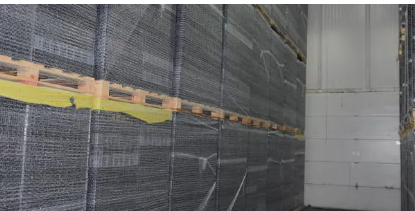
Australia’s geography presents unique challenges for cold chain logistics. With long transport distances between production hubs and urban centres, maintaining consistent freezer conditions is critical. Pallet freezer spacers create uniform gaps between stacked pallets, allowing cold air to circulate evenly throughout the storage area. This ensures that all goods—whether stored in Sydney, Melbourne, or regional Queensland—are kept at optimal temperatures.

Without proper airflow, cold spots and warm zones can develop within freezer rooms. This inconsistency can lead to partial thawing or uneven freezing, ultimately compromising food safety. By integrating pallet freezer spacers into storage systems, businesses can mitigate these risks and maintain compliance with strict food safety standards.

Enhancing Airflow and Temperature Consistency

Airflow management is the cornerstone of efficient freezer operations. Pallet freezer spacers are designed to maintain consistent spacing between loads, enabling refrigeration systems to distribute cold air more effectively. In large warehouses, especially those handling bulk exports, this becomes even more critical.

In industries like seafood export—where Australia is a major global supplier—temperature fluctuations can quickly degrade product quality. Proper spacing ensures that cold air reaches every pallet, reducing the likelihood of spoilage. Additionally, consistent airflow reduces the workload on refrigeration units, thereby extending equipment lifespan and lowering maintenance costs.

Supporting Compliance with Australian Food Standards

Australia enforces stringent food safety regulations to protect both domestic consumers and international trade partners. Businesses must adhere to guidelines set by regulatory bodies such as Food Standards Australia New Zealand (FSANZ). Maintaining uniform freezing conditions is a key requirement, particularly for perishable goods.

Pallet freezer spacers support compliance by minimising temperature variation within storage facilities. By ensuring that products are stored under stable conditions, businesses can reduce the risk of contamination or spoilage. This is particularly important for exporters who must meet international standards in addition to local regulations.

Energy Efficiency and Cost Savings

Energy consumption is a major concern for cold storage operators in Australia. Freezer facilities are among the most energy-intensive environments in the logistics sector. Implementing pallet freezer spacers can contribute to significant energy savings by improving airflow efficiency.

When cold air circulates freely, refrigeration systems do not need to work as hard to maintain target temperatures. This results in lower electricity usage and reduced operational costs. Over time, the investment in pallet freezer spacers can deliver measurable financial benefits, especially for high-volume facilities.

Applications Across Key Australian Industries

Pallet freezer spacers are widely used across several major sectors in Australia’s food industry:

● Meat Processing: Australia is one of the world’s leading exporters of beef and lamb. Maintaining consistent freezing conditions is essential to preserving product quality during storage and transport.

● Seafood Export: With high-value products like prawns and fish, even minor temperature fluctuations can result in significant losses.

● Dairy Distribution: Products such as butter and ice cream require stable cold storage to maintain texture and shelf life.

In each of these sectors, pallet freezer spacers help streamline operations while ensuring product integrity.

Practical Implementation Tips

For Australian warehouse operators considering pallet freezer spacers, a few practical considerations can maximise their effectiveness:

1. Material Selection: Choose durable, food-grade materials that can withstand extreme cold and repeated use.

2. Standardised Spacing: Ensure consistent spacer placement across all pallets to maintain uniform airflow.

3. Integration with Racking Systems: Align spacers with existing storage infrastructure to avoid operational disruptions.

4. Regular Inspection: Periodically check spacers for wear and damage to maintain performance.

By following these best practices, businesses can fully leverage the benefits of pallet freezer spacers.

Adapting to Australia’s Climate Variability

Australia’s climate ranges from tropical in the north to temperate in the south. This variability can affect cold chain operations, particularly during transitions between transport and storage. Pallet freezer spacers help buffer against external temperature fluctuations by maintaining stable internal conditions within freezer units.

Future Trends in Cold Storage Optimisation

As Australia’s food export industry continues to grow, the demand for efficient cold storage solutions will increase. Innovations in warehouse design and refrigeration technology are likely to integrate more advanced airflow management systems. Pallet freezer spacers will remain a fundamental component of these systems due to their simplicity, cost-effectiveness, and proven results.

Automation and smart monitoring systems may also enhance how spacers are used, providing real-time data on airflow and temperature distribution. This will allow businesses to optimise their operations further and maintain a competitive edge in global markets.

Conclusion

In Australia’s demanding cold chain environment, maintaining consistent freezer conditions is non-negotiable. Pallet freezer spacers offer a practical and efficient solution to improve airflow, ensure compliance, and reduce energy costs. From meat processing plants to seafood export facilities, their benefits are clear and measurable.

As the industry evolves, pallet freezer spacers will continue to play a critical role in supporting efficient, reliable, and sustainable cold storage operations across Australia.

health management consulting

Health Management Consulting’ Enhancing Workforce Wellbeing for Australian Businesses

Health management consulting is an essential service for Australian businesses aiming to improve employee well-being, increase productivity, and maintain compliance with workplace health regulations. With growing awareness around mental health, chronic diseases, and workplace stress, companies are seeking expert guidance to develop sustainable health strategies. Health management consulting helps organisations in Australia create tailored programs that address both physical and mental health needs, ensuring employees are supported and engaged, and that businesses remain competitive in today’s dynamic market.

Navigating Workplace Health Regulations in Australia

In Australia, workplace health is governed by standards set by SafeWork Australia and state-specific occupational health regulations. A professional health management consultant can help businesses navigate these requirements while implementing effective wellness initiatives. From risk assessments to the introduction of digital health platforms, consultants provide practical strategies that reduce absenteeism, enhance morale, and boost overall employee engagement. Initiatives might include ergonomic workplace assessments, mental health workshops, flexible work arrangements, or chronic disease management programs—all designed to create a healthier, safer, and more productive work environment.

The Importance of Preventative Care

A key advantage of health management consulting is its focus on preventative care. Australian businesses are increasingly investing in programs that identify health risks early, helping employees manage conditions like diabetes, cardiovascular disease, and stress-related illnesses before they escalate. Consultants can analyse workforce data to determine prevalent health issues and recommend interventions tailored to the organisation’s size, industry, and workforce demographics. By taking a proactive approach, businesses not only improve employee well-being but also reduce long-term healthcare costs, enhance workforce retention, and increase productivity across all departments.

Tailored Solutions for Diverse Workplaces

Health management consulting extends beyond traditional wellness programs. In Australia, cultural diversity and varying work environments require customised solutions. Consultants can advise on programs that respect cultural practices, promote inclusivity, and address workplace challenges specific to their clients. For instance, multinational companies operating in Australia may face communication barriers when implementing health initiatives. A consultant ensures these programs are effective across all employee groups, promoting equitable access to wellness resources and fostering a positive workplace culture where all staff feel supported and valued.

Integrating Mental Health into Wellness Programs

Mental health support is another critical component. With rising awareness of workplace stress, burnout, and anxiety, Australian organisations are prioritising psychological well-being more than ever. Health management consulting can integrate mental health strategies into broader wellness programs, offering services such as resilience training, employee assistance programs (EAPs), mindfulness sessions, and stress management workshops. Addressing mental health proactively creates a more engaged and motivated workforce, reduces absenteeism, and fosters a supportive organisational culture that encourages employees to perform at their best.

Leveraging Digital Health Solutions

Digital health solutions are increasingly important in Australian workplaces. Health management consultants often recommend technology-driven tools such as wellness apps, virtual health assessments, telehealth consultations, and wearable health monitors. These solutions provide employees with convenient access to health resources while allowing organisations to monitor overall well-being trends effectively. Integration of digital health initiatives ensures wellness programs remain flexible, scalable, and measurable, delivering clear benefits to both employees and employers while keeping businesses ahead of evolving health and technology trends.

Cost-Effective Health Strategies

Cost management is another area where health management consulting adds significant value. Implementing workplace health initiatives without expert guidance can lead to inefficient spending or underutilised programs. Consultants help organisations identify high-impact interventions, allocate resources effectively, and demonstrate a clear return on investment. In Australia, where healthcare costs continue to rise, this strategic approach ensures wellness programs are both effective and financially sustainable, while also showing employees that their employer genuinely cares about their health and well-being.

Fostering a Culture of Continuous Improvement

Finally, health management consulting encourages a culture of continuous improvement. Australian businesses benefit from ongoing evaluations of their wellness programs that measure employee engagement, health outcomes, and program effectiveness. Consultants provide actionable insights and recommendations for optimisation, ensuring organisations can adapt to evolving health trends, regulatory changes, and workforce needs. By fostering a culture that prioritises health and well-being, companies enhance productivity, strengthen employee loyalty, and improve organisational reputation, ultimately gaining a competitive edge in the market.

Conclusion: Why Australian Businesses Need Health Management Consulting

In conclusion, health management consulting is a vital resource for Australian businesses seeking healthier, more productive workplaces. By combining preventative care, culturally sensitive programs, mental health initiatives, digital solutions, and cost-effective strategies, consultants deliver comprehensive wellness programs tailored to the Australian workforce. Investing in health management consulting enables organisations to meet regulatory requirements, reduce absenteeism, and cultivate a thriving workforce—ultimately driving long-term business success and positioning Australian businesses as leaders in workplace well-being.

physio Woodville

Physio Woodville’ How Physiotherapy Treatment Plans Are Designed in Woodville, SA

Understanding how physiotherapy treatment plans are designed can help patients make more informed decisions about their recovery journey. In Woodville, South Australia, care is increasingly patient-centred, evidence-based, and tailored to individual needs. Many people searching for physio Woodville services are often surprised by how structured and methodical the planning process actually is. A treatment plan is not just a list of exercises—it is a clinically reasoned roadmap built around diagnosis, functional goals, and long-term outcomes.

At its core, a physiotherapy plan is designed to restore movement, reduce pain, and improve physical function. In Woodville clinics, physiotherapists typically begin with a comprehensive assessment before prescribing any treatment. This ensures that every intervention is purposeful and measurable. The approach combines clinical expertise with patient goals to create a plan that is both practical and adaptable.

Initial Assessment: The Foundation of Every Treatment Plan

The first stage in developing a physiotherapy treatment plan involves a detailed assessment. This includes reviewing medical history, understanding the mechanism of injury, and evaluating current symptoms. In a typical physio Woodville consultation, clinicians will also assess posture, joint mobility, muscle strength, and movement patterns.

This assessment phase is critical because it identifies the root cause of the problem rather than just treating symptoms. For example, lower back pain may stem from hip stiffness, poor core stability, or occupational strain. By identifying these contributing factors early, physiotherapists in Woodville, SA (South Australia) can develop a targeted, efficient rehabilitation strategy.

Patient input is also central at this stage. Goals such as returning to work, resuming sport, or improving daily mobility help shape the treatment plan. Without clear goals, even the best clinical interventions can lack focus.

Clinical Reasoning and Goal Setting in Physiotherapy Planning

Once the assessment is complete, physiotherapists apply clinical reasoning to translate findings into actionable goals. This step is where experience and evidence-based practice intersect. A structured physio Woodville program will typically include both short-term and long-term goals, ensuring progress is measurable and sustainable.

Short-term goals may include reducing inflammation, improving range of motion, or managing acute pain. Long-term goals often focus on functional recovery, injury prevention, and strengthening. For example, a patient recovering from a knee injury may first aim to regain full extension before progressing to jogging or sport-specific drills.

Treatment plans are also prioritised based on severity and functional limitation. This means that more urgent impairments are addressed first, while secondary issues are gradually incorporated into the program. This staged approach reduces the risk of re-injury and ensures steady progression.

Treatment Modalities and Individualised Intervention Strategies

Physiotherapy treatment plans are highly individualised and may include a combination of manual therapy, exercise prescription, education, and technology-assisted rehabilitation. In physio Woodville clinics, therapists often use hands-on techniques, such as joint mobilisation and soft-tissue therapy, to reduce pain and improve movement efficiency.

Exercise therapy is a cornerstone of most treatment plans. These exercises are carefully selected based on the patient’s condition, fitness level, and recovery stage. They may include strengthening exercises, balance training, or functional movement drills that replicate real-life activities.

Education is another key component. Patients are taught to manage their condition independently, including posture correction, load management, and injury-prevention strategies. This empowers individuals to take an active role in their recovery rather than relying solely on clinic visits.

In some cases, additional tools such as ultrasound therapy, dry needling, or taping may be used to support rehabilitation. However, these are always supplementary to the core principles of movement and exercise-based recovery.

Monitoring Progress and Adjusting the Treatment Plan

A well-designed physiotherapy plan is not static—it evolves over time. Regular reassessment allows physiotherapists to measure progress and make necessary adjustments. In a physio Woodville setting, follow-up sessions are used to track improvements in pain levels, mobility, strength, and functional ability.

If progress is slower than expected, the treatment plan may be modified. This could involve adjusting exercise intensity, introducing new techniques, or revisiting the original diagnosis. Conversely, if recovery is progressing well, the plan may be advanced to more challenging exercises or reduced in frequency.

This dynamic approach ensures that treatment remains effective and aligned with patient recovery. It also helps prevent stagnation and keeps patients engaged in their rehabilitation journey.

Patient Engagement and Long-Term Recovery Planning

Successful physiotherapy outcomes depend heavily on patient engagement. Even the most well-designed treatment plan will be less effective without consistent participation. At physio Woodville practices, patients are encouraged to actively participate in their rehabilitation both in and out of the clinic.

Long-term recovery planning focuses on preventing the recurrence of injury. This may include ongoing strength training, ergonomic adjustments at work, or regular maintenance exercises. Physiotherapists also educate patients on recognising early warning signs of potential issues, allowing for early intervention.

In addition, lifestyle factors such as physical activity levels, sleep quality, and stress management are often incorporated into a holistic recovery strategy. This comprehensive approach ensures that treatment extends beyond symptom relief and supports overall well-being.

Conclusion: Structured Care for Lasting Results

Physiotherapy treatment plans are carefully structured, evidence-based, and tailored to individual needs. From initial assessment through to long-term recovery, each stage is designed to promote safe and effective rehabilitation. In Woodville, South Australia, patients benefit from highly personalised care that prioritises both immediate recovery and long-term function.

By understanding how these plans are developed, individuals can better engage with their

treatment and achieve more meaningful outcomes. Whether recovering from injury, managing chronic pain, or improving mobility, a well-designed physiotherapy plan provides a clear and structured pathway toward better health and function.

physio in Findon

Physio in Findon’ How Long Does Physiotherapy Take to Work’ A Complete Recovery Timeline Guide

If you’ve recently been injured or are dealing with persistent pain, one of the first questions you’ll likely ask is how long recovery will take. Many patients searching for physio in Findon want clear expectations before starting treatment—especially when balancing work, sport, or family commitments in the western suburbs of Adelaide. The truth is that physiotherapy does not follow a one-size-fits-all timeline. Instead, recovery speed depends on the condition, severity, lifestyle factors, and how consistently treatment plans are followed.

In Findon, SA, physiotherapy clinics commonly treat everything from sports injuries and post-surgical rehabilitation to chronic back and neck pain. Understanding how long physiotherapy takes to work helps set realistic goals and improve treatment adherence, ultimately leading to better outcomes.

What Influences How Fast Physiotherapy Works?

The time it takes for physiotherapy to show results depends on several clinical and personal factors. Injury type is the most significant. Acute issues like mild muscle strains or sprains often improve within 1–3 weeks, while more complex conditions, such as ligament tears or post-operative rehabilitation, may take several months.

Chronic pain conditions—such as long-standing lower back pain or repetitive strain injuries—tend to improve gradually because they require nervous system retraining, strength rebuilding, and movement re-education.

Consistency also plays a major role. Patients attending physio in Findon clinics typically receive home exercise programs that are just as important as in-clinic treatment. Those who complete exercises regularly often experience faster improvement than those who rely solely on hands-on therapy.

Age, general fitness level, sleep quality, and nutrition also influence healing speed. For example, individuals with higher baseline strength and mobility often recover more quickly, while those with sedentary lifestyles may need longer rehabilitation periods.

Finally, the specific treatment approach matters. Evidence-based physiotherapy that combines manual therapy, exercise prescription, and functional training tends to deliver faster, more sustainable results than passive treatment alone.

Typical Physiotherapy Timelines for Common Conditions

While every patient is unique, there are general recovery timelines that can help guide expectations.

For minor soft tissue injuries, such as mild muscle strains or ligament sprains, noticeable improvement often occurs within 1–2 weeks, with full recovery in 3–6 weeks. Moderate injuries may take 6–12 weeks, depending on the extent of tissue damage and adherence to rehabilitation.

Post-surgical rehabilitation, such as ACL reconstruction or rotator cuff repair, is significantly longer. These cases often require 3–6 months of structured physiotherapy, sometimes extending up to 9–12 months for full return to sport or heavy physical activity.

Chronic conditions present a different challenge. Long-term back pain, for instance, may begin improving within 2–4 weeks of consistent therapy, but meaningful long-term change often requires 8–12 weeks or more of progressive strengthening and movement correction.

Patients seeking physio in Findon for postural issues or workplace-related strain often notice early symptom relief within a few sessions. Still, lasting correction typically takes several weeks of guided exercise and ergonomic adjustment.

It’s important to understand that early improvements—such as reduced pain or improved mobility—do not always indicate full recovery. Physiotherapists focus on restoring function, preventing recurrence, and ensuring tissues are strong enough to handle daily demands.

What Happens in the First Few Weeks of Treatment?

The initial phase of physiotherapy focuses on assessment, pain reduction, and identification of movement limitations. During the first one to three sessions, your physiotherapist will usually conduct a detailed physical examination, assess strength and mobility, and develop a tailored treatment plan.

At this stage, treatment may include manual therapy, gentle mobility exercises, and education about movement habits that could be contributing to the issue. Patients attending physio in Findon clinics often experience early symptom relief due to reduced inflammation and improved joint mobility.

However, this phase is only the beginning. The body still needs time to adapt structurally. Pain reduction does not always equal tissue healing, which is why physiotherapists gradually progress exercises to build strength and resilience.

Why Progress Can Vary Between Individuals

Even when two people have the same diagnosis, their recovery timelines can differ significantly. One major reason is movement behaviour. Individuals who remain active within safe limits tend to recover faster than those who avoid movement entirely.

Psychological factors also play a role. Stress, anxiety, and fear of pain can slow recovery by increasing muscle tension and reducing movement confidence.

Access to care is another factor. Regular appointments combined with structured home exercises typically accelerate progress. In contrast, inconsistent attendance or incomplete exercise programs often lead to slower improvement or recurring symptoms.

Lifestyle factors such as smoking, poor sleep, and poor nutrition can also delay tissue repair. In contrast, good hydration, balanced nutrition, and adequate rest support faster recovery.

Patients attending physio in Findon are often guided through education strategies that help them understand pain science and recovery expectations, which improves engagement and long-term outcomes.

How to Speed Up Physiotherapy Results

While healing cannot be rushed, it can certainly be optimised. Following your physiotherapist’s advice closely is the most effective way to improve recovery speed. Completing prescribed exercises consistently helps reinforce strength and mobility gains made during sessions.

Staying active within pain-free limits is also important. Complete rest is rarely recommended except in acute injury phases. Instead, controlled movement encourages circulation and tissue repair.

Good sleep is another key factor. Most muscle and tissue recovery occurs during deep sleep cycles, so poor sleep quality can significantly slow progress.

Communication with your physiotherapist is equally important. Reporting changes in pain, mobility, or function helps adjust your treatment plan appropriately.

In Findon, SA, local physiotherapy clinics often emphasise a combination of manual therapy, progressive loading, and functional movement training to ensure long-term results rather than short-term symptom relief.

When Should You Expect Full Recovery?

Full recovery depends on the nature of the condition and your personal goals. For minor injuries, full recovery may occur within a month. For moderate injuries or postural issues, expect 6–12 weeks. For surgical rehabilitation or chronic conditions, recovery may extend over several months.

If you are attending physio in Findon, your physiotherapist will typically reassess progress every few weeks to ensure the treatment plan is effective. If progress is slower than expected, adjustments will be made to exercise intensity, manual therapy techniques, or load management strategies.

Ultimately, physiotherapy is a progressive process rather than an instant fix. The key to success is consistency, patience, and a structured plan tailored to your specific condition.

With the right approach, most patients see meaningful improvement within a few weeks and continue building strength and function over time, leading to long-term recovery and reduced risk of reinjury.

COLORBOND roofing Adelaide

COLORBOND roofing Adelaide’ How Long Does COLORBOND Roofing Last’ Lifespan, Durability, and Maintenance Tips

COLORBOND roofing Adelaide homeowners rely on has become one of the most trusted metal roofing solutions across South Australia due to its balance of durability, aesthetics, and climate resistance. With Adelaide’s hot summers, coastal winds, and occasional heavy storms, choosing a roof that can withstand variable conditions is essential. Understanding how long COLORBOND roofing Adelaide lasts—and what affects its lifespan—helps property owners make informed decisions about installation, maintenance, and long-term value.

In most cases, COLORBOND steel roofing is engineered to last for decades, often outperforming traditional roofing materials like concrete tiles or untreated metal sheets. However, its true lifespan depends on environmental exposure, installation quality, and ongoing maintenance practices. For homeowners considering COLORBOND roofing Adelaide options, knowing these factors can significantly influence long-term performance and cost efficiency.

Lifespan Expectations and What Impacts Durability

On average, COLORBOND steel roofs can last between 30 and 50 years, and in many cases even longer when properly maintained. The steel core is protected by multiple layers, including a corrosion-resistant metallic coating and a baked-on paint finish designed to withstand UV exposure. This multi-layer protection system is what gives COLORBOND its reputation for longevity in harsh Australian climates.

In Adelaide specifically, roofing materials must cope with intense UV radiation during summer, salt-laden air in coastal suburbs like Glenelg and Henley Beach, and sudden temperature fluctuations. These conditions can accelerate wear on lower-quality materials, but COLORBOND roofing Adelaide installations are engineered to resist fading, peeling, and rusting under such stress.

Several factors directly influence lifespan:

● Installation quality: Poor installation can lead to water pooling, fastener corrosion, or ventilation issues.

● Environmental exposure: Coastal salt air can slightly reduce lifespan if maintenance is neglected.

● Roof pitch and drainage: Flat or low-slope roofs may experience more debris buildup and moisture retention.

● Material grade: Premium COLORBOND variants offer enhanced corrosion resistance, especially in marine environments.

When installed correctly, many Adelaide homes report minimal performance decline even after 20–30 years of service, reinforcing the material’s long-term value proposition.

Durability Performance in Adelaide Conditions

One of the key reasons homeowners choose COLORBOND roofing Adelaide solutions is its ability to perform reliably in South Australia’s diverse climate zones. Unlike traditional roofing materials that may crack, warp, or absorb moisture, COLORBOND steel maintains structural integrity during thermal expansion and contraction.

The heat-reflective technology in modern COLORBOND finishes also helps reduce heat absorption, improving indoor comfort during Adelaide’s peak summer months, where temperatures can exceed 40°C. This not only improves energy efficiency but also reduces strain on air conditioning systems.

Wind resistance is another critical advantage. Adelaide can experience strong seasonal winds, especially in exposed coastal and hillside areas. Properly installed COLORBOND roofs are designed with secure fastening systems that resist uplift and vibration, reducing the risk of storm damage.

Additionally, the baked-on coating system provides strong resistance against corrosion and UV degradation. Unlike painted metal roofs that may require frequent repainting, COLORBOND surfaces retain their colour and finish for years with minimal intervention. This makes it particularly appealing for homeowners seeking low-maintenance roofing solutions that still deliver a modern aesthetic.

Maintenance Tips to Maximise Roof Lifespan

While COLORBOND roofing is designed for durability, proper maintenance is still essential to achieve maximum lifespan—especially in Adelaide’s variable climate. Fortunately, maintenance requirements are relatively low compared to other roofing systems.

Regular inspections are recommended at least once or twice a year. Homeowners should check for debris accumulation, particularly in valleys, gutters, and drainage points. Leaves and organic matter can trap moisture, which, over time, may affect fasteners or protective coatings.

Occasional cleaning of the roof surface with low-pressure water helps remove salt deposits, dust, and other pollutants. This is especially important in coastal suburbs where salt exposure is higher. Avoid abrasive cleaning methods or harsh chemicals, as these can damage the protective coating.

Gutters and downpipes should also be kept clear to ensure proper water flow. Blocked drainage systems can lead to water pooling, which may reduce the roof’s efficiency and long-term durability.

Another important consideration is repainting or recoating only when necessary. Unlike older roofing systems, COLORBOND roofing Adelaide products are engineered to maintain their finish for decades, so recoating is rarely required unless significant wear is present.

Long-Term Value and Replacement Considerations

Beyond durability, COLORBOND roofing delivers strong long-term value through its extended lifespan and minimal maintenance costs. In Adelaide’s property market, homes with well-maintained metal roofing often appeal to buyers because they reduce future renovation expenses.

Most homeowners will not need to consider roof replacement for several decades, provided the system is properly installed and maintained. When replacement does become necessary, it is usually due to structural upgrades or major renovations rather than material failure.

For those investing in COLORBOND roofing Adelaide systems today, the combination of longevity, thermal efficiency, and weather resistance makes it one of the most cost-effective roofing choices available in South Australia.

In summary, COLORBOND steel roofing typically has a lifespan of 30 to 50 years and performs well in Adelaide’s demanding climate. With proper installation and simple maintenance routines, homeowners can expect decades of reliable protection, energy efficiency, and aesthetic appeal—making it a leading choice for modern roofing across the region.

custom home builder Adelaide

Custom Home Builder Adelaide’ How to Negotiate and Secure the Best Deal on Your Dream Home

Building a custom home is one of the most significant investments you can make, and choosing the right approach to negotiations can have a lasting impact on your budget and overall satisfaction. When working with a custom home builder Adelaide homeowners trust, understanding the local market, construction processes, and contract structures can put you in a strong position from the outset. Adelaide’s unique mix of established suburbs, new developments, and coastal or hills locations means negotiations are rarely one-size-fits-all.

Below is a practical, Adelaide-focused guide to help you negotiate confidently and secure a fair, transparent deal with a custom home builder.

Understand the Adelaide Building Market Before You Negotiate

Preparation is the foundation of successful negotiation. Adelaide’s construction market is influenced by factors such as land availability, council planning requirements, and seasonal demand. For example, building in the Adelaide Hills may involve additional site costs due to sloping blocks, while coastal suburbs can require specific materials to manage salt exposure.

Before approaching a builder, research recent build costs in your target suburb, typical build times, and common inclusions offered locally. This context helps you recognise whether a quote is competitive and where there may be room for adjustment.

Compare Like-for-Like Quotes in Detail

One of the most common mistakes homeowners make is comparing quotes at a surface level. Instead, request fully itemised quotes that clearly outline inclusions, exclusions, allowances, and provisional sums. This is especially important when dealing with a custom home builder Adelaide clients rely on for tailored designs, as customisation can quickly affect pricing.

Pay close attention to:

● Site works and soil classification

● Engineering and council approval costs

● Fixtures, fittings, and appliance allowances

● Energy efficiency and compliance requirements

If one quote appears lower, ask what is excluded rather than assuming it represents a better value.

Negotiate Inclusions and Upgrades Strategically

Rather than focusing solely on reducing the headline price, negotiate on value. Builders are often more flexible with inclusions, upgrades, or timing adjustments than they are with base construction costs.

In Adelaide, common negotiation points include:

● Upgrading insulation or glazing for better thermal performance

● Including landscaping allowances for front façades

● Improving kitchen or bathroom finishes without full redesigns

● Locking in fixed-price site costs where possible

These adjustments can significantly improve your home’s long-term comfort and resale value without dramatically increasing costs.

Understand Contract Types and Payment Structures

Contract structure plays a critical role in managing financial risk. Fixed-price contracts are common in South Australia and provide cost certainty, but only if the scope is clearly defined. Cost-plus contracts can offer flexibility but expose you to price fluctuations.

When engaging a custom home builder Adelaide homeowners recommend, ensure you fully understand:

● How variations are priced and approved

● What triggers additional costs

● The progress payment schedule

● Warranty and defect liability periods

Never rush this stage. A clear contract protects both you and the builder and reduces the likelihood of disputes later.

Use Timing and Market Conditions to Your Advantage

Timing can be a subtle but effective negotiation tool. Builders in Adelaide often experience fluctuations in workload depending on the season and broader economic conditions. If a builder has capacity or is looking to secure projects ahead of a busy period, they may be more open to flexible terms.

This doesn’t mean pushing for unrealistic discounts. Instead, ask about incentives such as faster start dates, extended maintenance periods, or complimentary upgrades that align with the builder’s workflow.

Build a Collaborative, Not Adversarial, Relationship

Successful negotiations are not about “winning” at the builder’s expense. Custom home projects require months of close collaboration, so trust and communication are essential. Be clear about your priorities, budget constraints, and non-negotiables from the start.

A reputable custom home builder Adelaide clients value will appreciate informed, realistic clients who respect the builder’s expertise while advocating for their own interests. This mutual respect often leads to smoother builds, better problem-solving, and more favourable outcomes overall.

Seek Professional Advice When Needed

If you are unsure about contract terms or technical details, consider engaging an independent building consultant or solicitor familiar with South Australian construction law. Their input can help identify hidden risks or negotiation opportunities you may have missed.

This small upfront cost can prevent expensive surprises and strengthen your position during final contract discussions.

Final Thoughts

Negotiating with a custom home builder in Adelaide is about preparation, clarity, and strategic thinking. By understanding the local market, scrutinising quotes, negotiating for value, and fostering a collaborative relationship, you can secure a deal that aligns with both your budget and your vision. With the right approach, working with a custom home builder Adelaide homeowners trust can be a rewarding and well-managed journey from concept to completion.

slimline glass doors

Slimline Glass Doors’ Transforming Adelaide Homes with Style and Light

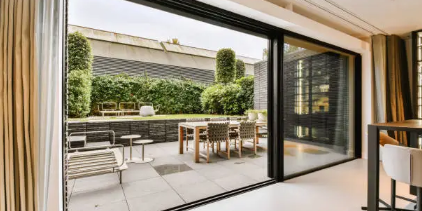
Slimline glass doors are becoming a top choice for homeowners and builders in Adelaide, SA, who want to enhance the beauty, functionality, and natural light of their properties. These sleek, modern doors feature minimal frames, allowing expansive glass panels to create a seamless connection between indoor and outdoor spaces. Whether you are renovating a contemporary townhouse in North Adelaide or adding a modern touch to a home in Burnside, slimline glass doors provide a perfect blend of elegance and practicality.

Why Adelaide Homeowners Are Choosing Slimline Glass Doors

In Adelaide’s temperate climate, maximising natural light is essential. Slimline glass doors allow sunlight to flood living spaces, creating brighter, more inviting interiors. This design not only enhances the aesthetic appeal of your home but also helps reduce energy costs by decreasing the need for artificial lighting during the day. Local homeowners appreciate that these doors can make even smaller spaces feel open and airy, ideal for compact city homes or modern suburban properties.

Beyond aesthetics, slimline glass doors offer practical advantages. They are available in sliding, folding, or hinged configurations, providing flexibility to suit different room layouts. For Adelaide residents looking to connect a living room with a backyard, patio, or balcony, slimline sliding doors are particularly popular. Folding doors, meanwhile, are perfect for wide openings, allowing homeowners to create a seamless indoor-outdoor flow during summer gatherings or family events.

Customisation and Materials for Adelaide Homes

Adelaide builders and suppliers provide a wide range of customisation options for slimline glass doors. Frames are commonly crafted from durable materials such as aluminium or steel, ensuring longevity and minimal maintenance. Homeowners can choose from powder-coated finishes in various colours to match their home’s interior or exterior design. Some suppliers also offer double-glazed or laminated glass for enhanced thermal performance and sound insulation, a key consideration for homes located near busy streets in Adelaide’s inner suburbs.

Safety and security are also critical factors. Modern slimline glass doors come with multi-point locking systems and toughened glass, providing peace of mind without compromising on style. For families in areas such as Glenelg or Unley, these features ensure that children and pets are protected while maintaining an open, airy living environment.

Energy Efficiency and Sustainability

Adelaide residents are increasingly conscious of sustainability and energy efficiency. Slimline glass doors can contribute to greener homes by improving natural ventilation and reducing reliance on air conditioning. When paired with energy-efficient glazing, these doors help maintain comfortable indoor temperatures year-round, reducing energy bills. Many Adelaide suppliers also source aluminium frames made from recycled materials, aligning with environmentally friendly building practices and the city’s push for sustainable living solutions.

Local Installation and Trusted Suppliers

Choosing the right supplier and installer is crucial for achieving the perfect fit and finish. Adelaide offers a variety of reputable local companies specialising in slimline glass doors. Working with a local provider ensures that doors are tailored to the specific dimensions and design requirements of your home. Additionally, local installers understand the unique Adelaide climate, including exposure to sun, wind, and occasional rain, ensuring that your doors are installed for both durability and optimal performance.

Enhancing Property Value

Slimline glass doors are not only a stylish addition but also a strategic investment. Homes with modern, light-filled interiors are more appealing to potential buyers in Adelaide’s competitive property market. By integrating slimline glass doors, homeowners can increase property value while enjoying the benefits of contemporary design and functional living spaces. Whether you are renovating a heritage home in North Adelaide or building a new property in Mawson Lakes, these doors can significantly elevate the overall appeal of your residence.

Tips for Choosing the Right Slimline Glass Doors

1. Consider Your Space: Measure your openings carefully and decide whether sliding, folding, or hinged doors best suit your layout.

2. Focus on Quality: Opt for premium frames and tempered or laminated glass to ensure long-term durability.

3. Prioritise Security: Look for multi-point locking systems and toughened glass to protect your family.

4. Maximise Natural Light: Choose designs with minimal framing to let in as much light as possible.

5. Local Expertise: Work with Adelaide-based suppliers and installers for tailored advice and precise installation.

Conclusion

Slimline glass doors are transforming Adelaide homes, offering a combination of style, light, and functionality that appeals to modern homeowners. From energy efficiency and security to aesthetic appeal and property value, these doors provide numerous advantages for any Adelaide property. Whether renovating an older home or designing a contemporary new build, investing in high-quality slimline glass doors can create a brighter, more inviting living space while reflecting the unique character of South Australia’s capital.

For Adelaide residents, choosing local suppliers and installers ensures that slimline glass doors are not only beautiful but also built to withstand the city’s climate, providing long-lasting performance and elegance for years to come.