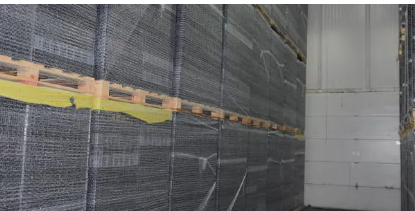
Australia’s food supply chain relies heavily on precise temperature control, especially across industries like meat processing, seafood export, and dairy distribution. One often-overlooked component that significantly improves cold storage performance is pallet freezer spacers. These simple yet highly effective tools help maintain airflow, preserve product quality, and enhance operational efficiency in freezer environments. For Australian businesses managing large-scale cold storage facilities, pallet freezer spacers are becoming an essential part of modern logistics.
Why Pallet Freezer Spacers Matter in Australia
Australia’s geography presents unique challenges for cold chain logistics. With long transport distances between production hubs and urban centres, maintaining consistent freezer conditions is critical. Pallet freezer spacers create uniform gaps between stacked pallets, allowing cold air to circulate evenly throughout the storage area. This ensures that all goods—whether stored in Sydney, Melbourne, or regional Queensland—are kept at optimal temperatures.
Without proper airflow, cold spots and warm zones can develop within freezer rooms. This inconsistency can lead to partial thawing or uneven freezing, ultimately compromising food safety. By integrating pallet freezer spacers into storage systems, businesses can mitigate these risks and maintain compliance with strict food safety standards.
Enhancing Airflow and Temperature Consistency
Airflow management is the cornerstone of efficient freezer operations. Pallet freezer spacers are designed to maintain consistent spacing between loads, enabling refrigeration systems to distribute cold air more effectively. In large warehouses, especially those handling bulk exports, this becomes even more critical.
In industries like seafood export—where Australia is a major global supplier—temperature fluctuations can quickly degrade product quality. Proper spacing ensures that cold air reaches every pallet, reducing the likelihood of spoilage. Additionally, consistent airflow reduces the workload on refrigeration units, thereby extending equipment lifespan and lowering maintenance costs.
Supporting Compliance with Australian Food Standards
Australia enforces stringent food safety regulations to protect both domestic consumers and international trade partners. Businesses must adhere to guidelines set by regulatory bodies such as Food Standards Australia New Zealand (FSANZ). Maintaining uniform freezing conditions is a key requirement, particularly for perishable goods.
Pallet freezer spacers support compliance by minimising temperature variation within storage facilities. By ensuring that products are stored under stable conditions, businesses can reduce the risk of contamination or spoilage. This is particularly important for exporters who must meet international standards in addition to local regulations.
Energy Efficiency and Cost Savings
Energy consumption is a major concern for cold storage operators in Australia. Freezer facilities are among the most energy-intensive environments in the logistics sector. Implementing pallet freezer spacers can contribute to significant energy savings by improving airflow efficiency.
When cold air circulates freely, refrigeration systems do not need to work as hard to maintain target temperatures. This results in lower electricity usage and reduced operational costs. Over time, the investment in pallet freezer spacers can deliver measurable financial benefits, especially for high-volume facilities.
Applications Across Key Australian Industries
Pallet freezer spacers are widely used across several major sectors in Australia’s food industry:
● Meat Processing: Australia is one of the world’s leading exporters of beef and lamb. Maintaining consistent freezing conditions is essential to preserving product quality during storage and transport.
● Seafood Export: With high-value products like prawns and fish, even minor temperature fluctuations can result in significant losses.
● Dairy Distribution: Products such as butter and ice cream require stable cold storage to maintain texture and shelf life.
In each of these sectors, pallet freezer spacers help streamline operations while ensuring product integrity.
Practical Implementation Tips
For Australian warehouse operators considering pallet freezer spacers, a few practical considerations can maximise their effectiveness:
1. Material Selection: Choose durable, food-grade materials that can withstand extreme cold and repeated use.
2. Standardised Spacing: Ensure consistent spacer placement across all pallets to maintain uniform airflow.
3. Integration with Racking Systems: Align spacers with existing storage infrastructure to avoid operational disruptions.
4. Regular Inspection: Periodically check spacers for wear and damage to maintain performance.
By following these best practices, businesses can fully leverage the benefits of pallet freezer spacers.
Adapting to Australia’s Climate Variability
Australia’s climate ranges from tropical in the north to temperate in the south. This variability can affect cold chain operations, particularly during transitions between transport and storage. Pallet freezer spacers help buffer against external temperature fluctuations by maintaining stable internal conditions within freezer units.
Future Trends in Cold Storage Optimisation
As Australia’s food export industry continues to grow, the demand for efficient cold storage solutions will increase. Innovations in warehouse design and refrigeration technology are likely to integrate more advanced airflow management systems. Pallet freezer spacers will remain a fundamental component of these systems due to their simplicity, cost-effectiveness, and proven results.
Automation and smart monitoring systems may also enhance how spacers are used, providing real-time data on airflow and temperature distribution. This will allow businesses to optimise their operations further and maintain a competitive edge in global markets.
Conclusion
In Australia’s demanding cold chain environment, maintaining consistent freezer conditions is non-negotiable. Pallet freezer spacers offer a practical and efficient solution to improve airflow, ensure compliance, and reduce energy costs. From meat processing plants to seafood export facilities, their benefits are clear and measurable.
As the industry evolves, pallet freezer spacers will continue to play a critical role in supporting efficient, reliable, and sustainable cold storage operations across Australia.