In the agricultural landscape of Australia, sustainability is becoming a core priority, and this focus extends to the materials farmers use every day. One such essential farming material is baler twine, crucial for efficiently bundling hay, straw, and other crops. However, as environmental awareness grows, Australian farmers are increasingly seeking eco-friendly baler twine options that reduce environmental impact without compromising performance. This article explores the latest sustainable baler twine solutions available across Australia and how they contribute to greener farming practices.
The Importance of Eco-Friendly Baler Twine in Australian Agriculture
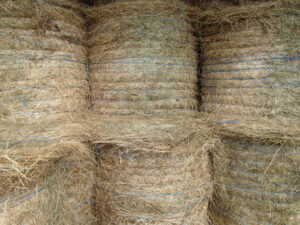
Baler twine is fundamental in hay production and livestock farming, helping bind bales securely for transport and storage. Traditional baler twines are often made from polypropylene or other petroleum-based plastics, which are durable but contribute to plastic waste problems. In Australia, where vast farmlands produce millions of bales annually, the cumulative environmental impact of non-biodegradable twine is significant.
Recognising this, manufacturers and distributors are innovating with eco-friendly baler twine alternatives that align with Australia’s commitment to sustainable agriculture. These options aim to maintain the strength and reliability farmers need while reducing the ecological footprint.
Types of Eco-Friendly Baler Twine Available in Australia
Australian farmers have access to several environmentally friendly baler twine options. These include biodegradable, compostable, and recycled-material twines designed to break down more quickly or use less virgin plastic.
1. Biodegradable Baler Twine
Biodegradable baler twine is crafted from polymers that naturally decompose when exposed to soil microbes, moisture, and sunlight. These twines typically have additives that accelerate degradation, allowing the twine to break down into non-toxic compounds within a defined period, usually 1-3 years. For Australian farmers, biodegradable twine is especially advantageous when baling crops in remote areas where the collection of used twine is challenging, reducing litter and plastic pollution.
2. Compostable Twine
A step further than biodegradable, compostable baler twine is designed to decompose under composting conditions within months, leaving no harmful residues. This type is ideal for farmers incorporating crop residues into soil or using organic farming methods prevalent in regions like Victoria and Tasmania. Australian compostable twines must meet strict certification standards to ensure safety and effectiveness in agricultural environments.
3. Recycled and Recyclable Twine
Twine made from recycled plastics offers a circular economy solution by repurposing existing materials. Australian suppliers are increasingly providing baler twine made from post-consumer recycled polypropylene. While this type is not biodegradable, it reduces reliance on virgin plastics and can be recycled again under proper facilities, helping to close the loop in plastic use.
Benefits of Switching to Eco-Friendly Baler Twine
Adopting eco-friendly baler twine comes with multiple advantages for Australian farmers beyond environmental stewardship:
- Reduced Waste: Less twine ends up in landfill or as litter in paddocks and waterways.
- Compliance with Regulations: Certain Australian states are tightening regulations on farm plastics, encouraging the use of biodegradable options.
- Improved Farm Aesthetics: Degrading twine reduces visual pollution on farms and rural landscapes.
- Support for Sustainability Goals: Aligning with global sustainability trends can enhance farm marketability, particularly for organic and eco-certified products.
Challenges and Considerations for Australian Farmers
While eco-friendly baler twine offers promising benefits, Australian farmers should consider some practical aspects:
- Cost: Biodegradable and compostable twines tend to be more expensive than conventional polypropylene twine. However, many farmers view this as an investment in sustainability.
- Strength and Performance: Some eco-friendly twines may have slightly different tensile strengths or UV resistance, which may require adjustments in baling equipment or techniques.
- Disposal: Although biodegradable, twine must still be managed properly to ensure it decomposes in suitable environments, particularly in regions with less rainfall or low microbial activity.
Where to Source Eco-Friendly Baler Twine in Australia
Australia’s agricultural supply market is responding well to demand for sustainable products. Leading suppliers and manufacturers across New South Wales, Queensland, and South Australia now stock a variety of eco-friendly baler twine brands. Farmers can access these products through specialised agricultural retailers or directly from manufacturers committed to eco-conscious production.
Many suppliers also provide expert advice on selecting the best twine type based on regional climate, crop type, and baling equipment, ensuring that farmers can maintain productivity while minimising environmental impact.
The Future of Sustainable Baler Twine in Australian Farming
The push for greener farming practices in Australia is likely to drive further innovation in baler twine materials. Research into bio-based polymers derived from renewable resources, such as corn starch or sugarcane, is gaining momentum and could soon offer stronger and more affordable options.
Additionally, government incentives supporting sustainable farm inputs and recycling infrastructure improvements will enhance the adoption of eco-friendly baler twine across the country. Australian farmers who invest in these options today position themselves at the forefront of sustainable agriculture, safeguarding their land for future generations.
Conclusion
As the backbone of hay production and crop management, baler twine plays an essential role in Australian agriculture. By choosing eco-friendly baler twine options, farmers can significantly reduce plastic waste, comply with environmental regulations, and support a sustainable agricultural future. With a growing range of biodegradable, compostable, and recycled twines available throughout Australia, the transition to greener baler twine solutions is both feasible and beneficial. Embracing these innovations ensures Australian farming remains productive, responsible, and resilient in an increasingly eco-conscious world.