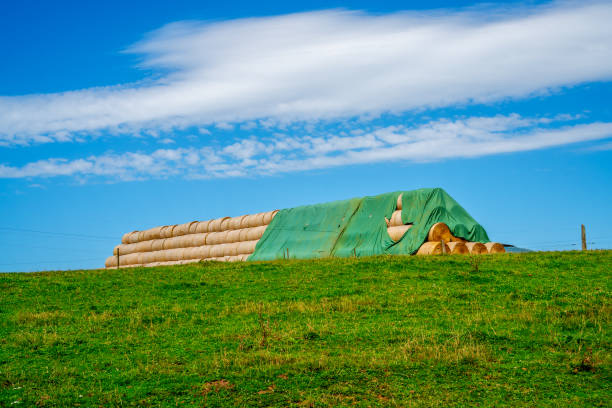
In Australia’s competitive livestock industry, efficiency is the key to profitability. Every kilogram of feed lost to spoilage is money wasted and an opportunity missed to nourish animals effectively. This is where bale wrap plays a vital role—not just as a protective layer, but as an investment in feed quality and farm productivity. By improving preservation, reducing spoilage, and optimising storage, bale wrapping technology is transforming the way Australian farmers manage their fodder.
Why Feed Waste is a Serious Issue for Australian Farmers
Feed waste is more than an inconvenience—it directly impacts livestock growth rates, milk production, and farm revenue. In a country known for its hot summers, unpredictable rainfall, and occasional drought conditions, preserving feed is critical. Poorly stored hay or silage can quickly deteriorate due to exposure to oxygen, moisture, and pests. This results in mould growth, nutrient loss, and a reduction in palatability, leading animals to consume less.
With margins already tight, Australian farmers need a reliable method to safeguard feed value. That’s why more are turning to bale wrapping technology as a cost-effective, high-return solution.
How Bale Wrap Preserves Nutritional Quality
The primary advantage of bale wrapping lies in its ability to create an airtight seal around fodder bales. Once wrapped, the exclusion of oxygen initiates anaerobic fermentation in silage, locking in the crop’s original nutritional value.
For haylage and silage production, this means the protein content, energy levels, and digestibility remain high—essential for keeping cattle, sheep, and goats healthy. Without wrapping, even high-quality fodder can lose up to 25% of its nutritional value before feeding, forcing farmers to buy additional supplements to meet dietary needs.
In practical terms, this preservation process allows livestock to consume more of what’s offered, reducing wastage in feed troughs and improving overall feed conversion efficiency.
Bale Wrap as a Defence Against Weather and Pests
Australian weather can be harsh and unpredictable. From scorching summer heat to sudden downpours, stored feed is constantly at risk. Bale wrap provides a physical barrier against these elements, protecting bales from UV damage, water ingress, and temperature fluctuations.
UV stabilisation in modern wraps ensures they withstand prolonged exposure to the sun without degrading, which is essential in regions like Queensland and Western Australia, where sunlight is intense. Additionally, tightly sealed bales discourage rodents, birds, and insects from accessing and spoiling the feed.
For farmers in coastal areas, bale wrap also prevents salt-laden air from accelerating spoilage—an often-overlooked benefit in feed storage.
Improved Storage and Handling Efficiency
Unlike traditional loose stacking, wrapped bales can be stored outdoors without the need for expensive sheds or covers. This frees up valuable shed space for other uses and allows farmers to store more feed in smaller areas.
Wrapped bales are also easier to transport and handle. They maintain their structural integrity during loading, unloading, and feeding, which means less physical breakage and spillage. For larger-scale operations, this translates to reduced labour time and a more streamlined feeding process.
Cost Savings and Return on Investment
While the initial cost of bale wrapping equipment and materials may seem high, the long-term savings are significant. By reducing feed waste by up to 50% in some cases, farmers quickly recoup the investment.
Additionally, preserved feed retains a higher market value, enabling farmers to sell surplus bales at a premium during periods of shortage. This flexibility strengthens farm cash flow and reduces dependence on purchased feeds when on-farm production falls short.
The real financial win lies in avoiding unnecessary supplementary feeding costs, which can skyrocket during droughts or poor growing seasons.
Best Practices for Maximising Bale Wrap Benefits
To get the most out of bale wrapping, Australian farmers should follow several best practices:
- Wrap promptly – Ideally within a few hours of baling to prevent nutrient loss.
- Use the right number of layers – Typically 6–8 layers for silage to ensure airtight sealing.
- Store on a well-drained site – Avoid placing bales in areas prone to pooling water.
- Inspect regularly – Repair punctures immediately to prevent oxygen ingress.
- Choose a wrap suited to Australian conditions – High UV resistance and durability are crucial.
When these practices are followed, bale wrap consistently delivers on its promise to reduce waste and preserve feed quality.
Conclusion: A Proven Solution for Feed Preservation
In the challenging climate of Australian agriculture, every efficiency counts. Bale wrap isn’t just a storage solution—it’s a proven method of reducing feed waste, protecting nutritional value, and increasing profitability for livestock producers.
By investing in quality wrap and adopting best-practice handling, Australian farmers can ensure their livestock receive the best possible nutrition year-round, while also safeguarding their bottom line.