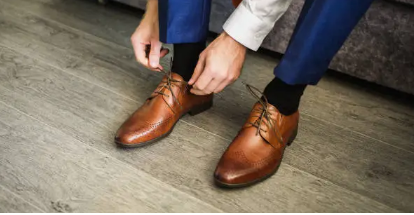
mens shoes

Mens Shoes for Hiking in New Zealand’ Top Shoes for Tramping and Outdoor Adventures

For Kiwi adventurers, choosing the right mens shoes is essential for enjoying New Zealand’s stunning outdoors safely and comfortably. From the rugged trails of the Southern Alps to the coastal tracks of the Coromandel Peninsula, a reliable pair of hiking mens shoes can make all the difference in performance, protection, and overall foot health. This guide highlights top hiking shoes suitable for New Zealand’s unique terrain and weather conditions, helping tramping enthusiasts, weekend hikers, and outdoor explorers find the perfect fit for their next adventure.

Understanding New Zealand’s Hiking Conditions

New Zealand offers some of the most diverse hiking landscapes in the world. Lush forests and volcanic terrain characterise the North Island, while the South Island boasts alpine trails, glacial valleys, and dramatic fjords. Weather conditions can also be unpredictable, with rain, mud, and strong winds frequently affecting trail conditions. Therefore, mens hiking shoes designed for New Zealand must prioritise durability, traction, waterproofing, and reliable ankle support.

Key Features to Look for in Hiking Shoes

Durable Outsoles – NZ trails can be rocky, muddy, or slippery. Shoes with Vibram or similarly robust rubber outsoles offer the necessary grip needed to navigate these surfaces safely and confidently.

Waterproofing and Breathability – Waterproof shoes keep feet dry during river crossings or sudden showers, while breathable materials prevent overheating, blisters, and discomfort on long treks.

Ankle Support – Mid- to high-cut hiking shoes offer ankle protection on uneven terrain, a common feature in mountainous regions such as Fiordland and Tongariro National Park.

Comfort and Cushioning – Long hikes demand shoes with cushioning that absorbs shock and reduces fatigue. Look for options with EVA midsoles or gel inserts for optimal all-day comfort.

Top Men’s Hiking Shoes for New Zealand Trails

1. Salomon X Ultra 4 GTX

Salomon has a reputation for producing high-performance hiking footwear. The X Ultra 4 GTX is ideal for technical trails in New Zealand, offering excellent grip, a lightweight design, and GORE-TEX waterproofing. Its contoured footbed ensures stability on steep ascents and rocky descents, making it a favourite among tramping enthusiasts across all skill levels.

2. Merrell Moab 3 Mid Waterproof

The Merrell Moab series remains a staple for Kiwi hikers seeking durability and long-lasting comfort. The Moab 3 Mid provides solid ankle support, Vibram outsoles, and a breathable, waterproof membrane. It performs well on both forest tracks and mountainous routes, making it highly versatile for adventures in the North and South Islands.

3. Lowa Renegade GTX Mid

For hikers planning extended trips in alpine or mixed terrain, the Lowa Renegade GTX Mid delivers unmatched stability. Its rugged leather construction, combined with GORE-TEX lining, ensures waterproofing and long-term durability, while the Vibram sole handles rocky and muddy trails with ease.

4. La Sportiva Spire GTX

Ideal for more technical tramping routes in areas such as the Southern Alps, the La Sportiva Spire GTX provides excellent traction on loose scree and wet surfaces. Lightweight yet supportive, it strikes the perfect balance between agility, stability, and protection, making it ideal for multi-day hikes or backcountry expeditions.

Caring for Your Hiking Shoes

Maintaining your mens shoes ensures longevity, peak performance, and comfort on New Zealand trails:

Clean after each hike: Remove dirt and debris to prevent damage to the materials.

Dry naturally: Avoid direct heat, which can warp soles, weaken adhesives, and reduce overall durability.

Reapply waterproofing: Regularly apply waterproof sprays or wax to maintain protection against rain, streams, and damp conditions.

Local New Zealand Retailers and Online Options

Popular outdoor retailers such as Torpedo7, Macpac, Kathmandu, and Bivouac Outdoor provide a wide range of men’s hiking shoes ideally suited for local trails. Online platforms often offer reviews from Kiwi hikers, providing valuable insights into the durability, comfort, and performance of hiking gear on New Zealand terrain.

Final Tips for Choosing the Right Hiking Shoes

When selecting hiking shoes for New Zealand adventures, consider:

Trail type and difficulty: Lightweight shoes for day hikes, robust boots for alpine or multi-day treks.

Foot shape and fit: Always try shoes with the socks you intend to wear while hiking.

Climate considerations: Waterproof and insulated shoes are essential in wetter regions, at higher altitudes, or during colder months.

Investing in quality mens shoes for hiking ensures safety, comfort, and a more enjoyable tramping experience across New Zealand’s extraordinary landscapes. Whether navigating lush forest trails, rocky mountain paths, or scenic coastal tracks, the right footwear can turn every outdoor adventure into a memorable, stress-free journey.
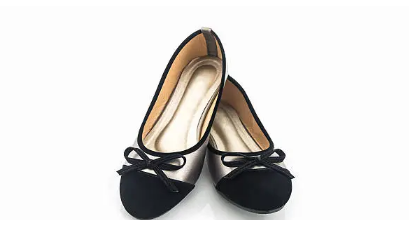
womens flats

How to Style Women’s Flats with Australian Outfits

Women’s flats are a versatile and essential footwear choice for modern Australian wardrobes. From bustling city streets in Sydney to the laid-back coastal towns of Byron Bay, flats offer a perfect blend of comfort, style, and practicality. Whether you’re dressing for work, weekend brunch, or a casual beach stroll, knowing how to style womens flats can elevate any outfit while staying true to Australia’s chic yet relaxed fashion sensibilities.

Pairing Womens Flats with Dresses

One of the easiest ways to style womens flats is with dresses. In Australia, lightweight fabrics and flowing silhouettes are popular due to the country’s warm climate and casual lifestyle. Ballet flats, loafers, or pointed-toe flats pair beautifully with midi or maxi dresses for a feminine, effortless look.

For office-ready ensembles, consider neutral-toned flats with structured dresses. A beige or blush pair complements tailored dresses without drawing attention away from the outfit’s clean lines. Meanwhile, printed or brightly coloured flats can add a playful edge to casual sundresses, making them perfect for weekend outings or garden parties in Melbourne or Perth.

When pairing flats with dresses, ensure the hemline works with the shoe shape. Flats look best with dresses that hit just above the ankle or slightly shorter, allowing the shoes to enhance the outfit rather than be hidden.

Styling Flats with Jeans and Casual Outfits

Jeans are a cornerstone of Australian casual wear, and womens flats are a natural match. Slim-fit or straight-leg jeans paired with loafers or slip-on flats create a polished yet relaxed look, perfect for coffee runs, shopping, or casual Fridays at work.

For a summer-ready outfit, try cropped jeans with lightweight, pointed flats. It exposes the ankles and keeps the outfit airy while showcasing the shoes. In cooler months, darker-colored flats with high-waisted jeans and a cozy knit or oversized blazer create a sophisticated urban look, perfect for Sydney’s CBD or Melbourne’s laneways.

Australian style blends casual and chic. Adding a scarf, statement bag, or minimalistic jewellery can elevate flats-and-jeans combinations, demonstrating effortless style without overcomplicating the outfit.

Incorporating Flats into Workwear

Women’s flats are ideal for professional settings where comfort and style are equally important. In Australian offices, business casual remains the norm, so pairing flats with tailored trousers, pencil skirts, or shift dresses offers a polished appearance without sacrificing comfort.

Opt for leather or suede flats in neutral tones, such as black, tan, or navy, for a classic, office-ready look. Pointed-toe flats elongate the leg line and pair beautifully with ankle-length trousers. Loafers with subtle detailing can add a modern edge to your ensemble.

Choosing Flats for Coastal and Outdoor Settings

Australia’s love for the outdoors and coastal living demands flats that are both practical and stylish. Espadrilles, leather sandals, or casual slip-ons work exceptionally well with casual dresses, linen pants, or shorts for trips to Bondi Beach, Noosa, or the Great Ocean Road.

Neutral or earth-toned flats are versatile for sandy beaches or boardwalks, while water-resistant or easy-to-clean materials keep your shoes in top condition for spontaneous adventures. When styling flats for outdoor settings, consider lightweight fabrics, breathable designs, and a slightly relaxed fit that complements the laid-back Australian vibe.

Accessorising Flats for a Complete Look

Flats may seem simple, but accessories can transform them from basic to statement pieces. Adding ankle straps, decorative bows, or subtle metallic accents can instantly upgrade an outfit. Pairing flats with matching handbags, belts, or delicate jewellery enhances cohesion, making your Australian outfit look thoughtfully styled.

Socks or no-show liners can also influence the overall look. For instance, patterned or textured socks can add personality to a casual outfit, while seamless liners maintain a sleek appearance for professional ensembles.

Seasonal Styling Tips

Australian weather varies from tropical north to temperate south, so styling flats seasonally ensures both comfort and style. During summer, open-back flats, slip-ons, and breathable fabrics keep feet cool while complementing summer dresses or shorts. In winter, closed-toe flats, loafers, or suede options paired with tights or slim trousers provide warmth without compromising on chic appeal.

Layering is another effective strategy. Lightweight jackets, trench coats, or blazers combined with flats can create polished transitional outfits suitable for unpredictable Australian weather.

Final Thoughts

Styling womens flats in Australia is all about balancing comfort, practicality, and chic flair. From pairing flats with dresses, jeans, and workwear to selecting styles suitable for coastal adventures, these shoes are a versatile addition to any wardrobe. The key is choosing flats that complement your outfit, environment, and personal style while reflecting Australia’s relaxed yet sophisticated fashion sense.

By mastering these styling tips, every Australian woman can step out confidently, knowing her flats are not only comfortable but also an essential element of a stylish, contemporary wardrobe.

How to Buy the Right Kids Shoes

When buying shoes for your child, it is crucial to buy the correct size. To do this, you need to know your child’s foot length. To determine this, take out the shoe’s insole and stand your child on it to measure the length. But remember that every child’s foot is different, and you know your child better than anyone else. For example, if your child can’t tie their shoes, it would be best to purchase laceless shoes or Velcro mock-laced shoes.

Size chart for kids’ shoes

kids shoesWhen shopping for your children’s shoes at https://spendless.co.nz/shop-categories/kids.html, selecting the proper size is vital. Kids’ feet grow quickly, so finding a pair that fits properly is crucial. Children’s shoe size charts are an excellent tool for finding the right fit for your child. They offer a detailed look at international and metric measurements and conversions to ensure the perfect fit.

Choosing the correct size for your child’s shoes is essential since they can get too large and impede their walking and playing. Fortunately, several online resources offer helpful information on choosing the correct shoe size. In addition, using a printable guide or tracing technique, you can also measure your child’s foot at home.

The best way to determine your child’s shoe size is to measure both feet. To help make sure your child wears a proper shoe, measure the width of the thumb between the back and the heel of the shoe. It will ensure the shoe is snug but not too tight. Also, make sure that the shoe is supportive and comfortable.

You can also compare kids’ shoe sizes with men’s shoe sizes. Men’s shoe sizes begin at size 6.5, and girls’ shoes begin at size 7. These charts for boys and girls will help you decide what size to buy. There is also youth shoe sizing mats to help you understand a starting point.

Kids’ shoe size ranges from 0 (for newborns) to seven (for the biggest kids). Some brands mark their toddler sizes with a “T” (for toddlers) and their other sizes as “Kids.”

Fit

Choosing the right kids shoes is crucial for your child’s foot development and comfort. The wrong size and shape of shoes can lead to various problems, including deformities and delayed walking. Proper fitting of kids shoes is also crucial, as wearing improperly fitting shoes can lead to blisters and calluses.

When choosing a children’s shoe, the first thing to remember is to measure the width of the longest toe. Then, choose closed-toe athletic shoes that have arch support. Next, look for rubber soles, as these reduce the fall risk. Also, look for children’s shoes with leather lining, as this is a good material for children’s footwear.


In terms of ergonomics, children’s shoes should be flexible. The front third of the toe area should be able to bend and flex. The heel should be high enough to support the back of the foot arch and heel. The heel height should be between five to seven millimetres.

Children’s shoes should be comfortable and supportive but must also have a protective function. Kids’ shoes should not aggravate any existing gait or posture problems. A child’s feet are much more sensitive than an adult’s, and even slight pressure can deform a foot and cause a permanent problem.

In addition, children’s footwear should accommodate the feet of children of all sizes. Researchers have begun to study how kids’ shoes fit, including the toe allowance. A study in the Journal of Orthopedic Research and Analysis (JJRA) reveals that children’s footwear can help children grow and develop properly.

Studies have also examined the biomechanical effects of children’s footwear. According to Caleb Wegener, “The function of kids’ footwear influences the gait of children.” Children’s shoes improve the support phases of the gait cycle while decreasing the swing phase leg speed. They also attenuate some shock and encourage rearfoot striking.