Pool Companies Adelaide: Crafting Your Backyard Oasis with Confidence

Transforming your backyard into a luxurious retreat starts with expert pool installation in Adelaide. As more South Australians seek ways to enjoy outdoor living, installing a pool has become one of the most rewarding home improvement projects. Whether you’re envisioning a sleek lap pool, a family-friendly plunge pool, or a fully integrated outdoor entertaining space, the proper installation process makes all the difference. This article provides an in-depth look at everything you need to know about pool installation in Adelaide, covering planning and design, regulations, and long-term value.

Why Adelaide Homeowners Are Investing in Pool Installation

With Adelaide’s hot, dry summers and an increasing desire for home-based leisure, it’s no surprise that pool installations are on the rise. A professionally installed pool not only enhances lifestyle but also boosts property value. Many Adelaide homeowners are choosing to upgrade their outdoor spaces as an investment in comfort, health, and social enjoyment.

Unlike a simple garden makeover, installing a pool in Adelaide involves strategic planning, expert engineering, and compliance with local regulations. When executed correctly, it yields a feature that enhances aesthetics, utility, and property value.

Choosing the Right Pool for Your Space

There is no one-size-fits-all when it comes to pools. The key to a successful pool installation lies in selecting a pool type and design that aligns with your space, lifestyle, and long-term goals. Popular options in Adelaide include:

  • Concrete Pools: Customisable in size, shape, and finish. It is ideal for those seeking a tailored solution.
  • Fibreglass Pools: Quick to install and low maintenance. Perfect for standard layouts.
  • Plunge Pools: Ideal for small backyards or courtyards with limited space.
  • Infinity Pools: High-end aesthetic appeal with seamless visual lines.

A reputable pool installation expert will help assess your site, considering factors such as soil type, elevation, access points, and sun exposure to recommend the best fit for your property.

Understanding the Installation Process

A high-quality pool installation in Adelaide follows a systematic and professional approach. Here’s a brief breakdown of the typical stages:

  1. Site Inspection and Design: After an initial consultation, your installer will assess your property to ensure suitability. Then comes the design phase, where your vision is turned into a detailed plan.
  2. Council Approvals and Permits: Adelaide City Council and surrounding councils have strict regulations around pool construction. A professional pool builder will manage approvals, ensuring compliance with fencing, safety, and building codes.
  3. Excavation and Base Work: Once permits are obtained, excavation commences. It is a delicate phase where experience and precision matter greatly.
  4. Pool Installation: Whether installing a fibreglass shell or forming concrete walls, this is the core building phase. Plumbing, lighting, and heating systems are also installed.
  5. Finishing Touches: Tiling, decking, fencing, and landscaping complete the look, transforming your yard into a cohesive outdoor oasis.

Professionalism and attention to detail are what distinguish top-tier pool installation companies from average contractors at every stage of the process.

Regulations You Must Know

In South Australia, pool safety is regulated under the Development Act 1993 and the Building Code of Australia. When undergoing pool installation in Adelaide, you must adhere to:

  • Mandatory Safety Barriers: Pools deeper than 300mm require compliant fencing and a self-latching gate.
  • Council Approval: You cannot begin installation without approved plans and building consent.
  • Inspection Requirements: Post-installation inspections are mandatory to certify safety compliance.

Hiring experienced professionals ensures that all aspects of your installation meet legal standards, thereby avoiding delays and costly mistakes.

Pool Features That Add Value

Modern pool installation isn’t just about the water. Today’s pools are designed to integrate with broader outdoor living concepts. Popular features that enhance function and value include:

  • Heating Systems (solar, electric, or gas)
  • LED Lighting for ambience and night-time use
  • Automated Cleaning Systems for easier maintenance
  • Water Features like waterfalls or fountains
  • Smart Pool Controls for remote management via smartphone

Including these features in your pool installation by pool companies elevates the overall experience and makes your outdoor space truly state-of-the-art.

Conclusion:

When done right, pool installation in Adelaide is a game-changing addition to any home. It’s more than just a luxury—it’s a lifestyle enhancement that offers daily enjoyment, boosts property value, and adds visual appeal to your outdoor space.

By partnering with a skilled pool installer who understands local conditions, council requirements, and modern design trends, you ensure that your project is executed smoothly, safely, and successfully.

SUP Foiling: Riding the Wind and Waves

New Zealand’s diverse coastline and strong water sports culture have long made it a haven for surf enthusiasts. In recent years, a thrilling evolution of traditional paddleboarding—SUP foiling—has taken the scene by storm. Combining the glide of stand-up paddleboarding with the lift of a hydrofoil, SUP foiling offers a near-magical sensation of flying above the water. With ideal conditions from Northland to the South Island, New Zealand is fast becoming a hotspot for this emerging sport.

Whether you’re a seasoned paddler or a curious newcomer, SUP foiling in New Zealand opens up new dimensions of water exploration, wave riding, and even flat-water cruising. Here’s what makes it so exciting—and how you can get started.

What is SUP Foiling?

SUP foilingSUP foiling is a form of stand-up paddleboarding that incorporates a hydrofoil mounted beneath the board. The hydrofoil consists of a mast and wings, which generate lift as the board gains speed. This lift causes the board to rise above the water’s surface, drastically reducing drag and giving the rider a smooth, silent ride—even over choppy waves or flat water.

Unlike traditional paddleboarding, SUP foiling allows riders to harness smaller waves, light winds, or boat wakes. It is a versatile and adrenaline-pumping option in a wide range of New Zealand’s marine environments.

Why New Zealand is Perfect for SUP Foiling

New Zealand’s varied coastline provides a treasure trove of foiling opportunities. The country is blessed with numerous sheltered bays, point breaks, and consistent ocean swells—all of which are ideal for stand-up paddleboarding (SUP) foiling.

  • North Island: The east coast of Northland and the Coromandel Peninsula are particularly well-suited, offering long, rolling waves and relatively warm water. The Bay of Plenty and Mount Maunganui also boast conditions that are ideal for beginners and intermediate foilers.
  • South Island: For those further south, places like Sumner Beach in Christchurch and the Otago Peninsula offer wave setups that can be perfect for more experienced riders looking to push their skills.
  • Wellington & Taranaki: These windier regions are ideal for those keen on SUP foil-down winding—a discipline that uses wind-generated swells for long, exhilarating rides across the surface.

With a bit of local knowledge and the right weather, virtually every coastal region in New Zealand has the potential for stand-up paddleboarding (SUP) foiling.

The Benefits of SUP Foiling

One of the key attractions of SUP foiling is its ability to turn small, often overlooked conditions into rideable playgrounds. Here’s what sets it apart:

  • Efficiency: The hydrofoil lifts the board above the surface, eliminating friction and enabling longer rides with less effort.
  • Low-Impact: Because it reduces jarring impacts from choppy water, SUP foiling is often easier on the joints than traditional surfing or paddleboarding.
  • Extended Wave Time: Foilers can ride much further on a single wave than surfers can due to the minimal drag.
  • Versatility: From wave riding to flat-water exploration and downwind foiling, SUP foiling accommodates a range of skill levels and styles.

In a country like New Zealand, where ocean conditions can change quickly, SUP foiling’s flexibility is a major advantage.

Getting Started: Gear and Training

Entering the world of SUP foiling requires some initial investment and guidance, but the payoff is worth it. Here’s what beginners should know:

  • The Board: SUP foil boards are shorter and thicker than standard paddleboards, and their reinforced construction provides support for the foil.
  • The Foil: Beginners should look for a larger front wing for better lift and stability. Aluminium setups are more affordable, while carbon options offer higher performance.
  • The Paddle: A strong, lightweight paddle helps with getting up to speed for takeoff.
  • Safety Gear: A helmet, impact vest, and waist leash are strongly recommended, especially in surf or downwind conditions.

Many New Zealand water sports schools now offer stand-up paddleboarding (SUP) foiling lessons. Locations such as Raglan, Auckland’s Takapuna Beach, and the Abel Tasman region offer ideal learning environments, complete with trained instructors and rental equipment.

Conclusion:

SUP foiling in New Zealand is more than a trend—it’s a revolutionary approach to water sports that seamlessly blends innovation with the natural environment. With ideal coastal conditions, an emerging community, and multiple disciplines to explore, there has never been a better time to try this exciting sport. Whether you’re cruising above a glassy lake or catching endless ocean swells, SUP foiling offers a uniquely Kiwi way to ride the water—fast, smooth, and unforgettable.

Plantation Shutters Adelaide: Elevating the Style and Functionality of Modern Homes

When it comes to enhancing the aesthetics and practicality of your living space, plantation shutters Adelaide homeowners have increasingly turned to offer the perfect blend of elegance, durability, and functionality. Known for their clean lines and timeless design, plantation shutters are more than just a window covering—they are an investment in your home’s style and comfort. In Adelaide’s unique climate, where scorching summers can be followed by chilly winters, plantation shutters offer exceptional control over light, temperature, and privacy, making them an ideal choice for modern households.


Why Plantation Shutters Are Perfect for Adelaide Homes

Adelaide’s Mediterranean climate demands window treatments that can handle extremes in weather while complementing the city’s diverse architectural styles. Plantation shutters excel in this environment because they provide superior insulation during hot afternoons and help retain warmth during cooler months. The adjustable louvres give you control over sunlight penetration, allowing you to reduce glare without completely blocking the view.


plantation shutters Adelaide
Plantation shutters style and functionality

Moreover, these shutters are available in a variety of materials—from sturdy timber to moisture-resistant PVC—making them suitable for any room in the house, including kitchens and bathrooms. This versatility means they can enhance everything from classic character homes in North Adelaide to sleek, contemporary apartments in Glenelg.


Enhancing Curb Appeal and Interior Design

Plantation shutters are renowned for their ability to seamlessly blend with both traditional and modern interiors. In Adelaide, where heritage-listed villas often sit alongside cutting-edge architectural builds, this flexibility is invaluable. A set of well-crafted shutters can boost your home’s street appeal, adding a refined, cohesive look to the exterior.


Inside, they serve as a statement piece that frames your windows beautifully. Whether painted in a crisp white for a fresh, coastal feel or finished in a natural wood stain to bring warmth, plantation shutters can adapt to suit your chosen décor style. Their neat, fitted appearance eliminates the need for bulky curtains, giving rooms a clean and uncluttered look.


Durability That Matches Adelaide’s Lifestyle

One of the key reasons more homeowners are choosing plantation shutters Adelaide suppliers recommend is their long-lasting nature. Unlike fabric blinds that can fade or warp over time, high-quality plantation shutters are designed to withstand years of use. In Adelaide, where the sun’s UV intensity can be harsh, this durability ensures your investment remains in top condition for decades.


Low maintenance is another appealing factor. A simple wipe-down with a damp cloth keeps them looking pristine, and the absence of cords or chains makes them safer for households with children or pets. In coastal suburbs like Henley Beach or Semaphore, PVC shutters are particularly popular because they resist moisture and won’t swell or crack in humid conditions.


Maximising Energy Efficiency

Energy efficiency is becoming an increasing priority for Adelaide homeowners looking to reduce both their bills and their environmental footprint. Plantation shutters act as an extra layer of insulation, keeping hot air out during summer and retaining warmth in winter. This can significantly reduce your reliance on air conditioning or heating systems.


By adjusting the louvres, you can also control natural light to minimise the need for artificial lighting during the day. This combination of temperature regulation and light management makes plantation shutters a smart, eco-friendly choice for sustainable living in Adelaide.


Privacy Without Sacrificing Light

In suburban Adelaide, where houses can be built close together, privacy is often a concern. Plantation shutters offer an elegant solution. You can tilt the louvres to block unwanted views from outside while still allowing natural light to filter in. This feature is especially beneficial in front-facing rooms or street-level windows, providing seclusion without leaving the space feeling dark or closed off.


For upper-level windows or homes with scenic views—like those overlooking the Adelaide Hills—shutters can be fully opened to frame the outdoors, giving you the flexibility to enjoy the best of both privacy and openness.


Customisation for Your Home’s Unique Style

Every Adelaide home is different, and the beauty of plantation shutters lies in their customisation options. You can choose from various louvre widths to create a bold or subtle effect, select colours that complement your interiors, and opt for full-height, café-style, or tier-on-tier designs depending on your needs.


Local suppliers understand the nuances of Adelaide’s architecture and climate, ensuring your shutters are made to measure for a perfect fit. This tailored approach not only enhances the look of your home but also ensures optimal performance in insulation, light control, and ease of use.


The Investment Value

While the initial cost of plantation shutters may be higher than that of other window treatments, their durability, functionality, and aesthetic appeal make them a sound investment. In the Adelaide property market, features like plantation shutters can add to a home’s resale value by appealing to buyers who appreciate both style and practicality.


Because they are a permanent fixture, shutters are often viewed as part of the property’s overall quality, unlike curtains or blinds that may need replacing before selling. For homeowners planning long-term stays or those thinking about future resale, this makes them a strategic choice.


Bringing It All Together

Incorporating plantation shutters Adelaide style into your home is about more than just dressing your windows—it’s about enhancing your living experience. They provide the perfect balance of beauty, comfort, and functionality, suited to the city’s climate and diverse architecture. Whether you’re renovating a century-old sandstone villa or furnishing a modern apartment, plantation shutters can transform your space into something truly remarkable.


From boosting energy efficiency to improving privacy, their benefits are both immediate and lasting. With countless design options, materials, and finishes available, you can tailor them to reflect your personal style while enjoying the peace of mind that comes with a long-term investment. In a city as vibrant and design-conscious as Adelaide, plantation shutters stand out as a timeless choice for the modern home.

Tree Removal Adelaide Hills: Expert Solutions When You Need Them Most

When nature strikes unexpectedly, emergency tree removal in Adelaide Hills becomes a critical service for homeowners, businesses, and local councils. Whether due to storm damage, tree disease, or unexpected hazards, professional tree removal ensures safety, protects property, and restores peace of mind. In the beautiful but rugged terrain of the Adelaide Hills, dealing with unstable or fallen trees requires expert attention and rapid response.

In this article, we’ll explore the importance of emergency tree removal, how to identify when it’s needed, and what to expect from a qualified tree removal service in the Adelaide Hills. For an emergency tree removal, click here.

Why Emergency Tree Removal Is Essential in the Adelaide Hills

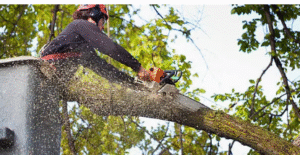
emergency tree removalThe Adelaide Hills region is renowned for its natural beauty, but with that beauty comes the challenge of managing trees in a bushfire-prone, storm-affected area. Trees can become dangerous without warning, and their removal, especially during an emergency, must be handled by qualified arborists with the right equipment and local knowledge.

Common Causes of Emergency Tree Removal:

  • Storm Damage: High winds, lightning, and heavy rain can uproot or break large limbs, posing an immediate threat to homes, roads, and power lines.
  • Disease or Decay: Trees suffering from internal rot or pest infestations can become structurally unsound and fall without notice.
  • Root Damage: Construction, erosion, or soil movement can compromise a tree’s stability, increasing the risk of collapse.
  • Sudden Leaning or Cracking: A sudden shift in a tree’s position is a significant warning sign that it may fall soon.
  • Bushfire Risk Management: During fire season, dead or overhanging trees near structures may need urgent removal to reduce fuel loads.

Signs You Need Emergency Tree Removal

Timely identification of hazardous trees can prevent property damage, personal injury, or disruption to services. Here are some tell-tale signs:

  • Large branches have fallen or are hanging precariously.
  • The tree is visibly leaning or has shifted in position.
  • You notice cracks in the trunk or major limbs.
  • The tree is hollow or has fungal growth, indicating decay.
  • Roots are exposed or lifted from the ground.
  • The tree has been hit by lightning or damaged in a storm.

If any of these signs are present, it’s vital to contact an emergency tree removal service in the Adelaide Hills immediately.

Professional Emergency Tree Removal: What to Expect

Emergency tree removal is not a DIY job. It requires skill, precision, and often specialised machinery. Here’s what you can expect when you call in the professionals:

Rapid Response

Reputable tree removal services in Adelaide Hills offer 24/7 emergency callouts. Quick action is crucial to prevent further damage or injury.

Risk Assessment

Arborists assess the tree’s condition, surrounding environment, and potential hazards to determine the safest method of removal.

Safety-First Procedures

Professionals use cranes, elevated platforms, and rigging systems to safely dismantle dangerous trees, especially those close to buildings or power lines.

Site Cleanup

Once the tree is removed, branches, logs, and debris are cleared away. Many companies offer optional stump grinding to leave the area clean and hazard-free.

Insurance Coordination

Many tree removal providers assist with documentation for insurance claims, especially when the removal is due to storm damage.

Choosing the Right Tree Removal Service in Adelaide Hills

Not all tree services are equal. When selecting a provider for emergency tree removal in Adelaide Hills, look for these key attributes:

  • Qualified Arborists: Ensure the team is certified and experienced in handling emergencies.
  • Fully Insured: Insurance is non-negotiable to protect your property and its workers.
  • 24/7 Availability: Emergencies don’t wait. Choose a service that offers round-the-clock support.
  • Local Knowledge: Providers familiar with Adelaide Hills terrain and vegetation are better equipped for fast, safe removals.
  • Positive Reviews: Client testimonials and reviews are a good indicator of reliability and professionalism.

Conclusion:

Emergency tree removal in the Adelaide Hills is not just a convenience—it’s a necessity when safety and property are at risk. From storm-damaged limbs to structurally compromised trees, acting quickly with the help of qualified professionals can prevent serious hazards and costly damage. With the region’s unique terrain and weather patterns, it’s crucial to rely on experienced arborists who understand local conditions and can respond rapidly when emergencies arise.

IVDD in Dogs Treatment: Surgical Options for Dogs with Severe IVDD

When it comes to IVDD in dogs treatment, early diagnosis, and intervention are crucial, especially in cases of severe disc herniation. In Portland, OR—a city known for its dog-loving community and access to high-quality veterinary care—many pet owners face difficult decisions when their dog experiences severe Intervertebral Disc Disease (IVDD).


IVDD in Dogs Treatment
Treatment options for dogs with severe IVDD

While conservative treatment may work for mild to moderate cases, surgical intervention is often the most effective solution for dogs with significant spinal cord compression or loss of mobility. This article explores the most common surgical options available for dogs with severe IVDD, their effectiveness, recovery expectations, and what dog owners in Portland need to know.


Understanding When Surgery Is Necessary

In severe cases of IVDD, dogs may suddenly lose the ability to walk, show signs of intense pain, or experience incontinence. These symptoms indicate a medical emergency. In such scenarios, surgery is not just an option—it’s often the best hope for recovery. Diagnostic tools like MRI and CT scans are widely available in Portland’s advanced veterinary centres, such as those at Oregon State University’s Veterinary Teaching Hospital and Portland’s own DoveLewis Emergency Animal Hospital.


Surgical treatment aims to relieve pressure on the spinal cord caused by a ruptured or herniated disc. The quicker the intervention—ideally within 24 to 48 hours of losing mobility—the better the chances of full neurological recovery.


Common Surgical Procedures for Severe IVDD

Several surgical techniques are used depending on the location and severity of the disc rupture. Here are the most common procedures used in the treatment of IVDD in dogs treatment:


1. Hemilaminectomy

This is the most commonly performed surgery for thoracolumbar (mid-to-lower back) IVDD. In this procedure, a portion of the vertebral bone is removed to create space and relieve pressure on the spinal cord. It is especially effective in dogs with sudden and severe disc herniation.


Veterinary specialists in Portland frequently perform hemilaminectomies with a high success rate, particularly when performed promptly after symptom onset. Most dogs undergoing this procedure begin to regain mobility within a few weeks, although recovery timelines vary.


2. Ventral Slot Procedure

Used for cervical (neck) disc herniations, the ventral slot procedure involves accessing the spine from the underside of the neck to remove the damaged disc material. While technically more delicate due to the anatomy of the neck, this surgery can yield excellent outcomes.


Recovery Expectations and Post-Surgical Care

After surgery, dogs require strict rest and careful monitoring. Most Portland veterinarians recommend crate rest for four to six weeks along with pain management, anti-inflammatory medication, and physical therapy. Hydrotherapy and laser therapy—widely available in Portland pet rehab centres—can significantly speed up recovery.


For pet owners, the post-surgical period can be challenging, but it is critically important to ensure a successful outcome. Dogs recovering from severe IVDD in dogs treatment often begin to show signs of improvement within the first two weeks. However, full recovery may take three months or more.


Choosing a Surgical Facility in Portland, OR

Portland pet owners have access to some of the best veterinary surgical facilities in the Pacific Northwest. Here are a few trusted institutions:


  • DoveLewis Emergency Animal Hospital – Offers 24/7 emergency care and works closely with board-certified neurologists.
  • VCA Northwest Veterinary Specialists – Known for their comprehensive neurology and surgery services.
  • Oregon State University Veterinary Teaching Hospital – Though in Corvallis, it’s a common referral centre for complex IVDD cases in Portland-area dogs.


Always choose a facility that offers board-certified veterinary neurologists or surgeons with experience in spinal procedures.


Weighing the Costs and Benefits

Surgical costs for severe IVDD can range between $4,000 and $8,000, depending on the procedure and facility. This is a significant investment, but for many Portland pet owners, the potential to restore mobility and quality of life justifies the expense. Pet insurance may cover a portion of the costs if the policy was in place prior to diagnosis.


In severe cases of IVDD in dogs, treatment, surgery often represents the difference between a life of chronic pain or paralysis and one filled with tail wags and hikes through Forest Park.


Final Thoughts: Acting Quickly Saves Lives

If you’re in Portland, OR, and your dog shows signs of severe IVDD—such as sudden paralysis or extreme pain—seek emergency veterinary attention immediately. Surgical options offer the best chance of recovery in these cases. With prompt action and access to Portland’s excellent veterinary resources, your dog has a strong chance of returning to a happy, active life.

Remember: When it comes to IVDD in dogs, treatment is time-sensitive.

Silage Covers: Plastic vs. Woven Covers – Which Option Is Best for Australian Conditions?

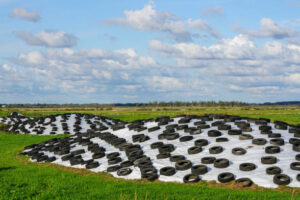
When it comes to protecting forage and ensuring top-quality silage, choosing the right silage covers is crucial, especially in the diverse and often extreme climate of Australia. Farmers across the country must consider not just cost and durability but also performance under harsh UV exposure, heavy rainfall, and pest threats. Two popular options dominate the market: plastic silage covers and woven silage covers. Each has its own advantages and limitations, and making the right choice can significantly impact feed quality and farm profitability.


Understanding Plastic Silage Covers

Silage Covers
Best silage covers for australian conditions

Plastic silage covers are typically made from polyethylene and come in single or multi-layered varieties. These are often black on one side and white on the other to reflect sunlight and minimise heat absorption.


Advantages of Plastic Covers:


  • Superior Seal: Plastic covers are known for providing an airtight barrier, which is essential for reducing oxygen infiltration and minimising spoilage.
  • UV Protection: Many plastic covers sold in Australia are UV-stabilised, allowing them to withstand the country’s intense sunlight for up to 12 months.
  • Widely Available: Plastic covers are commonly stocked by rural supply stores and agricultural suppliers, making them a convenient option for most regions.


Limitations:


  • Environmental Concerns: Single-use plastic creates disposal challenges and is less sustainable.
  • Puncture-Prone: They can be easily torn by birds, livestock, or machinery if not properly weighted or protected.


Despite their drawbacks, plastic silage covers remain a popular choice due to their excellent sealing properties and relatively lower upfront costs.


The Rise of Woven Silage Covers

Woven silage covers are made from high-density polyethylene or polypropylene fibres that are interlaced to form a tough, durable fabric. These are often used as a top layer over an oxygen barrier film.


Advantages of Woven Covers:


  • Extreme Durability: Woven covers are highly resistant to tearing and puncturing, making them ideal for regions with high bird activity or wind.
  • Reusable: Unlike plastic covers, many woven options can be used for several seasons, reducing long-term costs and environmental impact.
  • Lightweight but Strong: They are easier to handle than some heavier plastic variants, especially on large silage pits.


Limitations:


  • Not Fully Airtight: On their own, woven covers do not provide the same oxygen seal as plastic, so they are best used in combination with an airtight inner layer.
  • Higher Initial Cost: The upfront investment in woven covers is higher, though it may be offset over time by their reusability.


Farmers in coastal and tropical parts of Australia—where weather extremes like cyclones or persistent humidity can challenge forage preservation—are increasingly turning to woven silage covers for their resilience and long-term savings.


Climate Considerations in Australia

Australia’s agricultural zones span a wide range, from the arid outback to the temperate southeast and the tropical north. Choosing between plastic and woven silage covers should therefore be aligned with local environmental pressures.


  • In hot, dry regions such as central New South Wales or Western Australia, UV resistance and puncture durability are crucial. Woven covers may perform better in intense solar radiation and wind conditions.
  • In wet, temperate zones such as Tasmania or Victoria, airtight sealing is critical to avoid water ingress and spoilage, giving plastic covers the edge.
  • In cyclone-prone northern Queensland, woven covers tied down securely may offer greater storm resistance than lighter plastic alternatives.


Matching the cover to the climate ensures better silage quality and fewer losses during storage.


Cost vs. Value: Long-Term Investment

While plastic silage covers may seem more cost-effective in the short term, their single-use nature and vulnerability to damage can drive up replacement costs. Woven covers, although pricier at the outset, provide value through reusability and reduced labour during application and removal.


For farms with year-round or multiple silage harvests, investing in a combination system—a plastic oxygen barrier film topped with a reusable woven cover—can provide the best of both worlds: airtight protection and long-lasting durability.


Final Verdict: Choose Based on Your Needs

There is no one-size-fits-all answer when it comes to selecting the best silage covers for Australian conditions. Farmers must weigh their environmental conditions, budget, and management practices to make the best choice.


  • Use plastic covers if you require a cost-effective, airtight seal and are operating in a wetter or cooler part of Australia.
  • Opt for woven covers if you need a robust, reusable solution to withstand harsh sun, wind, or bird activity, particularly in warmer and drier climates.


Ultimately, a hybrid approach using both materials may offer the highest level of forage protection, combining airtight fermentation with mechanical strength.


Choosing the right silage cover is more than just a farm input—it’s a strategic decision that affects feed quality, storage longevity, and overall farm profitability. With the proper knowledge and a location-specific approach, Australian farmers can confidently invest in the silage system that best meets their operational demands.

Commercial Solar Panels: A Business Owner’s Guide to Selecting Commercial Solar Panels

As Adelaide businesses look for ways to lower expenses and operate more sustainably, investing in commercial solar panels has emerged as both a smart and cost-effective solution. With energy prices climbing and a growing push for eco-friendly practices, solar power is becoming a strategic choice rather than just a passing trend. Still, navigating the selection process for the right solar panel system can be challenging. This guide outlines the essential factors to help you make an informed decision.

Why Invest in Commercial Solar Panels?

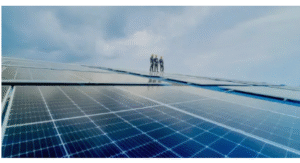
commercial solar panelsBefore diving into the selection process, it’s essential to understand why commercial solar panels are worth the investment:

  • Lower energy bills: Solar power can significantly reduce or even eliminate monthly electricity costs.
  • Sustainability goals: Transitioning to renewable energy helps meet corporate social responsibility objectives.
  • Tax benefits and incentives: Government rebates, tax credits, and depreciation incentives can reduce the initial investment cost.
  • Energy Independence: Protect Your Business from Fluctuating Utility Rates and Potential Power O

With these benefits in mind, let’s explore how to choose the best commercial solar panels for your business.

1. Assess Your Business Energy Needs

Start by reviewing your energy bills. It will help you understand your average consumption and peak usage times. Depending on your business type—whether it’s a warehouse, office, or manufacturing facility—your energy needs may vary significantly.

Your solar provider can use this data to design a system that matches your consumption patterns, ensuring maximum efficiency and savings.

2. Understand Different Types of Solar Panels

There are three main types of commercial solar panels:

  • Monocrystalline panels: Known for their excellent efficiency and sleek appearance. Ideal for businesses with limited roof space.
  • Polycrystalline panels: Slightly less efficient but way more affordable. Suitable for larger roofs with ample space.
  • Thin-film panels: Lightweight and flexible. Best for unconventional roof types or structures that can’t support heavy panels.

Your choice will depend on your budget, roof size, and performance expectations.

3. Evaluate the Quality and Warranty

Quality is crucial when investing in commercial solar panels. Look for panels from reputable manufacturers with a proven track record of excellence. Check product specifications, certifications, and reviews to ensure you make an informed decision.

4. Consider System Efficiency and Performance

System efficiency is a critical factor that impacts your overall savings. Higher-efficiency panels convert more sunlight into electricity, which means greater output and better returns.

Be sure to ask your solar provider about:

  • Panel efficiency rate
  • Performance in low-light conditions
  • Temperature coefficient (how well the panel performs in heat)

These factors affect how well your commercial solar panels perform year-round.

5. Check Installation Requirements

Not every roof is suitable for solar panel installation. A site assessment will determine the following:

  • Roof orientation and angle
  • Available space
  • Structural integrity
  • Potential shading from nearby buildings or trees

In some cases, ground-mounted systems or solar carports may be a better option if the roof is not viable. Ensure that your provider conducts a thorough site inspection before the installation.

6. Choose the Right Solar Provider

Selecting the right installer is just as hugely important as choosing the right commercial solar panels. Work with a licensed and experienced provider who specialises in commercial installations.

When evaluating potential providers, ask about:

  • Their experience with commercial projects
  • Licenses and certifications
  • Project timelines and after-sales support
  • Financing options and incentive assistance

Reading reviews and requesting references can also help you make an informed decision.

7. Explore Financing and Incentive Options

Solar panel systems can be a big upfront investment. Fortunately, there are several financing options to make commercial solar panels more affordable:

  • Power Purchase Agreements (PPAs): Pay only for the electricity you use without owning the system.
  • Solar leases: Fixed monthly payments with maintenance included.
  • Loans: Own the system and benefit from long-term savings and tax incentives.
  • Government incentives: Look for local and federal programs, including the Solar Investment Tax Credit (ITC), rebates, and accelerated depreciation (MACRS).

A qualified solar provider can help you navigate these options and maximise your savings.

Final Thoughts

Investing in commercial solar panels is a remarkably smart move for businesses in Adelaide, enabling them to reduce operating costs and promote sustainability. By understanding your energy needs, selecting the right type of panels, and collaborating with a reputable installer, you can ensure a high-performing system tailored to your business objectives.

Whether you’re motivated by financial savings, environmental impact, or energy independence, switching to commercial solar panels is a significant step toward a brighter, more sustainable future for your business.

Physio Findon: Adapting Physiotherapy Routines with the Changing Seasons

When winter breezes sweep across Beverley, or the summer sun blazes down, residents turn to physio Findon for advice on tailoring physiotherapy routines to match seasonal shifts. In this professional and confident guide, we examine how changing weather conditions in Findon, SA, impact exercise habits, body mechanics, injury risks, and rehabilitation strategies. Whether it’s a gentle coastal breeze or an inland heatwave, your physiotherapy plan should evolve to keep you safe, effective, and on top of your health goals throughout the year.


1. Understanding Beverley’s Climate and Its Impact on Movement

Physio Findon
Adapting physiotherapy routines with the changing seasons

Beverley, nestled within Findon’s bounds, experiences a Mediterranean climate with hot, dry summers, mild springs and autumns, and cooler, wetter winters. Seasonal temperature swings and varying humidity levels significantly influence flexibility, injury risk, and performance. For example:


  • Summer heat can increase muscle fatigue and dehydration risk
  • Winter chill may cause stiffness and joint discomfort.
  • Spring and autumn bring temperate conditions, ideal for outdoor exercises—if scheduled wisely.


A professional physio in Findon recognises this and adjusts routines to match the environment, ensuring exercises are neither too strenuous in heat nor too rigid in cold.


2. Summer Strategies: Beat the Heat, Stay Hydrated, Stay Safe

When temperatures rise above 30°C in Beverley:


  • Timing matters: Avoid midday workouts. Opt for early morning or late afternoon sessions when it’s cooler.
  • Hydration is key. Track fluid intake before, during, and after exercise. Try electrolyte-rich drinks for longer sessions.
  • Cooling techniques: Use cool towels, shaded areas, or indoor air-conditioned spaces to manage core body temperature.
  • Exercise selection: Emphasise low-impact, low-intensity movements, such as aquatic therapy, gentle yoga, or resistance bands, in shaded locations. Heat can amplify inflammation, so scaling back the intensity during summer is smart.


By adapting summer plans, your physio Findon professional ensures continuity in training without overloading your system.


3. Autumn & Spring: Capitalising on Ideal Conditions

Spring and autumn in Beverley offer comfortable temperatures (15–25°C) and moderate humidity, perfect for outdoor rehabilitation and fitness:


  • Embrace variety: Combine indoor precision work (such as balance, core, and mobility) with outdoor cardiovascular sessions (like walking and cycling).
  • Balance load: Mix weight-bearing exercises with dynamic drills to achieve a balanced load. Shoulder and hip stability routines, combined with light cardio, help boost circulation and reduce the risk of seasonal injuries.
  • Outdoor programs: Use local parks or coastal trails near Findon as outdoor “gyms.” These natural settings enhance mental well-being and motivation.
  • Progressive loading: With less strain from heat or cold, physio Findon specialists can safely increase resistance, complexity, or duration.


This sweet spot of weather allows for safe progressions and enriched routine designs, maximising performance and comfort.


4. Winter Wisdom: Keep Warm, Stay Mobile

The winter months bring cooler averages (8–18°C) and increased dampness, which increase the risks of muscle stiffness and joint pain. Your physio Findon practitioner may recommend:


  • Extended warm-ups: Start with 10–15 minutes of gentle cardio or dynamic stretching to warm up your muscles and increase blood flow and circulation.
  • Layered clothing: Dress in breathable, moisture-wicking layers to maintain warmth without overheating during workouts.
  • Indoor options: Consider swimming, Pilates, or physiotherapy in heated indoor settings to maintain walkable environments without compromising flexibility.
  • Focus on mobility: Exercises targeting the ankle, knee, and shoulder joints are vital for counteracting seasonal stiffness. Add foam rolling, manual therapy techniques, and joint mobilisations to your routine.
  • Prevent colds and flu: With higher illness incidence, integrating immune-support strategies like adequate rest, balanced nutrition, and stress management is essential.


These practices help maintain consistency, decrease injury rates, and support overall health during colder months.


5. Tailoring Rehabilitation Seasons to Personal Conditions

Injuries and chronic conditions react differently with seasonal changes. A tailored approach highlights:


  • Arthritis management: Cold and damp can exacerbate joint discomfort, so warming modalities and modified exercise intensity are key.
  • Post-operative care: Physio Findon experts adjust rehabilitation schedules to allow for gentle, steady progression, especially in slippery or cold weather conditions.
  • Sports-specific adaptation: Athletes near Beverley require season-aware plans, such as incorporating ice baths in winter or implementing adequate cool-downs in summer.
  • Chronic pain protocols: Regular check-ins and gradual exercise management reduce pain flare-ups caused by weather sensitivity.


Seasonal adjustments ensure consistency in progress and adaptations unique to each client’s recovery journey.


6. Practical Tips from a Physio Findon Perspective


  1. Build a weather-check habit. Review temperature and humidity forecasts before planning the day’s workout.
  2. Carry a “seasonal kit” That Includes layers, sun protection, hydration, and heat packs, depending on the current weather demands.
  3. Monitor self-smart: Use wearables or simple observation to track signs like dehydration, fatigue, stiffness, or soreness.
  4. Regular tune‑ups: Schedule quarterly visits to your local physio Findon clinic to reassess goals, technique, and seasonal readiness.
  5. Community support: Join Findon-area classes or outdoor group sessions in favourable seasons—accountability improves results and adherence.


7. Looking Ahead: Embracing Every Season

Adapting physiotherapy routines to Beverley’s seasons brings consistency, safety, and enhanced performance. Understanding how heat, cold, humidity, and daylight affect your body—and working with a skilled physio like those in Findon—ensures year-round wellness. With thoughtful planning, seasonal kits, and local expertise, your routine evolves with the weather rather than resisting it.


By partnering with a local expert and embracing each season’s potential, you’ll maintain momentum, prevent injuries, and thrive in movement, no matter what the forecast brings in Findon, South Australia.

Pallet Freezer Spacers: A Key Tool for Maintaining Product Quality

In the highly competitive Australian food export market, maintaining product quality from freezer to consumer is paramount. One often overlooked but essential component in this process is pallet freezer spacers. These specialised tools play a critical role in ensuring that frozen goods retain their freshness, texture, and safety during storage and transit. As Australia’s meat, seafood, and agricultural exports continue to grow, the demand for efficient cold chain solutions like pallet freezer spacers has never been higher.


What Are Pallet Freezer Spacers?

Pallet freezer spacers are modular inserts or devices placed between pallets of frozen goods to create consistent gaps for optimal airflow. This spacing allows cold air to circulate evenly throughout the stacked pallets in a freezer or cold storage facility. Without these spacers, pallets are often stacked tightly together, creating cold spots and warm spots that can compromise the integrity of the products.


pallet freezer spacers
pallet freezer spacers for maintaining product quality

These spacers can be made from durable plastics, metals, or composite materials and are designed to withstand the harsh freezing temperatures typical in commercial freezer rooms. Their lightweight design also makes handling easy for warehouse staff.


Why Airflow Matters in Cold Storage

The science behind pallet freezer spacers is rooted in temperature management. Cold air circulation is crucial for:


  • Even Freezing: Proper airflow ensures every pallet, from top to bottom and front to back, stays uniformly frozen.
  • Reduced Freeze-Thaw Cycles: Uneven temperatures cause some products to partially thaw and refreeze, damaging texture and flavour.
  • Energy Efficiency: By facilitating better air circulation, pallet freezer spacers help reduce the workload on refrigeration units, lowering energy consumption and costs.
  • Minimised Spoilage: Consistent cold temperatures slow bacterial growth and enzymatic reactions, preserving product quality.


In Australia, where cold chain logistics often involve long transport routes to international markets such as Asia and Europe, these benefits are vital to maintaining export standards.


Impact on Australian Exporters

Australia is a global leader in meat and seafood exports, with industries heavily dependent on strict cold storage requirements. Exporters face stringent regulations from importing countries requiring proof of consistent temperature control throughout the supply chain. Here, pallet freezer spacers serve as a simple but effective solution to meet these demands.


By improving airflow and temperature consistency, exporters reduce the risk of product rejection due to quality issues. This reliability strengthens Australia’s reputation for premium frozen products and enhances customer confidence worldwide. Furthermore, the ability to optimise freezer space without compromising product safety can translate into greater shipment volumes and profitability.


Choosing the Right Pallet Freezer Spacers for Your Business

Not all pallet freezer spacers are created equal. When selecting spacers, Australian businesses should consider:


  • Material Durability: Plastic spacers resistant to cracking in extreme cold are preferred for longevity.
  • Size and Compatibility: Spacers must fit pallet dimensions and stacking patterns used in your facility.
  • Weight and Handling: Lightweight spacers reduce manual handling fatigue and speed up loading/unloading.
  • Compliance: Ensure spacers meet food safety standards and do not contaminate products.


Some companies are now investing in custom-designed spacers tailored to their specific product types and freezing processes, offering enhanced performance and cost savings.


Future Trends and Innovations

Innovation in pallet freezer spacers is ongoing. Recent advancements in design focus on improving airflow dynamics further while reducing material use for sustainability. In Australia, manufacturers are exploring recyclable and biodegradable materials for spacers to align with the country’s growing environmental commitments.


Additionally, integrating spacers with smart sensor technology to monitor temperature and airflow in real-time is an emerging trend. This allows warehouse managers to proactively adjust storage conditions, ensuring optimal product quality and reducing waste.


Conclusion: An Essential Investment for Quality Assurance

In conclusion, pallet freezer spacers are a critical yet often underappreciated tool in maintaining the quality of frozen products throughout Australia’s cold chain logistics. Their ability to enhance airflow, prevent spoilage, improve energy efficiency, and support export compliance makes them indispensable for businesses serious about product excellence.


For Australian meat, seafood, and agricultural exporters competing on the global stage, investing in high-quality pallet freezer spacers is not just a technical necessity—it’s a strategic advantage that safeguards brand reputation and maximises profitability. So make sure to shop for a high-quality pallet freezer spacer today!

Baler Twine: Eco-Friendly Baler Twine Options Available in Australia

In the agricultural landscape of Australia, sustainability is becoming a core priority, and this focus extends to the materials farmers use every day. One such essential farming material is baler twine, crucial for efficiently bundling hay, straw, and other crops. However, as environmental awareness grows, Australian farmers are increasingly seeking eco-friendly baler twine options that reduce environmental impact without compromising performance. This article explores the latest sustainable baler twine solutions available across Australia and how they contribute to greener farming practices.


The Importance of Eco-Friendly Baler Twine in Australian Agriculture

baler twine
Eco-friendly baler twine

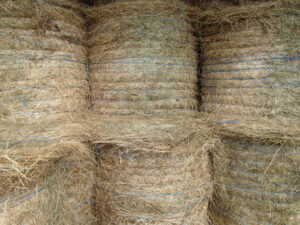
Baler twine is fundamental in hay production and livestock farming, helping bind bales securely for transport and storage. Traditional baler twines are often made from polypropylene or other petroleum-based plastics, which are durable but contribute to plastic waste problems. In Australia, where vast farmlands produce millions of bales annually, the cumulative environmental impact of non-biodegradable twine is significant.


Recognising this, manufacturers and distributors are innovating with eco-friendly baler twine alternatives that align with Australia’s commitment to sustainable agriculture. These options aim to maintain the strength and reliability farmers need while reducing the ecological footprint.


Types of Eco-Friendly Baler Twine Available in Australia

Australian farmers have access to several environmentally friendly baler twine options. These include biodegradable, compostable, and recycled-material twines designed to break down more quickly or use less virgin plastic.


1. Biodegradable Baler Twine

Biodegradable baler twine is crafted from polymers that naturally decompose when exposed to soil microbes, moisture, and sunlight. These twines typically have additives that accelerate degradation, allowing the twine to break down into non-toxic compounds within a defined period, usually 1-3 years. For Australian farmers, biodegradable twine is especially advantageous when baling crops in remote areas where the collection of used twine is challenging, reducing litter and plastic pollution.


2. Compostable Twine

A step further than biodegradable, compostable baler twine is designed to decompose under composting conditions within months, leaving no harmful residues. This type is ideal for farmers incorporating crop residues into soil or using organic farming methods prevalent in regions like Victoria and Tasmania. Australian compostable twines must meet strict certification standards to ensure safety and effectiveness in agricultural environments.


3. Recycled and Recyclable Twine

Twine made from recycled plastics offers a circular economy solution by repurposing existing materials. Australian suppliers are increasingly providing baler twine made from post-consumer recycled polypropylene. While this type is not biodegradable, it reduces reliance on virgin plastics and can be recycled again under proper facilities, helping to close the loop in plastic use.


Benefits of Switching to Eco-Friendly Baler Twine

Adopting eco-friendly baler twine comes with multiple advantages for Australian farmers beyond environmental stewardship:


  • Reduced Waste: Less twine ends up in landfill or as litter in paddocks and waterways.
  • Compliance with Regulations: Certain Australian states are tightening regulations on farm plastics, encouraging the use of biodegradable options.
  • Improved Farm Aesthetics: Degrading twine reduces visual pollution on farms and rural landscapes.
  • Support for Sustainability Goals: Aligning with global sustainability trends can enhance farm marketability, particularly for organic and eco-certified products.


Challenges and Considerations for Australian Farmers

While eco-friendly baler twine offers promising benefits, Australian farmers should consider some practical aspects:


  • Cost: Biodegradable and compostable twines tend to be more expensive than conventional polypropylene twine. However, many farmers view this as an investment in sustainability.
  • Strength and Performance: Some eco-friendly twines may have slightly different tensile strengths or UV resistance, which may require adjustments in baling equipment or techniques.
  • Disposal: Although biodegradable, twine must still be managed properly to ensure it decomposes in suitable environments, particularly in regions with less rainfall or low microbial activity.


Where to Source Eco-Friendly Baler Twine in Australia

Australia’s agricultural supply market is responding well to demand for sustainable products. Leading suppliers and manufacturers across New South Wales, Queensland, and South Australia now stock a variety of eco-friendly baler twine brands. Farmers can access these products through specialised agricultural retailers or directly from manufacturers committed to eco-conscious production.


Many suppliers also provide expert advice on selecting the best twine type based on regional climate, crop type, and baling equipment, ensuring that farmers can maintain productivity while minimising environmental impact.


The Future of Sustainable Baler Twine in Australian Farming

The push for greener farming practices in Australia is likely to drive further innovation in baler twine materials. Research into bio-based polymers derived from renewable resources, such as corn starch or sugarcane, is gaining momentum and could soon offer stronger and more affordable options.


Additionally, government incentives supporting sustainable farm inputs and recycling infrastructure improvements will enhance the adoption of eco-friendly baler twine across the country. Australian farmers who invest in these options today position themselves at the forefront of sustainable agriculture, safeguarding their land for future generations.


Conclusion

As the backbone of hay production and crop management, baler twine plays an essential role in Australian agriculture. By choosing eco-friendly baler twine options, farmers can significantly reduce plastic waste, comply with environmental regulations, and support a sustainable agricultural future. With a growing range of biodegradable, compostable, and recycled twines available throughout Australia, the transition to greener baler twine solutions is both feasible and beneficial. Embracing these innovations ensures Australian farming remains productive, responsible, and resilient in an increasingly eco-conscious world.