The Volkswagen Passat has long been a familiar sight on Adelaide’s roads, admired for its mix of European sophistication, durability, and comfort. Over the decades, VW Passat parts have evolved significantly to keep pace with modern technology, driver preferences, and the unique driving conditions found in South Australia. From its early mechanical simplicity to today’s tech-laden designs, the Passat’s journey tells a fascinating story of adaptation and progress for Adelaide driverVW Passat Parts: The Evolution of Components for Adelaide Drivers.
From Classic Mechanics to Modern Precision
In the earlier decades, the Passat models on Adelaide streets were straightforward in design. Their parts were mechanical in nature, with engines, suspensions, and braking systems that elied on durability rather than digital finesse. Mechanics across Adelaide appreciated this simplicity—repairing and replacing components was often straightforward and affordable.
As the 1990s and early 2000s rolled in, things began to change. Volkswagen started incorporating more advanced materials, lighter alloys, and refined suspension setups. This evolution was partly driven by stricter global regulations and partly by consumer demand for smoother handling on both city roads and longer drives to regions such as the Barossa or Limestone Coast in South Australia. These advancements meant that VW Passat parts became more specialised, requiring not only skilled mechanics but also access to genuine and compatible replacements.
Embracing Adelaide’s Driving Conditions
One of the most significant shifts in the development of Passat components has been their adaptation to Adelaide’s specific driving environment. The city’s blend of stop-start urban traffic, winding hills in the Adelaide Hills region, and longer country roads has placed unique demands on vehicles.
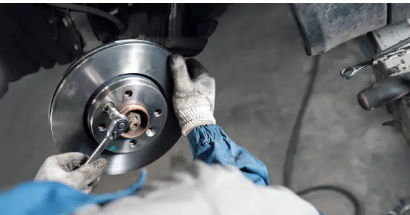
For instance, the evolution of braking systems highlights this adaptation. Older models relied heavily on simple disc and drum setups, but newer Passats incorporate advanced anti-lock braking systems (ABS) and electronic brake-force distribution. These changes have made navigating steep Adelaide Hills roads safer and provided greater confidence during wet winters.
The Technological Leap in Components
The introduction of digital technology has been the most dramatic change in the world of Passat parts. Gone are the days when maintenance meant adjusting carburettors or replacing basic ignition components. Today’s Adelaide drivers benefit from parts that integrate seamlessly with advanced onboard systems.
Engines now feature turbocharging and direct injection, improving fuel efficiency for long commutes between Adelaide and regional South Australia. Meanwhile, electronic control units (ECUs) manage everything from emissions to driver assistance systems. While this makes the Passat more efficient and safer, it also means that repairs often require specialised diagnostic tools, which are available at select workshops in Adelaide.
Even interior parts have advanced. Infotainment systems, digital dashboards, and climate control units are no longer luxuries—they’re integral parts of the modern Passat. For owners, this represents a shift from purely mechanical upkeep to ensuring the software and electronics are updated and functioning as intended. Once again, this highlights the continuous evolution of VW Passat parts to align with changing consumer expectations.
Sustainability and Future Trends
Another noteworthy development is Volkswagen’s focus on sustainability. With Adelaide drivers becoming increasingly conscious of eco-friendly practices, the push for greener automotive solutions has made its way into the Passat. Modern components are designed with recyclability in mind, while hybrid and electric drivetrains are beginning to influence what we consider essential Passat parts.
What This Means for Adelaide Drivers
For Adelaide drivers, the evolution of Passat parts is more than just an engineering story—it directly affects ownership experience. Older Passat models may still be prized for their simpler, mechanical parts that are relatively easy to maintain. Meanwhile, modern Passats deliver a more refined, tech-forward drive, although they require specialised servicing.
Local workshops and suppliers have adapted to this shift, ensuring that both vintage enthusiasts and modern Passat owners can find the parts they need. The evolution also underlines the importance of sourcing genuine components, especially as the cars integrate more sophisticated electronics. With Adelaide’s diverse driving conditions, having reliable VW Passat parts ensures not only smoother performance but also long-term value for South Australian motorists.
Final Thoughts
The story of the Volkswagen Passat in Adelaide is one of constant evolution—shaped by technology, driver needs, and environmental considerations. From sturdy mechanical parts to advanced digital systems, each generation has brought something new to the roads of South Australia. As the city looks to a future of electrification and smarter mobility, one thing remains certain: the evolution of Passat parts will continue to define how Adelaide drivers experience comfort, safety, and reliability on their journeys.