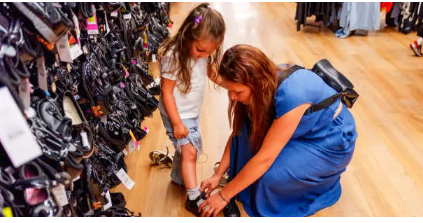
Choosing the right school shoes for children in New Zealand is a crucial decision for parents, as it balances comfort, safety, and convenience. With a variety of options available, the two most popular types of school shoes are slip-on and lace-up. Both styles have their distinct advantages and potential drawbacks, making it essential for parents to understand which choice best suits their child’s needs. This guide examines the advantages and disadvantages of slip-on and lace-up school shoes, enabling Kiwi parents to make an informed decision for their children.
Slip-On School Shoes: Convenience at a Glance
Slip-on school shoes are designed for ease and speed, making them a favourite among younger children or those who struggle with tying laces. In New Zealand, many primary schools accept slip-on styles as part of the standard uniform, particularly in casual or less formal settings.
Pros of Slip-On School Shoes
Quick and Easy to Wear: Slip-ons save time during busy mornings, as children can put them on without assistance. This convenience is especially beneficial for early learners or for families managing multiple children.
Comfortable Fit: Modern slip-on designs often feature elastic inserts or padded interiors, providing a snug fit without pressure points. Children can move freely during school activities, from classroom lessons to outdoor play on the playground.
Low Maintenance: Slip-on shoes generally require less adjustment and are easier to clean than lace-up shoes. Leather or synthetic options can be wiped down quickly, keeping them looking neat for school.
Cons of Slip-On School Shoes
Limited Adjustability: Unlike lace-ups, slip-ons cannot be tightened to fit perfectly. For children with narrow or wide feet, this can lead to slipping, discomfort, or blisters.
Reduced Ankle Support: Some slip-on designs do not provide the structured support that lace-ups offer, which may be a concern for children participating in sports or engaging in active play.
Durability Concerns: Lower-end slip-ons may wear faster at the elastic sections, so parents may need to replace them sooner than well-maintained lace-ups.
Lace-Up School Shoes: Security and Support
Lace-up school shoes remain a classic choice in New Zealand schools, appreciated for their secure fit and robust design. They are often the preferred option for older children and those involved in more physically demanding activities.
Pros of Lace-Up School Shoes
Customisable Fit: Laces allow for precise adjustment, accommodating different foot shapes and providing a secure, comfortable fit. It is especially helpful for children with growing or irregularly shaped feet.
Enhanced Support and Stability: Lace-ups typically provide better ankle and arch support, reducing the risk of slips or injuries during playground activities or sports.
Long-Lasting Durability: High-quality lace-up school shoes, especially leather options, are built to withstand daily wear and tear. They often maintain their shape and support for longer periods, offering good value for Kiwi parents investing in school footwear.
Cons of Lace-Up School Shoes
Time-Consuming to Wear: Tying laces can be tricky for younger children or during rushed mornings. Parents may need to supervise their children until their children are proficient at tying their shoes securely.
Requires Regular Maintenance: Laces can fray or break, and keeping leather or synthetic lace-ups polished requires effort. Some children may find this upkeep cumbersome.
Potential for Uneven Tightening: Incorrectly tied laces can cause discomfort or blisters. Children need to learn proper lacing techniques to maximise the benefits of lace-up shoes.
Factors to Consider When Choosing School Shoes in New Zealand
When deciding between slip-on and lace-up school shoes, Kiwi parents should evaluate several factors:
Age and Dexterity: Younger children may benefit from slip-on shoes for independence, while older children can confidently handle lace-up shoes.
School Requirements: Check the school uniform policy. Some schools may mandate lace-ups for formal uniforms, while others allow slip-ons.
Activity Level: For children who are highly active during recess or sports, lace-ups may provide better support.
Foot Shape: Children with wider or narrower feet may find lace-ups more adjustable and comfortable.
Climate Considerations: New Zealand’s wet and variable climate means shoes should be durable and, ideally, water-resistant. Leather lace-ups often excel in this regard.
Combining Convenience and Support
Some parents find a hybrid solution works best: slip-on shoes for everyday school use and lace-ups for sports days or formal occasions. This approach balances convenience, comfort, and foot health, ensuring children are supported throughout the school day.
Final Thoughts
Both slip-on and lace-up school shoes have their merits. Slip-ons are ideal for convenience and quick wear, while lace-ups offer superior fit, support, and durability. Parents in New Zealand should consider their child’s age, school requirements, activity levels, and foot shape before making a decision. Investing in quality school shoes ensures comfort, safety, and long-term value, helping children focus on learning rather than struggling with their footwear.
Choosing the right pair can make a tangible difference in a child’s school experience, so taking the time to carefully assess both options is worthwhile for Kiwi parents.