When it comes to protecting forage and ensuring top-quality silage, choosing the right silage covers is crucial, especially in the diverse and often extreme climate of Australia. Farmers across the country must consider not just cost and durability but also performance under harsh UV exposure, heavy rainfall, and pest threats. Two popular options dominate the market: plastic silage covers and woven silage covers. Each has its own advantages and limitations, and making the right choice can significantly impact feed quality and farm profitability.
Understanding Plastic Silage Covers
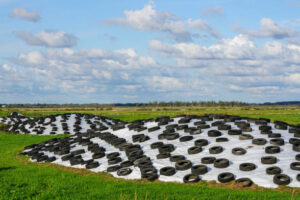
Plastic silage covers are typically made from polyethylene and come in single or multi-layered varieties. These are often black on one side and white on the other to reflect sunlight and minimise heat absorption.
Advantages of Plastic Covers:
- Superior Seal: Plastic covers are known for providing an airtight barrier, which is essential for reducing oxygen infiltration and minimising spoilage.
- UV Protection: Many plastic covers sold in Australia are UV-stabilised, allowing them to withstand the country’s intense sunlight for up to 12 months.
- Widely Available: Plastic covers are commonly stocked by rural supply stores and agricultural suppliers, making them a convenient option for most regions.
Limitations:
- Environmental Concerns: Single-use plastic creates disposal challenges and is less sustainable.
- Puncture-Prone: They can be easily torn by birds, livestock, or machinery if not properly weighted or protected.
Despite their drawbacks, plastic silage covers remain a popular choice due to their excellent sealing properties and relatively lower upfront costs.
The Rise of Woven Silage Covers
Woven silage covers are made from high-density polyethylene or polypropylene fibres that are interlaced to form a tough, durable fabric. These are often used as a top layer over an oxygen barrier film.
Advantages of Woven Covers:
- Extreme Durability: Woven covers are highly resistant to tearing and puncturing, making them ideal for regions with high bird activity or wind.
- Reusable: Unlike plastic covers, many woven options can be used for several seasons, reducing long-term costs and environmental impact.
- Lightweight but Strong: They are easier to handle than some heavier plastic variants, especially on large silage pits.
Limitations:
- Not Fully Airtight: On their own, woven covers do not provide the same oxygen seal as plastic, so they are best used in combination with an airtight inner layer.
- Higher Initial Cost: The upfront investment in woven covers is higher, though it may be offset over time by their reusability.
Farmers in coastal and tropical parts of Australia—where weather extremes like cyclones or persistent humidity can challenge forage preservation—are increasingly turning to woven silage covers for their resilience and long-term savings.
Climate Considerations in Australia
Australia’s agricultural zones span a wide range, from the arid outback to the temperate southeast and the tropical north. Choosing between plastic and woven silage covers should therefore be aligned with local environmental pressures.
- In hot, dry regions such as central New South Wales or Western Australia, UV resistance and puncture durability are crucial. Woven covers may perform better in intense solar radiation and wind conditions.
- In wet, temperate zones such as Tasmania or Victoria, airtight sealing is critical to avoid water ingress and spoilage, giving plastic covers the edge.
- In cyclone-prone northern Queensland, woven covers tied down securely may offer greater storm resistance than lighter plastic alternatives.
Matching the cover to the climate ensures better silage quality and fewer losses during storage.
Cost vs. Value: Long-Term Investment
While plastic silage covers may seem more cost-effective in the short term, their single-use nature and vulnerability to damage can drive up replacement costs. Woven covers, although pricier at the outset, provide value through reusability and reduced labour during application and removal.
For farms with year-round or multiple silage harvests, investing in a combination system—a plastic oxygen barrier film topped with a reusable woven cover—can provide the best of both worlds: airtight protection and long-lasting durability.
Final Verdict: Choose Based on Your Needs
There is no one-size-fits-all answer when it comes to selecting the best silage covers for Australian conditions. Farmers must weigh their environmental conditions, budget, and management practices to make the best choice.
- Use plastic covers if you require a cost-effective, airtight seal and are operating in a wetter or cooler part of Australia.
- Opt for woven covers if you need a robust, reusable solution to withstand harsh sun, wind, or bird activity, particularly in warmer and drier climates.
Ultimately, a hybrid approach using both materials may offer the highest level of forage protection, combining airtight fermentation with mechanical strength.
Choosing the right silage cover is more than just a farm input—it’s a strategic decision that affects feed quality, storage longevity, and overall farm profitability. With the proper knowledge and a location-specific approach, Australian farmers can confidently invest in the silage system that best meets their operational demands.